

Auto accidents hauling debris
Frequent trips with loaded trucks raise the likelihood of collisions, rollovers, and resulting injury and property damage claims.
Try a different word, or check the spelling.
Clearing the site is only part of your job; the load still needs to reach an appropriate disposal or recycling facility. Truck, equipment and pollution protection need to reflect what you actually take away.
The Southern Agency can help you review the materials you accept and the clearing and hauling work you perform.
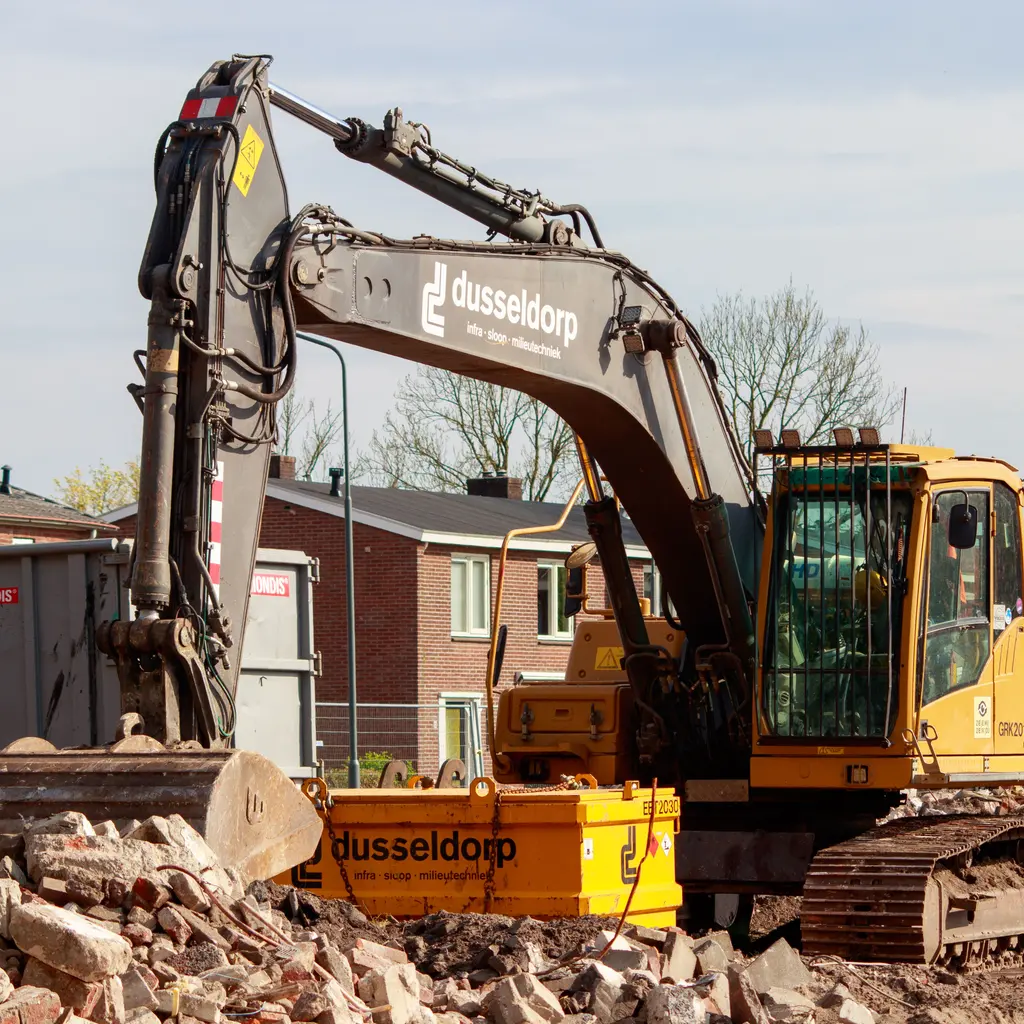
You clear rubble, vegetation, or waste from construction and storm-damaged sites, then haul it to a disposal or recycling facility. Sharp debris can injure your crew, and a shifting load or loader accident can damage property or hurt someone nearby.
The Southern Agency can review your clearing methods, hauling arrangements, and disposal responsibilities to help you select insurance. We can discuss truck liability and equipment protection, with separate attention to pollution claims involving the materials you handle.
Frequent trips with loaded trucks raise the likelihood of collisions, rollovers, and resulting injury and property damage claims.
Improperly secured loads can shed material onto roadways or bystanders, causing injuries and damage during transport.
Storm and demolition debris may contain asbestos, mold, or chemicals that expose crews and trigger disposal liability.
Lifting, grappling, and manual handling of heavy, jagged debris exposes crews to crush, laceration, and strain injuries.
Loaders, grapple trucks, and roll-off containers are valuable and exposed to theft and damage at active and remote sites.
Dumping debris at an unauthorized site or mixing prohibited materials can lead to fines and cleanup obligations.
Heavy equipment maneuvering on customer property can damage pavement, lawns, utilities, or adjacent structures.
Policies to ask about. Which ones fit depends on your operations, your contracts, and the carrier’s forms.
These hypothetical examples are not agency claim results. Whether a loss is covered depends on the facts, policy terms, and applicable exclusions.
Debris shifts and falls from a truck onto a roadway, striking another vehicle. Auto liability may address covered third-party damage. Review any eligible insured load value, roadway removal, and pollution cleanup separately; cargo insurance does not automatically pay the other driver's damage or every removal cost.
A demolition load is found to contain asbestos, triggering cleanup and disposal obligations. Environmental terms may address covered cleanup or liability if asbestos and the actual handling, transport, and disposal operations are included. Review reporting and exclusions; discovery alone does not make all handling or disposal costs an insured loss.
A crew member is injured while clearing storm debris by hand near the loader. Workers' compensation may respond to medical and wage costs depending on policy terms and facts.
Start with the work you do and the questions your current policies leave unanswered. Carrier options depend on your location, risk, and underwriting. Explore our approach.
Auto terms may address covered vehicle liability or selected truck physical damage under actual schedules and use. Review loading, unloading and attached machinery even at a site. The load is a separate property interest; cargo terms require actual material eligibility, ownership, and value rather than automatically insuring every waste load.
Environmental terms may address covered cleanup or third-party liability only if actual contaminants and sorting, handling, transport, and disposal duties are included. Ask explicitly about asbestos and mold alongside GL restrictions, reporting, and disposal-site terms. A policy name does not establish acceptance of every material, prohibited disposal or fine.
Inland marine coverage may cover loaders, grapple attachments, and roll-off containers at job sites and in transit, subject to scheduled values and policy terms.
Many owners and GCs request liability, workers' compensation, and specified endorsements before mobilization. Compare actual limits and additional-insured requests with issued policies and endorsements; a certificate alone does not add rights, and an additional-insured request is not a substitute for employee benefits.
Auto liability may address covered injury or damage to others. Review eligible cargo value, any removal extension and pollution cleanup separately under actual materials, causes and stages. Neither a cargo limit nor a truck schedule establishes payment of all spill costs, fines, or disposal obligations.
Underwriters weigh fleet size, driver records, debris types, payroll, and loss history. Coverage availability depends on underwriting.
Bring your questions, current policies, and relevant contracts. An agent can review coverage terms, exclusions, and the information carriers ask for, then explain the options available to you.