

Slip-and-fall on wet floors
Freshly mopped or buffed floors can remain slippery when occupants return. Cleaning times, warnings, barriers and responsibility for reopening affect the facts of an injury claim.
Try a different word, or check the spelling.
Your cleaning shift may end before the building's occupants return. Coverage for their injuries and damage to client property needs to fit the work you leave behind.
The Southern Agency can help you protect your janitorial business by reviewing your premises risks and contractual bonding needs.
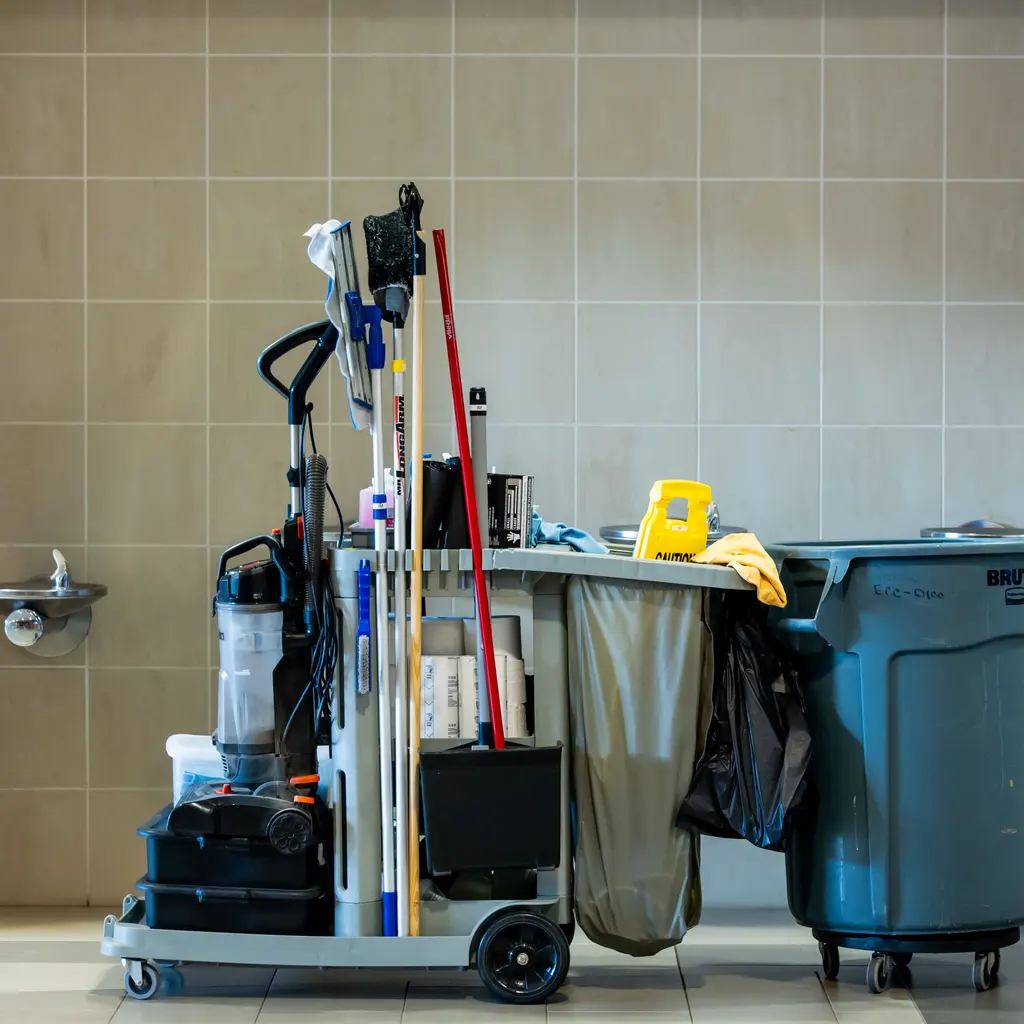
You provide janitorial services and building maintenance, often working after hours with keys or access codes to client spaces. Working around wet surfaces and handling valuable client property can lead to claims involving slips, falls or theft allegations.
The Southern Agency can review your janitorial work, site access and client agreements to help select appropriate insurance. We can compare liability for an occupant's wet-floor injury with employee injuries, accidental damage to property you handle and theft protection that actually includes a client's loss.
Freshly mopped or buffed floors can remain slippery when occupants return. Cleaning times, warnings, barriers and responsibility for reopening affect the facts of an injury claim.
Crews work unsupervised with key access, raising the risk of allegations of theft of or damage to client property.
Cleaning around electronics, furnishings, and finishes can lead to accidental damage during routine service.
Cleaning chemicals, floor buffers, and equipment expose workers to chemical burns, slips, and machine-related injuries.
Access to cash, valuables, and sensitive areas in client buildings creates employee-theft and fidelity exposure.
A client may request particular insurance, additional-insured terms or a bond before granting site access. A theft-protection request is not necessarily the same obligation as a performance bond.
Policies to ask about. Which ones fit depends on your operations, your contracts, and the carrier’s forms.
These hypothetical examples are not agency claim results. Whether a loss is covered depends on the facts, policy terms, and applicable exclusions.
Hypothetical: a client's employee slips on a floor the crew cleaned and alleges injury. GL may address a covered third-party claim. If the injured person is the cleaning firm's employee, workers' compensation is a separate issue. Preserve cleaning times, access restrictions and incident records.
Hypothetical: a client reports missing items after a cleaning shift. Report the allegation under applicable procedures and determine whether an employee caused a covered theft. Review client-property coverage, employee definitions, evidence and reporting requirements; a missing-item complaint does not itself prove an insured crime loss.
Hypothetical: a monitor is knocked off a desk during dusting. Review whether it was property being worked on or held in the crew's control and whether a coverage exception applies. GL is not an unconditional promise to replace every item a cleaner handles.
Start with the work you do and the questions your current policies leave unanswered. Carrier options depend on your location, risk, and underwriting. Explore our approach.
Because crews work unsupervised with key access, theft allegations are a real exposure. Crime coverage may respond to covered employee-dishonesty losses, subject to policy terms.
General liability commonly responds to slip-and-fall claims tied to your work, such as a wet floor, depending on the specific policy and the facts of the claim.
A client may request a bond or particular insurance before granting access. Obtain the actual wording, beneficiary and required obligation. A performance bond, employee-theft protection and liability insurance serve different purposes; the word bonded does not establish every client theft loss is covered.
Review actual employers, duties and work states, including temporary and subcontracted crews. Applicable law and client contracts matter, not crew size alone. Qualifying benefits for your employee's chemical, slip or machine injury are different from liability to a building occupant or another contractor's worker.
General liability may address covered accidental damage to another party's property, but items you clean, hold or control may have restrictions. Identify the item, service and cause and compare any applicable extensions. A monitor dropped while dusting and damage to unrelated surrounding property need not be treated alike.
Underwriters weigh the facilities served, payroll, access held, equipment, and claims history. Coverage availability depends on underwriting and operations.
Bring your questions, current policies, and relevant contracts. An agent can review coverage terms, exclusions, and the information carriers ask for, then explain the options available to you.