

Falls from scaffolding and lifts
Elevated plaster and stucco work exposes crews to falls from scaffolds, lifts and ladders. Actual height, access and shared setup duties differ by project; not every job has the same fall exposure.
Try a different word, or check the spelling.
Your finish depends on the flashing and drainage details around the wall assembly. Liability for later moisture damage needs a closer review than simply insuring the plaster pump and scaffolding.
The Southern Agency can help you review your exterior wall assembly risks and select insurance tailored to your plastering operations.
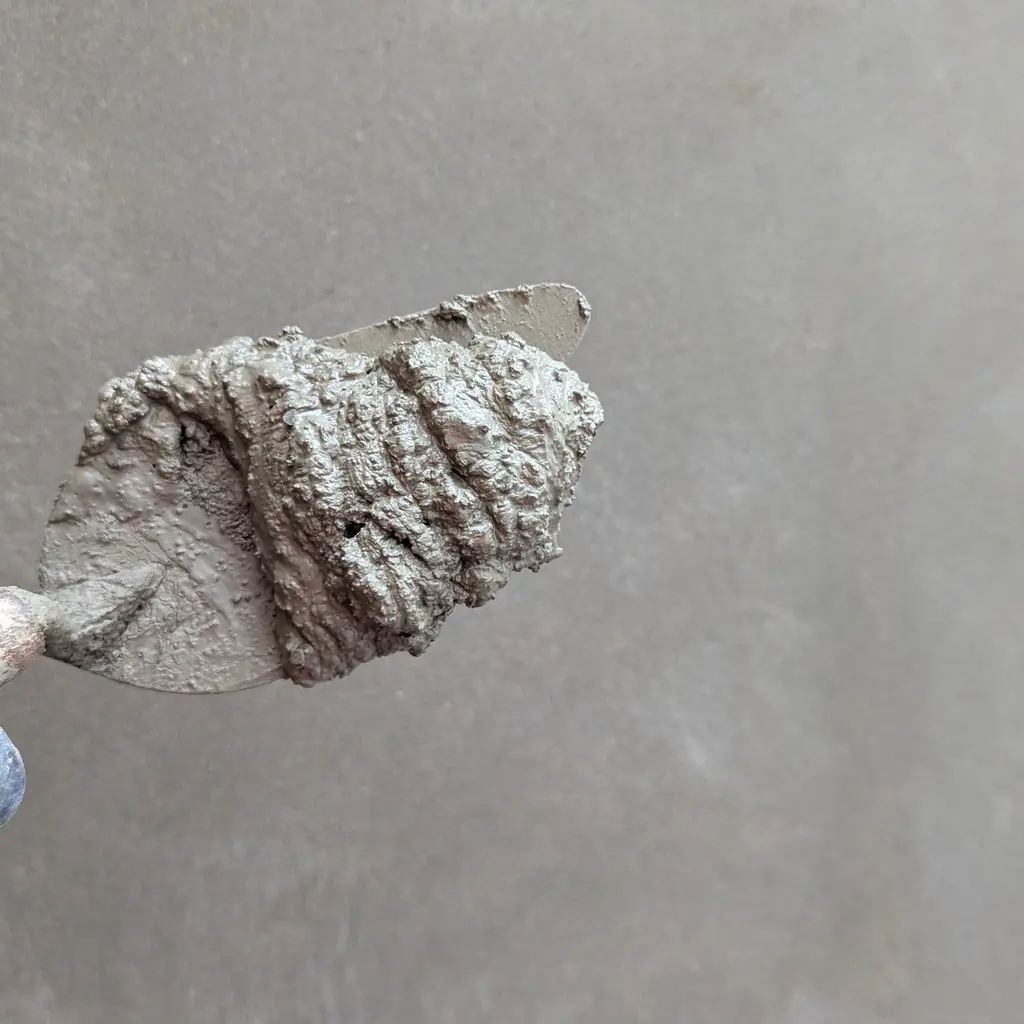
You apply wall finishes using scaffolding, pumps, and mixers on homes and commercial projects. Errors in flashing or drainage can lead to moisture buildup, potentially causing rot or mold issues long after your work is complete.
The Southern Agency can review your exterior assembly methods and equipment to help select appropriate insurance, such as liability for potential moisture-related damage or coverage for your plastering equipment.
Elevated plaster and stucco work exposes crews to falls from scaffolds, lifts and ladders. Actual height, access and shared setup duties differ by project; not every job has the same fall exposure.
Improper flashing or drainage behind exterior stucco or synthetic finishes can trap water, causing rot and mold claims long after completion.
Wet plaster and stucco can splatter onto windows, vehicles, and adjacent property, leading to costly cleanup and damage claims.
Mixing, sanding, and cutting cementitious materials generate dust and silica that pose respiratory hazards to workers.
Buckets, hoppers, and tools used overhead can fall and injure workers or bystanders below the work area.
Mixers, plaster pumps, scaffolding, and hand tools travel between sites and can be damaged or stolen.
Policies to ask about. Which ones fit depends on your operations, your contracts, and the carrier’s forms.
These hypothetical examples are not agency claim results. Whether a loss is covered depends on the facts, policy terms, and applicable exclusions.
Hypothetical: an owner discovers rot behind exterior stucco and alleges faulty flashing. Review actual wall-layer responsibilities, work/damage dates and accepted system, water, mold and completed-work terms. Preserve barrier, penetration and handoff records; later discovery alone does not establish coverage or pay to rebuild every finish.
Hypothetical: pumped stucco splatter settles on neighboring cars. GL may address covered surrounding-property damage under actual accepted work and pollution terms. Record product, affected surfaces and cleanup needs; refinishing the wall or restoring a vehicle requires separate damage evidence.
Hypothetical: an employee falls from a scaffold while applying plaster. Workers' compensation may provide qualifying medical and wage benefits under applicable law. Identify employer and shared scaffold/access duties separately from third-party allegations; insurance does not approve the setup or substitute for fall protection.
Start with the work you do and the questions your current policies leave unanswered. Carrier options depend on your location, risk, and underwriting. Explore our approach.
Investigate actual barrier/flashing/drainage roles, cause and work/damage dates and review accepted traditional/synthetic systems and water/mold/EIFS terms. Separate finish/assembly correction from resulting rot or other harm; later discovery alone does not establish completed-work cover.
General liability commonly responds to third-party property damage such as splatter on windows or vehicles, subject to policy terms and the circumstances.
List actual owned/hired scaffolding, pumps and mixers, values and rental duties and transit/site/theft terms. Separate external damage from internal failure/wear and material stock; scheduling a pump does not insure every cause.
Workers' compensation commonly responds to job-related injuries, including falls. Coverage depends on classifications, state rules, and policy terms.
Identify actual materials and mixing/sanding/cutting tasks and controls and review applicable occupational injury and policy terms. Neither every gypsum task nor every cement product has the same exposure; control records do not establish a discount or claim outcome.
Read actual commercial/multifamily bid and contract terms. Bid, performance and payment obligations differ, subject to surety approval; a bond does not itself insure worker falls, wall damage or every performance promise.
Bring your questions, current policies, and relevant contracts. An agent can review coverage terms, exclusions, and the information carriers ask for, then explain the options available to you.