

Open excavation and attractive nuisance
An unbarricaded pool excavation or partially filled pool can draw children and bystanders, creating serious injury and drowning exposure.
Try a different word, or check the spelling.
A finished pool brings people and electrical equipment close to water. Your construction coverage and completed-work liability need to address different stages of that same project.
The Southern Agency can help you review the risks associated with excavation, concrete, and long-term pool safety.
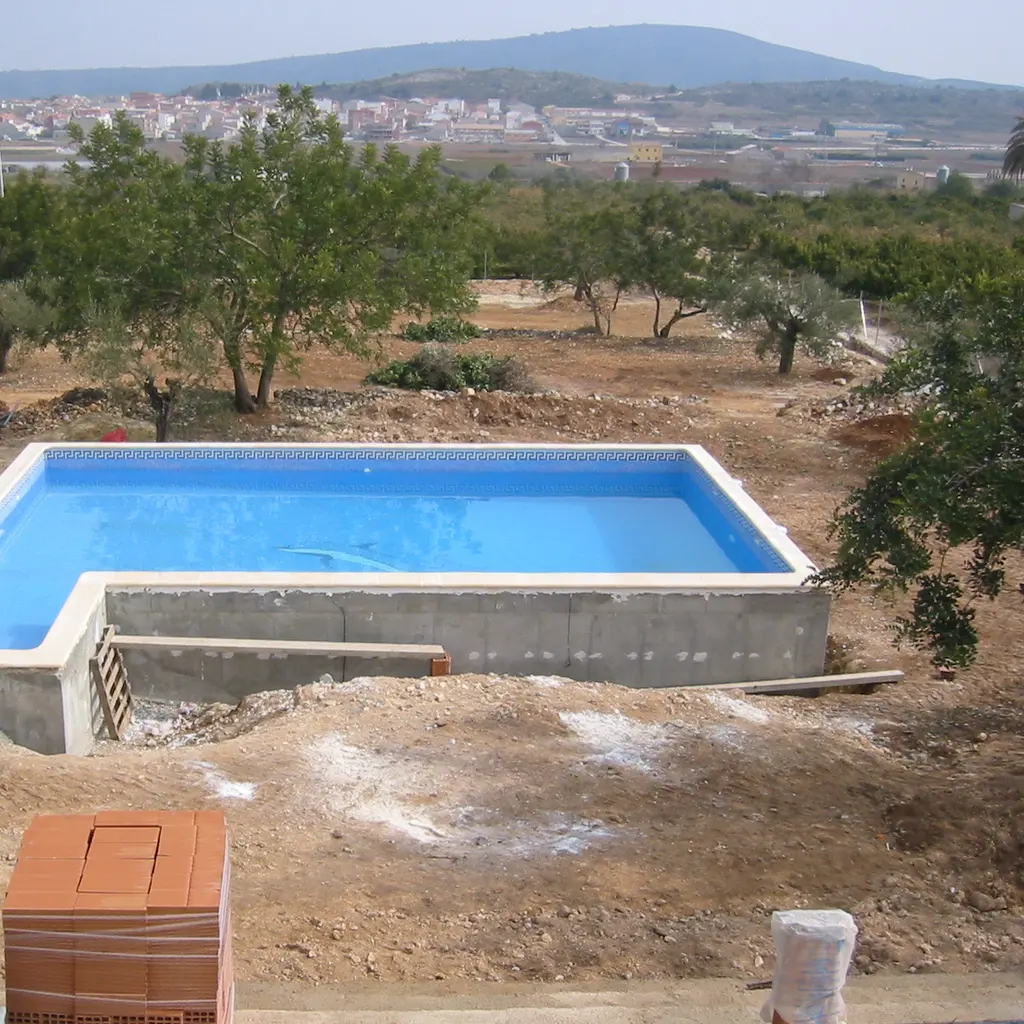
You manage complex pool construction projects involving excavation, concrete, plumbing, and electrical work. Open pits, structural defects, or inadequate safety features can lead to injury claims or property disputes during and after construction.
The Southern Agency can review your site safety and subcontracting processes to help select appropriate insurance, such as coverage for construction site accidents or potential liability for completed pool projects.
An unbarricaded pool excavation or partially filled pool can draw children and bystanders, creating serious injury and drowning exposure.
Faulty bonding, grounding, or wiring around a pool can leave a shock hazard that may surface long after the job is finished.
Cracking, leaks, or settlement in the gunite shell or plumbing lines can cause water loss and costly repairs and disputes.
Digging the pool cavity can strike buried gas, water, or electrical lines or undermine nearby structures.
Drowning, slip, and diving claims involving a finished pool can name the builder over design or safety features.
Excavators, gunite rigs, pumps, and chemicals travel between sites and can be damaged, stolen, or mishandled.
Policies to ask about. Which ones fit depends on your operations, your contracts, and the carrier’s forms.
These hypothetical examples are not agency claim results. Whether a loss is covered depends on the facts, policy terms, and applicable exclusions.
A child wanders into an unbarricaded pool excavation and is injured. General liability may respond to the resulting claim depending on the facts and policy terms.
A bonding defect leaves a completed pool with a shock hazard that injures a swimmer. Products-completed operations may respond, subject to the policy, endorsements, and exclusions.
A new shell develops cracks and leaks, prompting an owner dispute. Coverage for resulting damage depends on the policy, the facts, and applicable exclusions.
Start with the work you do and the questions your current policies leave unanswered. Carrier options depend on your location, risk, and underwriting. Explore our approach.
Identify actual design/trade duties, work and injury/damage dates and pool/completed-work terms. Resulting injury or other damage differs from shell/plumbing repair or a safety/performance warranty; a later allegation alone does not establish fault or payment.
Investigate actual site/barrier/access duties and the injured person's status. Review accepted pool/excavation operations and terms; an unbarricaded pit or child-access allegation does not alone determine fault, GL payment or the response to a worker injury.
Builders risk may help cover the pool and materials during construction against damage before completion. Coverage depends on the policy and project terms.
List actual owned/hired excavators, pumps/gunite gear and values, rental duties and transit/site/theft terms. External damage differs from breakdown/wear and chemicals/materials; scheduling a rig does not insure every cause or interest.
Preserve actual electrical/bonding design, installer, test/inspection, and handoff records. Review accepted pool/electrical and completed-work terms for alleged shock injury separately from correcting the bond; an inspection is not a policy endorsement or proof of no defect.
Workers' compensation commonly responds to job-related injuries during excavation and installation. Coverage depends on classifications, state rules, and policy terms.
Bring your questions, current policies, and relevant contracts. An agent can review coverage terms, exclusions, and the information carriers ask for, then explain the options available to you.