

Workmanship and color disputes
Discoloration, efflorescence, cracking, or uneven stamping can trigger expensive redo work and faulty-workmanship claims from clients.
Try a different word, or check the spelling.
Your finish has to look right and work as a walking surface. Insurance for an injury or damage nearby is not a guarantee of the color or appearance the customer expected.
The Southern Agency can help you consider jobsite injury and chemical risks separately from finish-quality disputes.
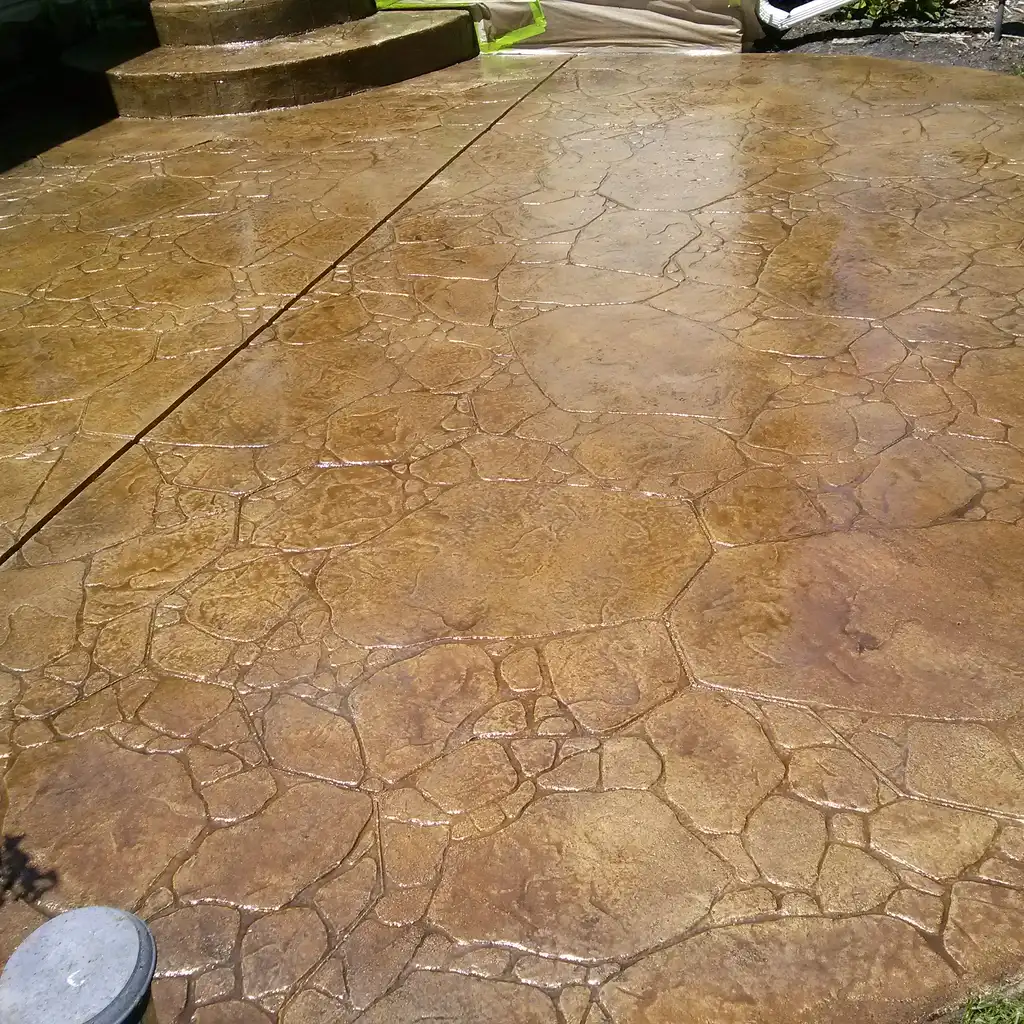
You stamp, stain, polish or seal concrete to create finished patios, driveways and floors. Grinding can release dust, chemicals can affect nearby property, and a slippery surface can lead to an injury claim. A customer unhappy with the color presents a different problem.
The Southern Agency can review your finishing methods and the products you apply to help you choose insurance. We can discuss liability for resulting injury or damage and possible pollution coverage, without treating insurance as a guarantee of the promised appearance.
Discoloration, efflorescence, cracking, or uneven stamping can trigger expensive redo work and faulty-workmanship claims from clients.
Peeling, yellowing or moisture trapped by a sealer can damage the treated surface or require removal and reapplication. Correcting that surface alone differs from a claim for resulting injury or damage to other property.
Actual acid stains, densifiers and solvents determine burn, fume and runoff hazards to crews and surrounding property. Review product and application requirements rather than assume all finishing chemicals have the same profile.
Grinding and polishing concrete releases respirable silica, creating health exposure and regulatory compliance concerns for crews.
Polished or sealed decorative surfaces can be slippery, creating injury claims from clients or visitors after completion.
Stampers, grinders, pigments, and sealers left at job sites are exposed to theft and damage between work days.
Overspray, staining chemicals, or grinding dust can damage adjacent landscaping, siding, vehicles, or interior finishes.
Policies to ask about. Which ones fit depends on your operations, your contracts, and the carrier’s forms.
These hypothetical examples are not agency claim results. Whether a loss is covered depends on the facts, policy terms, and applicable exclusions.
A sealer clouds and peels weeks after a decorative patio is finished, and the client demands a full redo. Completed-operations terms may address covered resulting injury or other-property damage, but correcting the appearance or failed coating alone is a separate cost. Identify any separate harm and review actual workmanship and warranty terms; a late callback does not automatically insure the redo.
Acid stain drifts onto a homeowner's siding and landscaping and causes damage. GL or environmental terms may address covered resulting property damage if the actual products, application and cause are included. Review damage and cleanup separately, with pollution, overspray and work-property restrictions and reporting terms. A pollution policy alone does not establish every overspray payment.
A visitor slips on a newly polished decorative floor and is injured. General liability may respond to the claim, depending on policy terms and the established facts.
Start with the work you do and the questions your current policies leave unanswered. Carrier options depend on your location, risk, and underwriting. Explore our approach.
Completed-operations terms may address covered resulting injury or damage to other property. Correcting a color mismatch, efflorescence, or cloudy or peeling sealer alone is a separate cost, not an appearance warranty payment. Keep samples, approvals, product and application records and identify any separate harm before assuming liability pays for the redo.
Actual acids, stains, sealers and densifiers can raise runoff, overspray or fume questions. Environmental terms may address covered liability or cleanup where operations and contaminants are included. Compare GL restrictions, product and application duties, reporting and disposal terms; a pollution policy does not automatically accept every chemical or silica task.
Underwriters review actual grinding and polishing tasks, exposure periods, and dust or respiratory controls. Workers' compensation may provide qualifying employee benefits under applicable law; third-party injury and cleanup need separate liability or pollution review. A control plan does not by itself confirm coverage, compliance or a premium credit.
General liability may respond to slip-and-fall injuries on finished decorative surfaces, depending on policy terms, exclusions, and the facts of the incident.
Inland marine may help with covered theft or damage to insured grinders, stampers, and polishers at sites or in transit. Check owned and rented equipment, values and security separately from pigments, chemicals and customer stock. Tools coverage does not establish every material interest or pay to correct faulty application.
Provide finishing methods and chemicals, interior and exterior work, annual revenue, job count, crew size and payroll, specialty-tool values, controls, contracts and loss history. The actual submission and underwriting determine eligibility and price, not the decorative label or a promised reduction for one practice.
Bring your questions, current policies, and relevant contracts. An agent can review coverage terms, exclusions, and the information carriers ask for, then explain the options available to you.