

Performance and energy-savings shortfalls
When an installed system fails to deliver promised savings, rebates, or certification, clients may pursue professional-style claims.
Try a different word, or check the spelling.
Your installed system may be one part of a client's certification or rebate application. Professional liability needs to reflect the advice and documentation you undertake, not promise that every incentive will be paid.
The Southern Agency can help you distinguish installation damage from design advice and energy-performance promises.
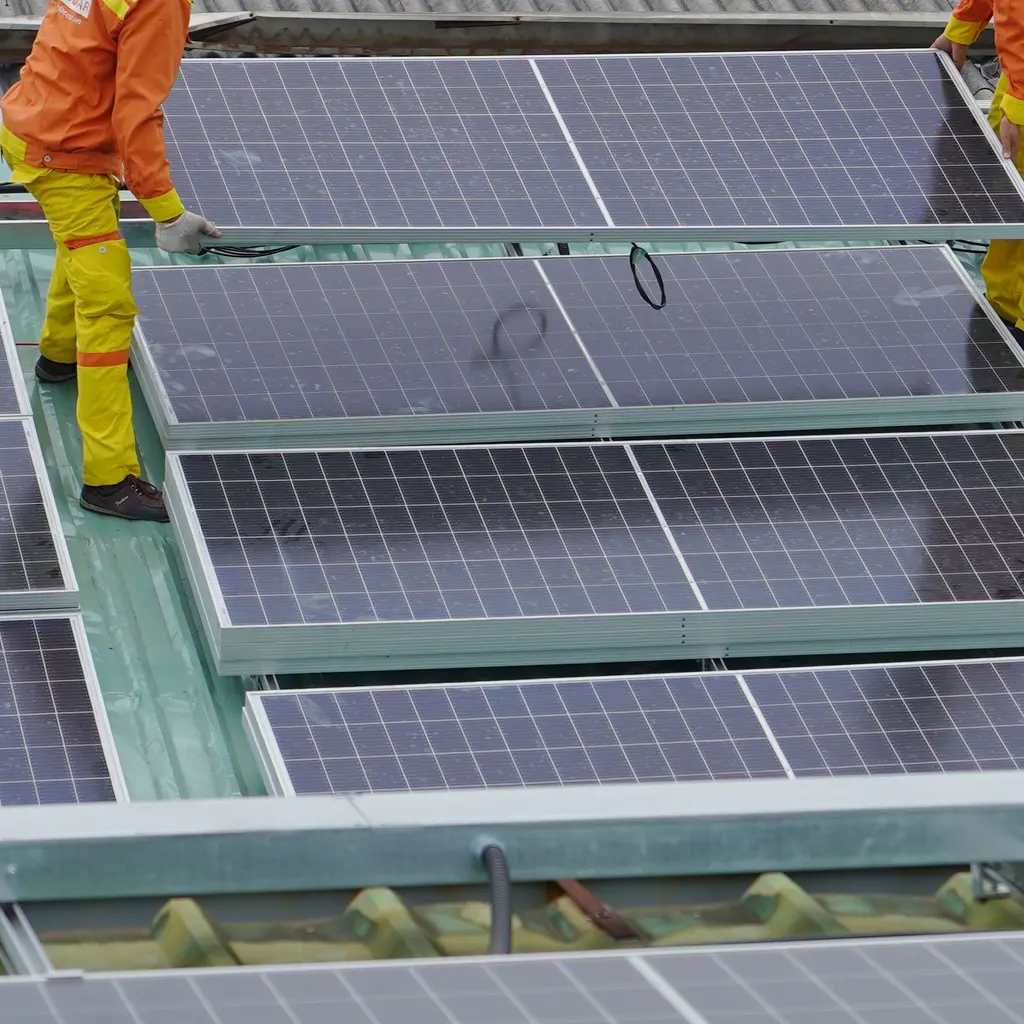
You may fit solar, energy-storage, HVAC or other efficiency systems into a building that remains occupied. Roof penetrations, electrical connections and heavy components can cause injury or damage. Any savings model or certification submission adds responsibilities beyond installing equipment.
The Southern Agency can review the systems you install and advice you provide to help choose insurance. We can compare liability for resulting harm with protection for components and defined professional services, keeping defective-work correction, incentive eligibility and contractual savings promises separate.
When an installed system fails to deliver promised savings, rebates, or certification, clients may pursue professional-style claims.
Mounting solar and equipment on roofs can create leaks and interior water damage if penetrations are not properly sealed.
Solar inverters, wiring, and energy-storage systems carry fire and shock exposure if improperly installed or connected.
Installing arrays and systems at height exposes crews to falls and dropped-object hazards over occupied buildings.
Panels, inverters, batteries, and high-efficiency equipment are costly and exposed to theft and damage in transit and on site.
Missing rebate paperwork or certification requirements can leave clients without expected incentives and create disputes.
A project owner, lender or program may request insurance or a bond. Read the actual requirement, obligation and form; incentive-backed work alone does not establish a universal limit, bond requirement or available terms.
Policies to ask about. Which ones fit depends on your operations, your contracts, and the carrier’s forms.
Ready to compare options?
Get a quote for Green Building Installation Contractor Or call 1-800-777-1TSAThese hypothetical examples are not agency claim results. Whether a loss is covered depends on the facts, policy terms, and applicable exclusions.
Hypothetical: solar mounting penetrations leak and damage a ceiling. GL may address covered resulting damage under accepted roof and system operations. Preserve mounting, sealing, testing and damage records and check water, fungi, work and professional restrictions; correcting penetrations or meeting a warranty is separate from damaged interior finishes.
Hypothetical: savings or certification fall short of a sales promise. Compare advice, model, owner-use assumptions and program submissions with the contract. Alleged negligent services and a performance guarantee are different issues; do not assume E&O pays the shortfall or lost incentive.
Hypothetical: panels and inverters disappear from overnight staging. Check ownership, insured values, included location and stage, theft/security conditions and deductible. Purchase price or a project contract alone does not establish insured interest or coverage.
Start with the work you do and the questions your current policies leave unanswered. Carrier options depend on your location, risk, and underwriting. Explore our approach.
If you model savings, design systems or prepare certification submissions, disclose those services and reporting duties. E&O may address a covered allegation of negligent accepted services under its definitions and exclusions. A sound installation with lower savings, a denied incentive or an unmet performance guarantee is not by itself an insured professional error.
General liability may respond to resulting water damage from a faulty penetration, though outcomes depend on policy terms, endorsements, exclusions, and the facts of the claim.
Inland marine coverage may help protect panels, inverters, and batteries in transit and staged on site, where standard property coverage often falls short, depending on the policy.
Check the actual project agreement and current program terms for any insured parties, limits, endorsements or bond form. The Southern Agency can review those requests against available terms, not promise every requirement can be met. A certificate, project bond or insurance limit does not establish incentive eligibility or guarantee approval.
When systems are installed within new construction or major retrofits, builders risk may be required to protect the project before handover, depending on the contract and operations.
Insurers commonly weigh revenue, system mix, performance guarantees, height and electrical work, equipment values, and loss history. Coverage availability depends on underwriting.
Bring your questions, current policies, and relevant contracts. An agent can review coverage terms, exclusions, and the information carriers ask for, then explain the options available to you.