

Structure collapse during public use
Tents, stages, and grandstands holding crowds can fail from wind, overloading, or anchoring errors, producing multiple injury claims at once.
Try a different word, or check the spelling.
Your stage or tent can go from erection to public use within a short setup window. Coverage for guests and the venue needs attention alongside the reusable equipment moving to the next event.
The Southern Agency can help you align your liability, equipment and crew protection with the concentrated risks of temporary event assembly.
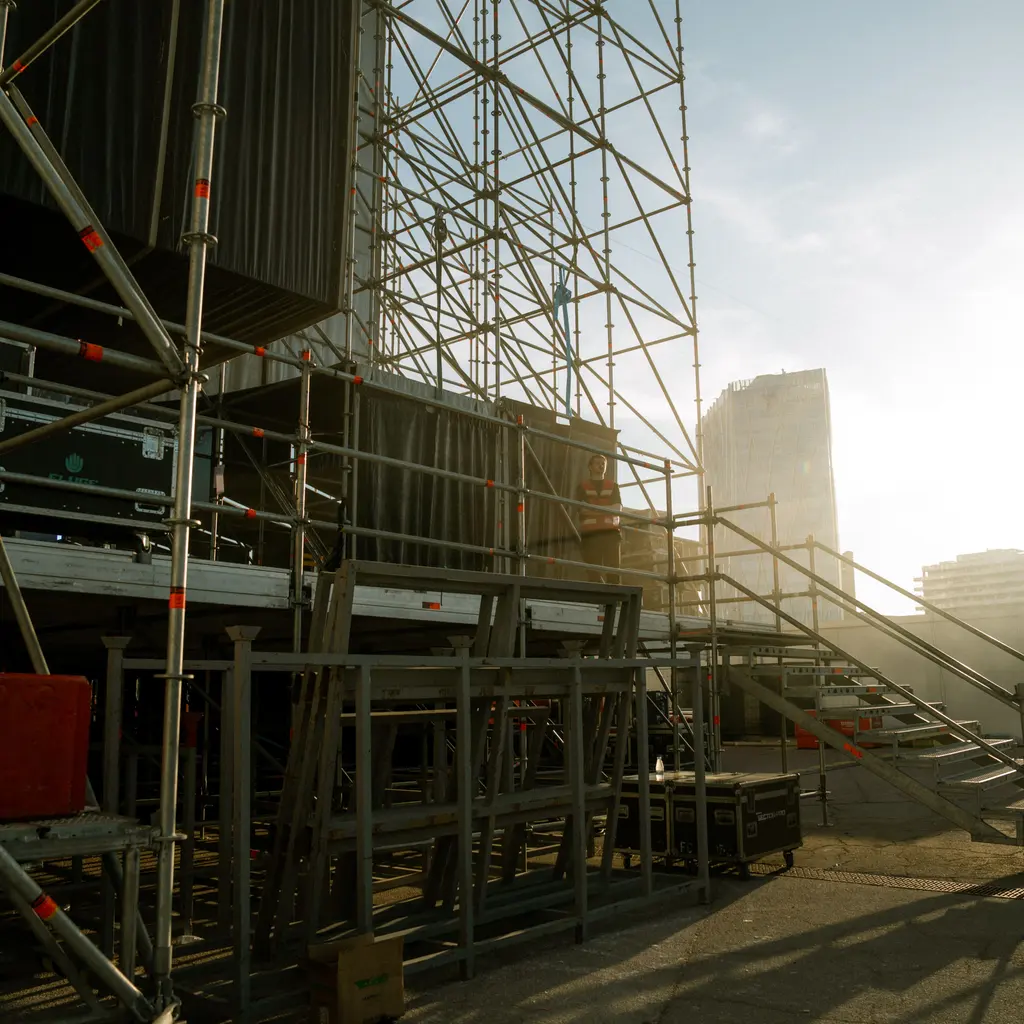
You assemble tents, stages and bleachers under tight deadlines, creating concentrated risks for public crowds who use your structures shortly after erection. A rigging error or extreme weather can lead to collapse, putting numerous people at risk at once.
The Southern Agency can review your setup and teardown procedures to help you select appropriate insurance. For example, we can discuss how inland marine coverage may help protect your tents and rigging in transit, separate from the liability coverage needed for public events.
Tents, stages, and grandstands holding crowds can fail from wind, overloading, or anchoring errors, producing multiple injury claims at once.
Sudden gusts can lift or topple tents and canopies, damaging structures or nearby property and injuring guests.
Assembling scaffolding, stages, and tall tents at height exposes workers to falls and crush injuries during setup and teardown.
Tents, staging, generators, and hardware move constantly between venues, exposing high-value gear to transit damage and theft.
Stakes, anchors, and equipment can damage turf, irrigation, parking lots, or underground lines at rented event grounds.
A venue, organizer or permitting authority may request evidence of coverage and particular insured parties before site access. The required terms vary by event and agreement.
Compressed setup windows before gates open increase the chance of shortcuts that lead to injury or structural failure.
Policies to ask about. Which ones fit depends on your operations, your contracts, and the carrier’s forms.
These hypothetical examples are not agency claim results. Whether a loss is covered depends on the facts, policy terms, and applicable exclusions.
A sudden gust collapses an event tent over guests, leading to injury claims. General liability coverage may respond to medical and liability costs, depending on policy terms and the facts of the incident.
Sections of modular staging and a generator are stolen overnight from a fairground. An inland marine policy may respond to the loss, subject to the specific policy, endorsements, and exclusions.
A crew member falls while dismantling scaffolding after an event. Workers' compensation may help with medical care and lost wages, depending on policy terms and jurisdiction.
Start with the work you do and the questions your current policies leave unanswered. Carrier options depend on your location, risk, and underwriting. Explore our approach.
Because crowds gather on and under these structures, a single failure can injure many people at once. General liability is used to address that concentrated exposure, subject to policy terms.
Check the property description, values and transit, storage, erection and use stages. Tents or staging you own, rent from others or hire out can have different terms. Review weather and theft conditions and rental obligations rather than assuming all inventory is covered wherever it stands.
Obtain the organizer’s, venue’s, and authority’s written requirements before setup, including insured parties, limits and endorsements. A certificate shows evidence but does not create additional-insured rights or guarantee the requested terms are available.
Identify what was damaged and the anchoring or excavation underway. Liability may help with covered damage to others, but rented-site, work-property, custody, and underground terms can matter. Keep utility and venue-condition records; responsibility and payment are not established merely by placing a stake.
Yes. Crews assemble structures at height under deadline pressure, so workers' compensation is commonly required to address fall and crush injuries, depending on jurisdiction.
Separate injury or damage to others from the loss of your own tent or staging. Review weather-related terms under the relevant liability and property policies and who controls weather decisions. A policy does not establish a safe wind threshold or guarantee every storm loss.
Bring your questions, current policies, and relevant contracts. An agent can review coverage terms, exclusions, and the information carriers ask for, then explain the options available to you.