

Dropped or shifting loads
Rigging, hook, or load-handling failures can drop heavy loads onto workers, equipment, or structures with catastrophic results.
Try a different word, or check the spelling.
The load on your hook may belong to someone else even when the crane is yours. Hoisted-load protection deserves its own attention alongside the machine's physical-damage cover.
The Southern Agency can help you compare crane protection with the liability attached to lifting customers' property.
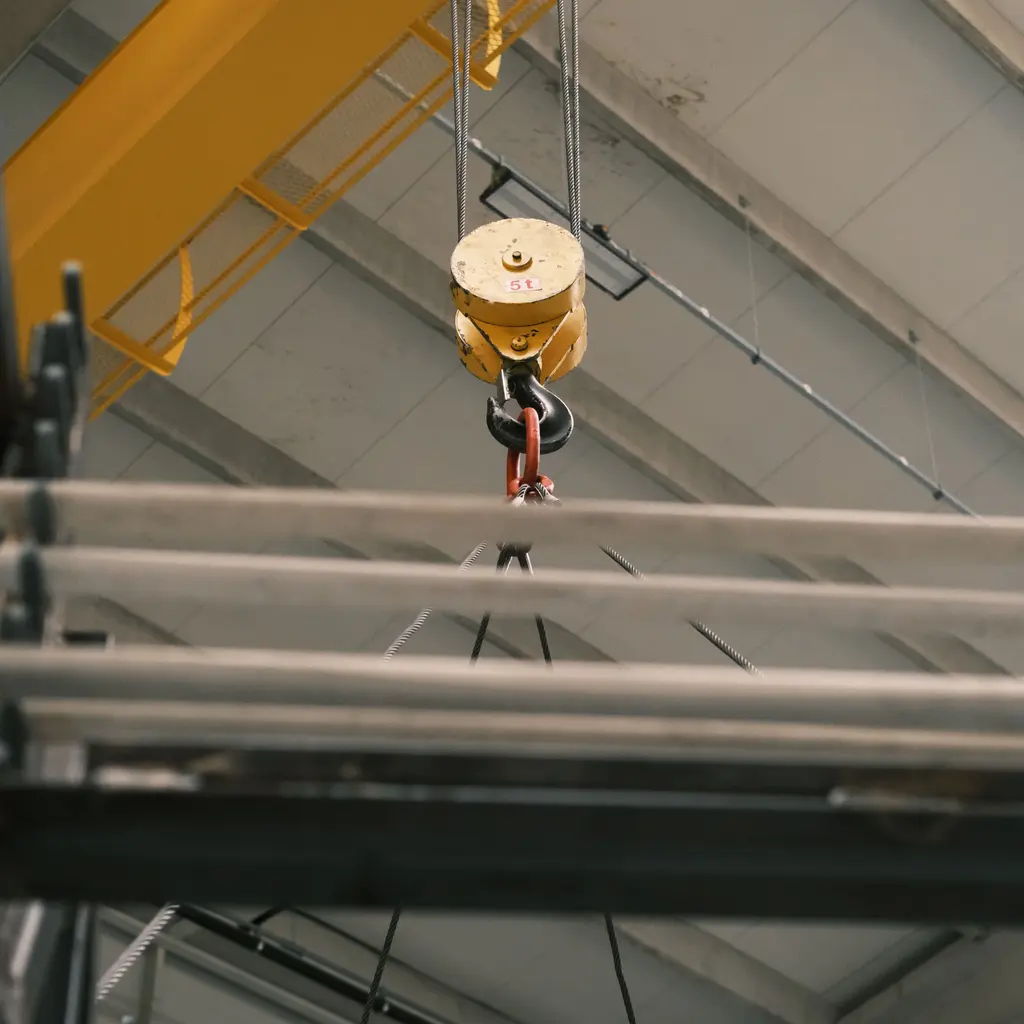
You operate cranes for hoisting heavy materials, where an overloaded machine or power-line contact can result in catastrophic injury and damage to the load. These services involve complex custody arrangements that vary significantly between bare rentals and operated lifts.
The Southern Agency can review your lift plans, rental agreements, and rigging duties to help you choose insurance. We can compare crane property protection with hoisted-load liability and discuss where breakdown or replacement-hire terms may apply.
Rigging, hook, or load-handling failures can drop heavy loads onto workers, equipment, or structures with catastrophic results.
Overloading, soft ground, or improper outrigger setup can cause a crane to overturn, destroying the rig and causing severe injury.
Booms and loads contacting energized lines or structures can electrocute crews and cause widespread damage.
Care, custody, and control of a customer's load means a dropped or struck item can become the contractor's responsibility.
Mobile, crawler and tower cranes have valuable machinery exposed to damage, overturn or internal failure. Driving a unit, hauling it or transporting disassembled sections creates different vehicle and equipment interests; not every crane is a road-going vehicle.
Helpers performing rigging, tag-line, and signaling work face crushing and struck-by hazards near suspended loads.
Policies to ask about. Which ones fit depends on your operations, your contracts, and the carrier’s forms.
These hypothetical examples are not agency claim results. Whether a loss is covered depends on the facts, policy terms, and applicable exclusions.
Hypothetical: rigging fails and a steel beam falls onto a partly built structure. GL and excess may address covered resulting damage under actual lifting, work-property and underlying terms. Identify structure and beam ownership, custody and rigging duties. Load or gear claims need separate review; a limit does not establish every interest is covered.
Hypothetical: an outrigger settles and a mobile crane overturns, damaging the rig and nearby property. Auto or equipment physical-damage terms may address covered crane damage; liability terms may address covered harm to others' property. Review schedules, definitions, ground, setup duties and cause together. A road-going label does not assign every repair or demand to one policy.
Hypothetical: a customer's HVAC unit is struck while being hoisted to a roof. Riggers/on-hook terms may address covered load damage under the actual custody period, liability basis, valuation and limit. Compare rigging, loading, setting and temporary storage stages; ordinary crane property cover does not establish protection for the customer's unit or delay demand.
Start with the work you do and the questions your current policies leave unanswered. Carrier options depend on your location, risk, and underwriting. Explore our approach.
Discuss possible operating and road liability, qualifying employee benefits, crane physical damage, customer-load or riggers liability, eligible internal repairs and excess limits together. Actual crane types, services, rental duties, load values, definitions, and contracts determine acceptance and terms; the product names are not one automatic package.
Not automatically. Review riggers/on-hook coverage for the actual load, custody period, movement, valuation, liability basis, and limit. Ordinary equipment coverage and GL custody exclusions leave different questions; ask whether transit, storage and loss of use are included.
Compare lift severity, contract requirements, scheduled underlying policies, attachment and exclusions. Confirm any riggers/on-hook coverage is actually followed; excess over GL is not automatically excess over every customer-load exposure.
Identify who selects and maintains the crane and who supplies the operator, rigging, signalers, ground assessment, and lift plan. A bare-rental agreement may allocate duties to a renter, but does not by itself eliminate the owner's liability or establish coverage. Review the contract and policies together.
Review each crane's transport method and the actual auto/equipment schedules. A crane driving on public roads, a crawler hauled on a trailer, and a disassembled tower crane in transit can involve different insured property, vehicle and liability provisions.
Breakdown terms may help with covered repairs if the actual mobile or tower machine and internal failure qualify. Establish cause and review schedules and wear or maintenance restrictions. Replacement hire, lost use, income and customer delay demands each need separate terms; a scheduled crane or an insured repair does not establish all stopped-lift costs.
Bring your questions, current policies, and relevant contracts. An agent can review coverage terms, exclusions, and the information carriers ask for, then explain the options available to you.