

Uncontrolled or partial collapse
Structures can fail unpredictably during teardown, extending damage to adjacent buildings and endangering crews and the public.
Try a different word, or check the spelling.
When you remove part of a building, the rest and its neighbors still need protection. Your accepted demolition methods and any abatement duties need to fit the liability coverage.
The Southern Agency can help you review demolition methods and separate equipment, liability, and pollution needs.
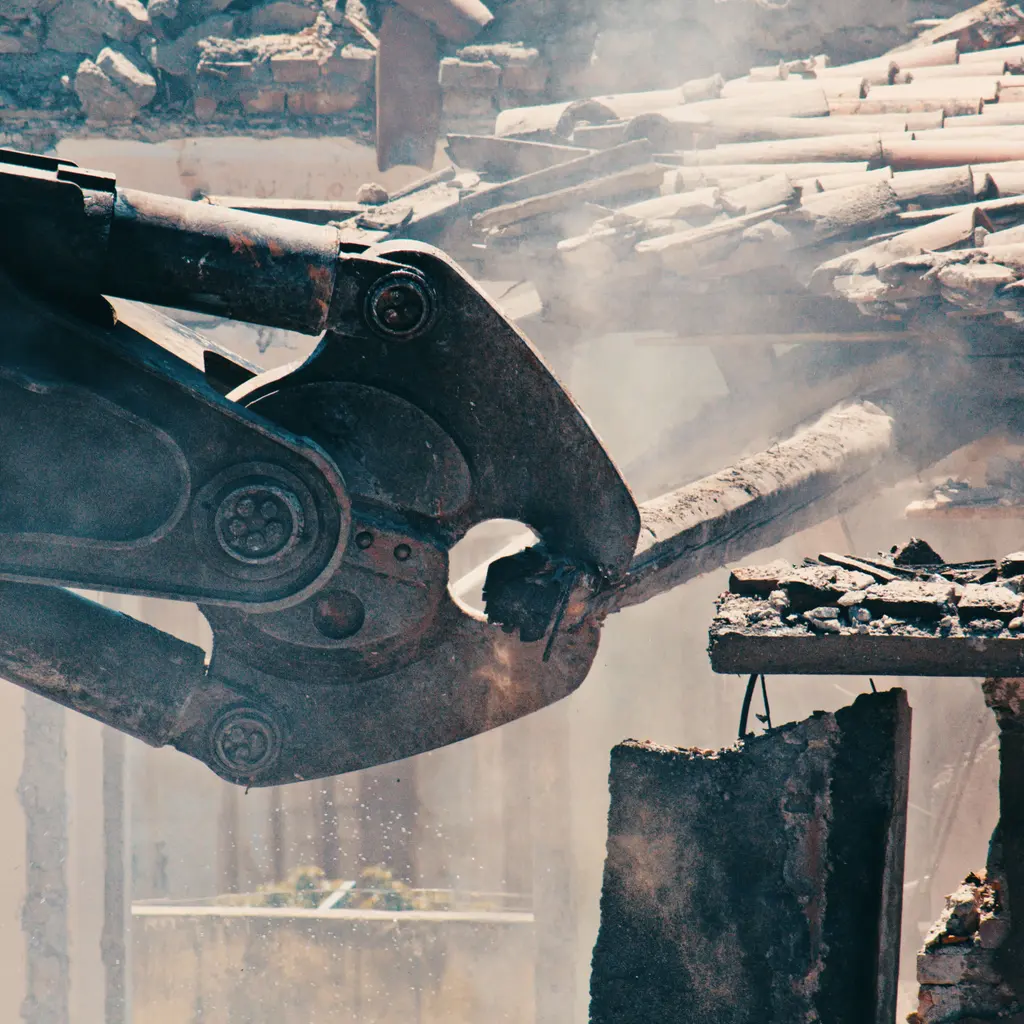
You dismantle buildings or sections of structures and clear the resulting debris. An uncontrolled collapse or falling material can damage neighboring property, while machinery, dust and hidden hazardous materials can put your crew and others at risk.
The Southern Agency can review your teardown methods, working heights and any abatement duties to help you select insurance. We can discuss liability for adjacent-property damage alongside equipment and pollution protection, with the proposed policy checked against the work you actually accept.
Structures can fail unpredictably during teardown, extending damage to adjacent buildings and endangering crews and the public.
Vibration, falling debris, and ground movement can crack foundations, break windows, and harm neighboring structures.
Older buildings may contain asbestos, lead, or mold that create pollution liability and regulatory exposure when demolished.
Excavators, shears, and high-reach machines can overturn or strike workers, causing severe crush and impact injuries.
Tearing into structures without confirmed disconnects can rupture gas, electric, or water lines, causing fires and outages.
Demolition generates heavy dust and flying debris near streets, raising third-party injury and nuisance exposures.
A demolition agreement or applicable public-work rule may require specified liability limits or bonds. Review the actual removal and site-clearance obligations, timing, and separate surety approval; larger limits do not establish acceptance of every demolition method.
Policies to ask about. Which ones fit depends on your operations, your contracts, and the carrier’s forms.
These hypothetical examples are not agency claim results. Whether a loss is covered depends on the facts, policy terms, and applicable exclusions.
Hypothetical: teardown vibration cracks a neighboring foundation. GL may address covered resulting third-party damage under actual demolition terms. Review accepted methods and vibration, collapse, subsidence and professional-service restrictions. Preserve baseline surveys, sequence plans and monitoring; general construction acceptance does not establish coverage for every demolition operation or repair.
Hypothetical: demolition disturbs asbestos and prompts cleanup and regulatory action. Environmental terms may address covered cleanup or liability if asbestos and the actual demolition or abatement operation are included. Review reporting and prior-condition terms; penalties and correcting pre-existing conditions do not automatically follow from a covered release claim.
Hypothetical: a high-reach excavator overturns, injuring its operator and damaging the machine. Workers' compensation may provide qualifying employee benefits; equipment terms may address covered machine repair. Identify employer, ownership, insured values, cause and rental obligations separately. One liability or equipment policy does not automatically cover the whole incident.
Start with the work you do and the questions your current policies leave unanswered. Carrier options depend on your location, risk, and underwriting. Explore our approach.
General liability may respond to adjacent-property damage from vibration or debris, depending on policy terms, exclusions, and the facts of the incident.
Environmental terms may address covered liability or cleanup if the actual contaminants, demolition, and abatement operations are included. Ask explicitly about asbestos and lead, hauling, disposal, prior conditions, and reporting and compare GL restrictions. A pollution policy name does not establish acceptance or payment of every cleanup order, penalty or pre-existing-condition cost.
Collapse, adjacent-property, and public-injury claims can be severe, and owners may request primary and excess limits. Compare actual requests with accepted methods, scheduled underlying policies, attachment, and exclusions. More limits do not remove collapse, vibration, subsidence or pollution restrictions, add missing additional-insured rights or establish availability.
Check the actual demolition agreement and applicable public-work rules for required performance or payment bonds, timing, and obligee. Review the specified removal, site-clearance and payment obligations, surety approval and capacity, and any indemnity requiring contractor reimbursement. Bonding is separate from insurance for adjacent-property damage, employee injuries or an asbestos release. Neither a public or large-private project label nor this guide establishes that a particular bond is required or can be arranged.
Inland marine coverage may cover excavators, shears, and attachments at demolition sites and in transit, subject to scheduled values and policy terms.
Underwriters weigh structure types, proximity to others, hazardous materials, equipment values, payroll, and loss history. Coverage availability depends on underwriting.
Bring your questions, current policies, and relevant contracts. An agent can review coverage terms, exclusions, and the information carriers ask for, then explain the options available to you.