

Falls from stilts, scaffolds, and lifts
Working overhead to hang ceilings and high walls exposes crews to falls and serious injury during installation.
Try a different word, or check the spelling.
A seam can look different once the wall is painted. Your insurance needs to distinguish a finish callback from damage to another trade's work or an injury during installation.
The Southern Agency can help you select insurance that covers your wallboard hanging and finishing activities.
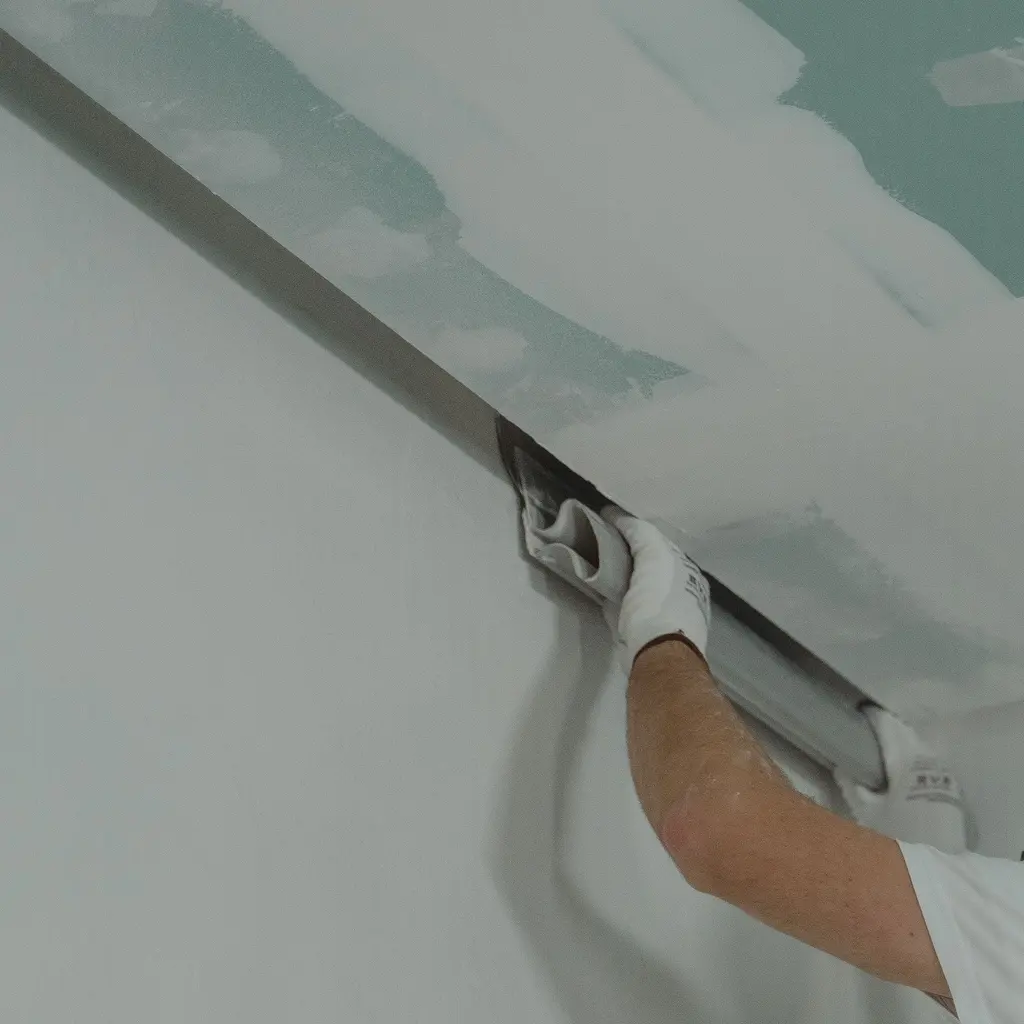
You hang and finish gypsum board, often working at heights or in spaces where dust and debris can impact other trades. Falls, material-handling injuries, or accidental damage to surfaces can create significant liabilities for your business.
The Southern Agency can review your installation and finishing work to help you select appropriate insurance. For example, we can help you evaluate how liability coverage for property damage works alongside workers' compensation for your finishing crews.
Working overhead to hang ceilings and high walls exposes crews to falls and serious injury during installation.
Maneuvering large, heavy wallboard panels overhead leads to back, shoulder, and crush injuries among installers.
Sanding joint compound produces fine dust that raises respiratory concerns and can damage nearby finishes and systems.
Working inside buildings risks scratching floors, denting fixtures, and disrupting completed work by other trades.
Cracking, nail pops, and visible seams after painting can trigger costly callbacks and rework claims.
Lifts, stilts, sanders, and hand tools are exposed to theft and damage on job sites and in transit.
Policies to ask about. Which ones fit depends on your operations, your contracts, and the carrier’s forms.
These hypothetical examples are not agency claim results. Whether a loss is covered depends on the facts, policy terms, and applicable exclusions.
Hypothetical: an installer falls from stilts while finishing a high ceiling. Workers' compensation may provide qualifying benefits under actual employment and applicable law. Confirm direct/subcontract roles and access methods; employee benefits do not certify the stilt setup or insure damaged tools.
Hypothetical: compound dust reaches newly installed flooring and damage is alleged. GL may address covered resulting harm under actual work-property and dust/pollution terms. Establish what was damaged and why repair is needed; routine cleanup, a nuisance complaint and correcting your finish are different demands.
Hypothetical: a panel lift and sanders are stolen from a site overnight. Equipment terms may address covered theft under actual owned/hired interests, values and storage/security conditions. Wallboard stock, rental obligations and lost shifts are not automatically part of the equipment payment.
Start with the work you do and the questions your current policies leave unanswered. Carrier options depend on your location, risk, and underwriting. Explore our approach.
Liability insurance may help with injury and damage claims, workers' compensation with qualifying crew injuries, and equipment insurance with lost lifts and tools. Delivery vehicles need their own protection. Choose the coverage around the crew's overhead work and project types rather than a standard trade package.
Damage to another trade’s flooring or fixtures may raise a liability claim, but identify the item being worked on and any separate surrounding damage. Check how the policy treats property in your care or being worked on, and review dust exclusions or extensions. Another contractor’s ownership does not by itself establish coverage.
Inland marine coverage may help protect lifts, sanders, and hand tools against theft and damage on site and in transit. Coverage depends on scheduled values and endorsements.
Give the ceiling and wall heights, access methods, panel-handling tasks, crew roles, and prior injury history. Explain how stilts, scaffolds and lifts are used so the insurer can assess the work. Keep access-method safety decisions separate from the insurance review.
A GC may request certificates and additional-insured protection before work begins. Obtain the ongoing or completed-operations and waiver requirements, then compare the endorsements. A certificate or subcontract alone does not create the requested insured rights.
Cracked joints, nail pops and visible seams may require correction without any injury or separate property damage. Distinguish that finish work from resulting harm, then review workmanship and completed-operations terms and relevant dates. A callback or acceptance dispute alone is not proof of an insured loss.
Bring your questions, current policies, and relevant contracts. An agent can review coverage terms, exclusions, and the information carriers ask for, then explain the options available to you.