

Falls from height
Ladders, lifts, ropes, and suspended platforms expose crews to severe or fatal falls. Access, anchorage, training, and rescue responsibilities need review for the methods used.
Try a different word, or check the spelling.
The lift you rent and the tools your crew owns may need different property protection. Your insurance also has to fit the actual access method and the people and property beneath the work.
The Southern Agency can help you compare worker benefits, liability and equipment terms with the heights and access methods you actually use.
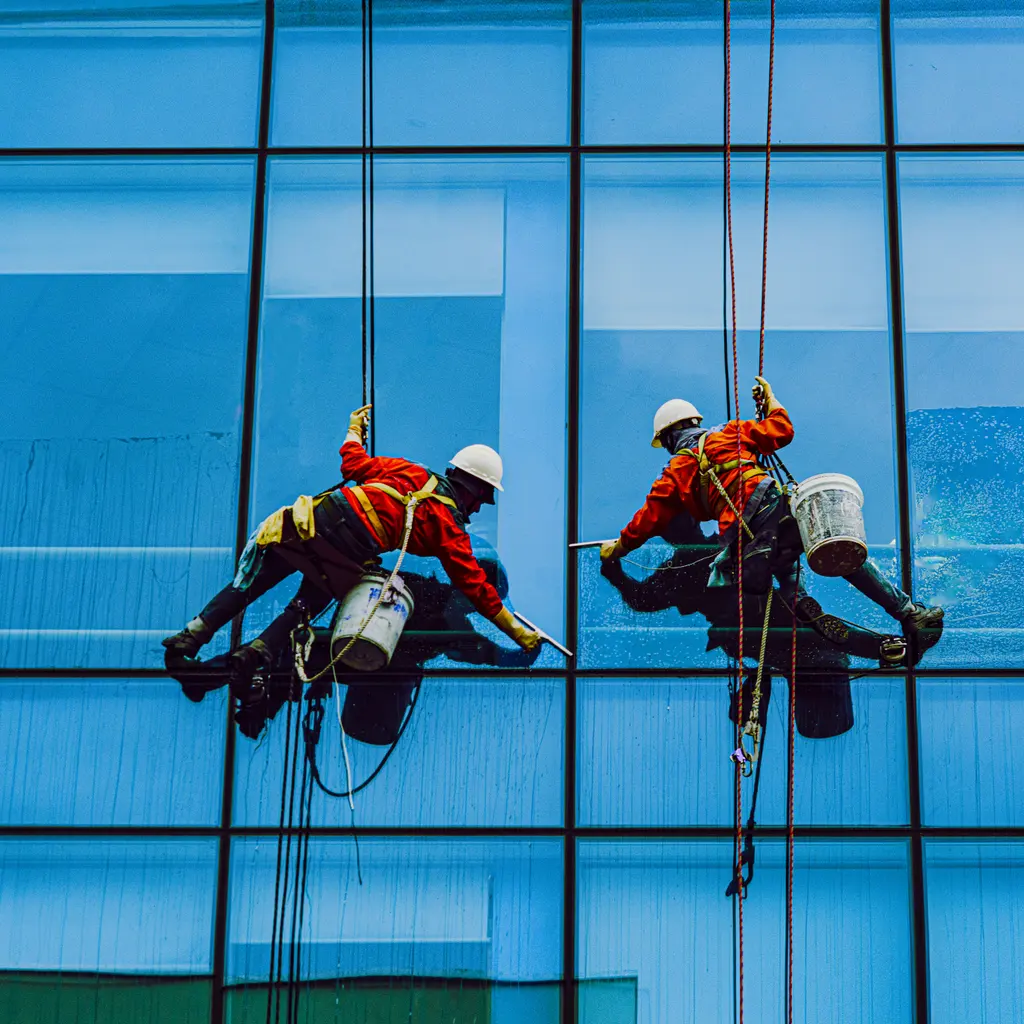
You clean windows at height using ladders, lifts, or rope-access gear, which creates risks of falling or dropping tools onto pedestrians below. A misplaced squeegee or chemical runoff can damage customer property, while your crews work in environments where one slip could lead to severe injury.
The Southern Agency can review your access methods and high-rise operations to help you select appropriate insurance, such as general liability for premises damage or workers' compensation for fall-related injuries. For instance, we can discuss how your equipment coverage applies to rented lifts versus the tools your crew owns.
Ladders, lifts, ropes, and suspended platforms expose crews to severe or fatal falls. Access, anchorage, training, and rescue responsibilities need review for the methods used.
Squeegees, buckets, and tools dropped from elevation can injure pedestrians or damage vehicles, signage, and storefronts below.
Runoff and cleaning solutions can stain facades, seep into building interiors, or harm landscaping at the customer's property.
Improper technique or debris on the blade can scratch glass, and indoor work can damage furnishings, floors, and displays.
Suspended platforms, bosun's chairs, and anchor points create specialized exposure if rigging or attachment points fail.
Crews are often granted access to occupied buildings, creating responsibility for security and damage while on the premises.
Poles, lifts, ladders, and supplies moved constantly between accounts can be damaged, lost, or stolen from vehicles and sites.
Policies to ask about. Which ones fit depends on your operations, your contracts, and the carrier’s forms.
These hypothetical examples are not agency claim results. Whether a loss is covered depends on the facts, policy terms, and applicable exclusions.
Hypothetical: a bucket slips from a lift and strikes a pedestrian. GL may address covered third-party injury under the accepted height and access operation. Record sidewalk protection and control duties; a storefront policy or higher limit does not automatically include every lift, rope or platform account.
Hypothetical: an employee falls while cleaning second-story windows. Workers' compensation may provide qualifying benefits under actual employment and applicable law. Describe access and employer/subcontract roles; benefits are separate from rented gear and do not approve the ladder, anchorage or rescue setup.
Hypothetical: cleaning runoff passes a frame and damages a retail display. GL may address covered resulting damage under actual chemicals, runoff and work-property terms. Identify the pane being cleaned and affected interior items; scratched glass, display restoration and routine cleaning are not the same interest.
Start with the work you do and the questions your current policies leave unanswered. Carrier options depend on your location, risk, and underwriting. Explore our approach.
Disclose maximum heights and each access method, including work subcontracted to others. Compare policy operations and height restrictions before taking a different kind of account. A policy for storefront work or a large limit does not establish coverage for rope descent or suspended-platform jobs.
General liability may respond to bodily injury or property damage from dropped equipment, depending on policy terms and the facts of the incident.
Identify damaged displays, finishes or other property separately from the pane or surface being cleaned. Review chemical and runoff terms and restrictions on property in your care or being cleaned, including any extensions. A customer’s ownership or cleaning invoice alone does not establish coverage for every scratch or water-damage demand.
Workers' compensation is commonly required for employees and is especially relevant given fall exposure. Requirements vary by state and the work performed.
Describe the system rather than treat ropes, powered platforms and lifts as interchangeable. Where OSHA’s rope-descent rule applies, obtain the owner’s written anchorage information and address training, inspection, and rescue duties. Separately confirm the policy’s height and operation terms; safety documentation does not itself establish insurance coverage.
A property manager or owner may request limits, certificates, and endorsements. Provide the scope, heights and access methods with the contract for review before agreeing to it. A certificate cannot broaden the policy, and this guide does not promise that the requested terms can be provided.
Bring your questions, current policies, and relevant contracts. An agent can review coverage terms, exclusions, and the information carriers ask for, then explain the options available to you.