

Falls during erection and dismantling
Crews assembling and removing scaffold at height face serious falls as platforms, access and protections change with the erection or dismantling stage.
Try a different word, or check the spelling.
Other crews will use your scaffold after erection, and may alter or load it during the job. Liability depends on the responsibilities you retain, while the reusable stock still needs its own protection.
The Southern Agency can help you manage the liability of designing, assembling, and inspecting scaffolding for other contractors.
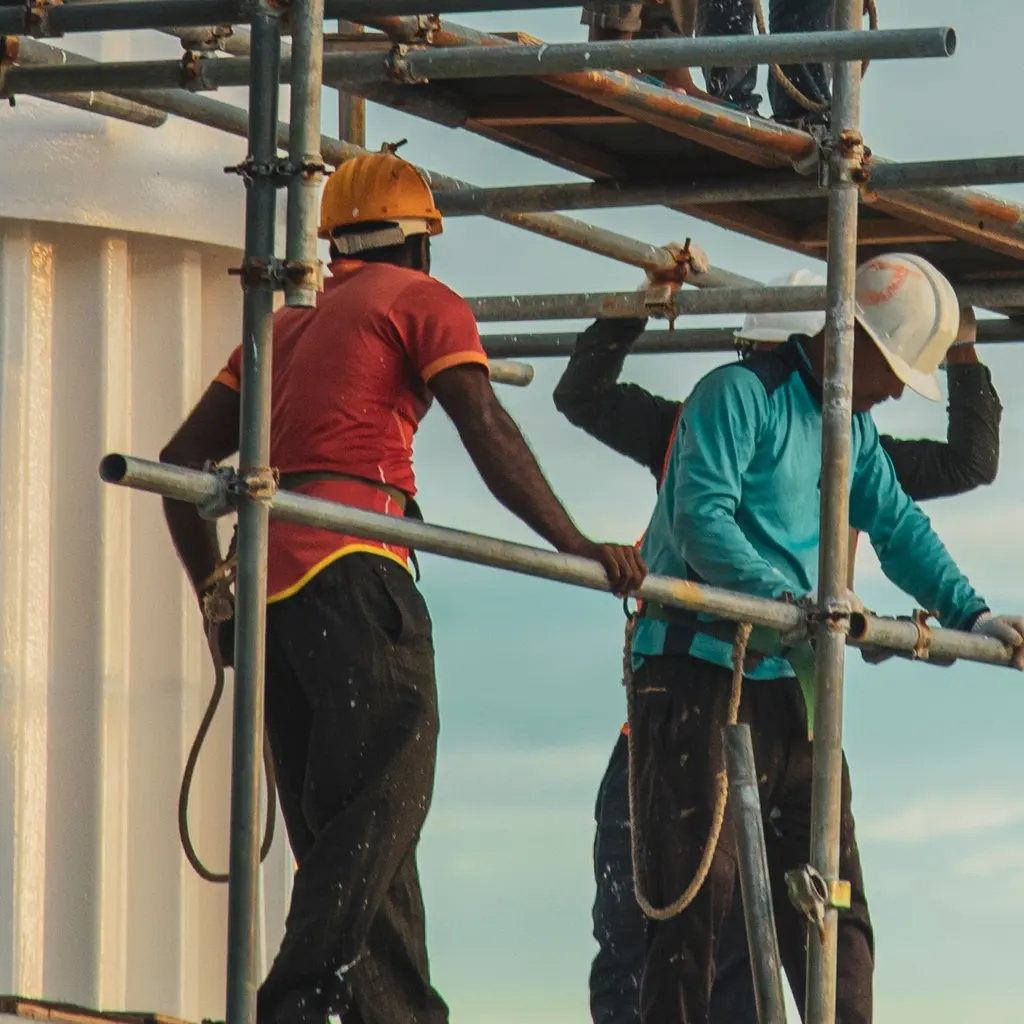
You erect temporary systems that other trades use while their work changes around them, then return to dismantle reusable components. A collapse or dropped plank can injure people outside your crew. Responsibility during use depends on who inspects, maintains, alters and loads the scaffold, not simply whether erection has finished.
The Southern Agency can review your scaffold design and assembly procedures to help select appropriate insurance. We can discuss how your coverage addresses the long-term liability of erected structures, as well as the protection of your large, reusable stock of scaffold components.
Crews assembling and removing scaffold at height face serious falls as platforms, access and protections change with the erection or dismantling stage.
A defect in bracing, tie-ins, or load rating can cause collapse, injuring workers who relied on the structure.
Planks, clamps, and tools falling from height can injure other workers or the public on adjacent walkways.
Lifting and positioning heavy steel and aluminum frames exposes crews to strain, crush, and pinch injuries.
A failure can lead to injury claims after erection/handoff. Actual inspection, maintenance, alteration, and use duties matter; a crew leaving does not alone establish completed operations or end responsibility.
Large stocks of reusable frames, planks, and hardware spread across sites can be damaged, lost, or stolen.
General contractors often require specific limits, certificates, and sometimes bonds before scaffold work begins.
Policies to ask about. Which ones fit depends on your operations, your contracts, and the carrier’s forms.
Ready to compare options?
Get a quote for Scaffold Erection and Dismantling Contractor Or call 1-800-777-1TSAThese hypothetical examples are not agency claim results. Whether a loss is covered depends on the facts, policy terms, and applicable exclusions.
Hypothetical: a worker falls while dismantling upper scaffold sections. Workers' compensation may provide qualifying benefits under actual employment duties and state law. Identify direct, temporary and subcontract employers; insurance review does not certify the access or dismantling sequence.
Hypothetical: scaffold collapses beneath another contractor's painting crew. GL may address covered third-party injury under accepted operations and actual ongoing/completed terms. Preserve handoff, inspections, load and alteration records; use by another trade or departure of the erection crew does not alone establish completion or fault.
Hypothetical: a plank falls onto a public sidewalk and injures a pedestrian. GL may address covered third-party harm under actual erection, use or dismantling duties. Record who controlled the component, walkway and work stage; injury liability is different from replacing scaffold stock.
Start with the work you do and the questions your current policies leave unanswered. Carrier options depend on your location, risk, and underwriting. Explore our approach.
Other trades and the public depend on scaffolding holding. A collapse or dropped component can injure people who never worked for you, making liability coverage central, subject to policy terms.
Not simply because the erection crew leaves. Establish completion/use, continuing inspection/maintenance, modifications and contractual duties, damage/injury dates and policy terms. Ongoing and completed operations and any design/inspection services need the facts and accepted scope.
Inventory frames/planks/hardware by ownership/hire, value, and yard/transit/erected stages. Check collapse, theft, valuation, wear, and missing-stock conditions; liability to an injured user is not the same as replacing scaffold components.
Bring the GC agreement, insured parties, ongoing/completed endorsements, limits, and any bond request. Certificates do not supply rights, and requested wording or capacity is not automatically available for every height/system or service.
Most states require it for employees, and scaffold work carries significant fall exposure. Requirements vary by state, so confirmation depends on where your crews operate.
Review the specific request and whether it concerns bid, performance, payment, or another obligation, with the named obligee and conditions. Approval is separate from liability insurance; neither a bond nor a certificate automatically pays every collapse, injury, or replacement demand.
Bring your questions, current policies, and relevant contracts. An agent can review coverage terms, exclusions, and the information carriers ask for, then explain the options available to you.