

Falls from ladders and roof edges
Ladder and roof-edge access can cause serious fall injuries. Describe working heights, access methods, and safety procedures when reviewing employee injury coverage.
Try a different word, or check the spelling.
Where your downspout sends the water matters beyond the roof edge. Liability for resulting damage deserves attention as well as protection for crews working at height and equipment traveling between homes.
The Southern Agency can help you review your installation and service risks to select appropriate coverage.
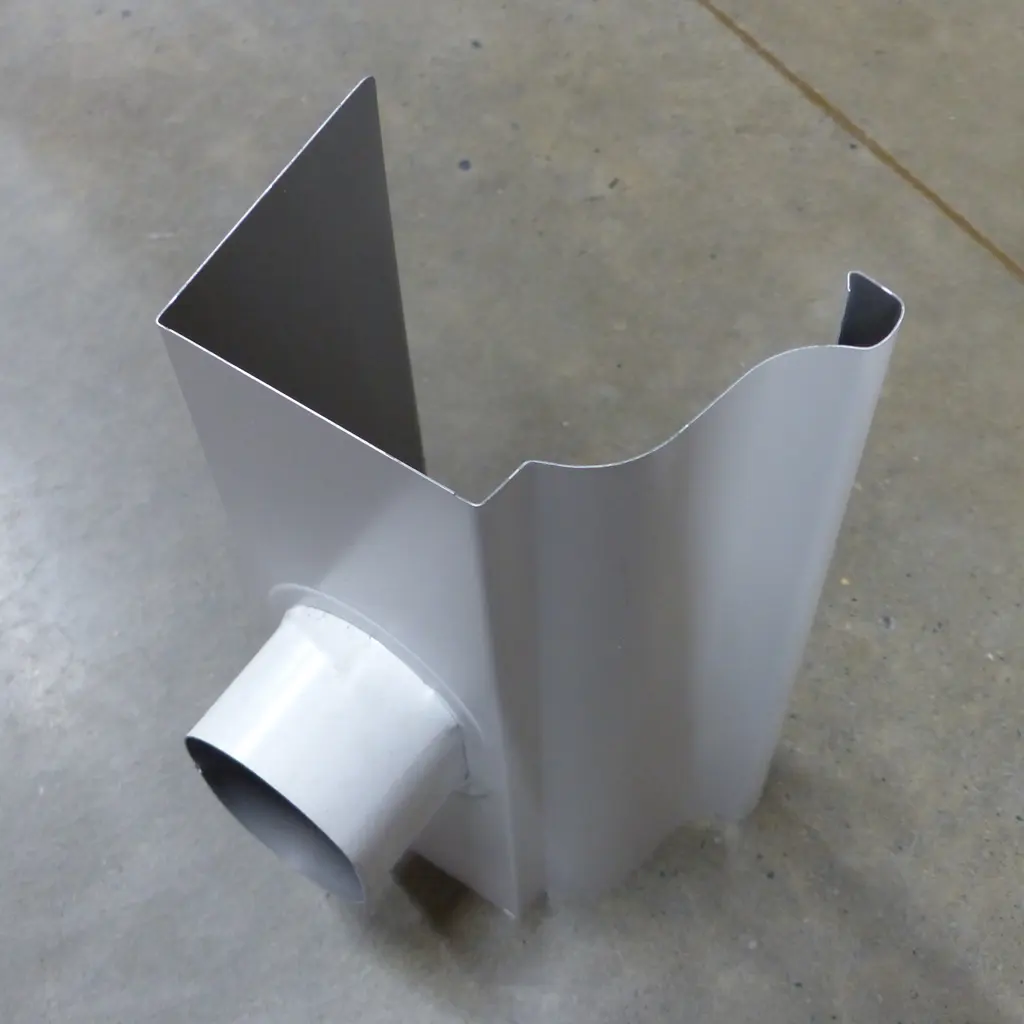
You provide gutter and downspout installation, repair, and cleaning services that require working at roof-edge heights. Dropped tools or installation issues can lead to claims involving customer property damage or injuries.
The Southern Agency can review the full scope of your services and shop operations to help select appropriate insurance. For instance, we can discuss liability protections for accidental property damage while confirming your coverage for mobile equipment and tools used at various job sites.
Ladder and roof-edge access can cause serious fall injuries. Describe working heights, access methods, and safety procedures when reviewing employee injury coverage.
Materials and tools dropped from height can injure people or damage vehicles, landscaping, and property below.
Fastening gutters into the roof edge can crack trim, dent siding, or damage roofing if a slip or misstep occurs.
Improperly pitched gutters or misdirected downspouts can route water against a foundation, causing damage and complaints.
Trucks and trailers loaded with ladders and gutter stock travel between jobs daily, facing accident and damage risk.
Ladders, fasteners, and gutter coil carried to each job are exposed to theft and damage away from a fixed location.
Maneuvering ladders around landscaping, vehicles, and finished exteriors risks accidental damage during installation.
Policies to ask about. Which ones fit depends on your operations, your contracts, and the carrier’s forms.
These hypothetical examples are not agency claim results. Whether a loss is covered depends on the facts, policy terms, and applicable exclusions.
Hypothetical: An employee falls while setting a gutter run. Workers' compensation may provide medical and wage benefits under the policy and applicable law. Whether an owner or independent subcontractor has that protection needs separate review.
Hypothetical: A fastener cracks the fascia the crew is working on and a falling tool also damages a parked car. The fascia repair and damage to the car need separate general liability analysis. Damage-to-work exclusions can affect the fascia claim even when damage to other property is covered.
Hypothetical: Ladders and a brake machine are stolen from a parked work truck overnight. Equipment coverage may address covered theft, subject to insured values, the deductible, and vehicle-storage or theft conditions. Coverage for the truck itself does not establish coverage for its contents.
Start with the work you do and the questions your current policies leave unanswered. Carrier options depend on your location, risk, and underwriting. Explore our approach.
Review falls and material handling for employees, dropped-object damage to others, and later water-damage allegations. Separate employee benefits from third-party liability. Working heights, access methods, and actual services matter more than the trade name on the application.
General liability may address covered property damage, but damage to the fascia or roof section being worked on can be excluded. Describe exactly what was damaged and what the crew was doing. A customer invoice alone does not establish a covered claim.
Equipment coverage may address covered theft or damage away from the shop. Include ladders, brakes, tools, and any seamless machine at appropriate values. Check transit, job-site storage, and overnight vehicle terms.
Separate the cost of repitching or replacing your gutters from resulting damage to other property. Completed-operations coverage may address a covered resulting-damage claim, but exclusions, policy wording, and state law control. A warranty to fix the installation is not proof of insurance.
Ask whether the insurer accepts your services, heights, and job mix. An eligible BOP may combine liability and shop property, but confirm off-site tools and materials, vehicles, and employee injury coverage separately.
Provide consistent revenue, payroll, crew count, subcontractor costs, building heights, vehicle, and equipment values, and claims history. Check deductibles, covered services, and exclusions with each quote. No rate or acceptance can be established from those factors alone.
Bring your questions, current policies, and relevant contracts. An agent can review coverage terms, exclusions, and the information carriers ask for, then explain the options available to you.