

Tanker accidents and rollovers
Tanker collisions or rollovers can cause injury, property damage, and fuel releases on or near the roadway.
Try a different word, or check the spelling.
Your delivery is not finished when the tanker reaches the customer: the fuel still has to enter the right tank. Liability for a misdelivery or release is different from protection for the diesel being hauled.
The Southern Agency can help you compare tanker, fuel-stock and release exposures across loading, delivery and yard storage.
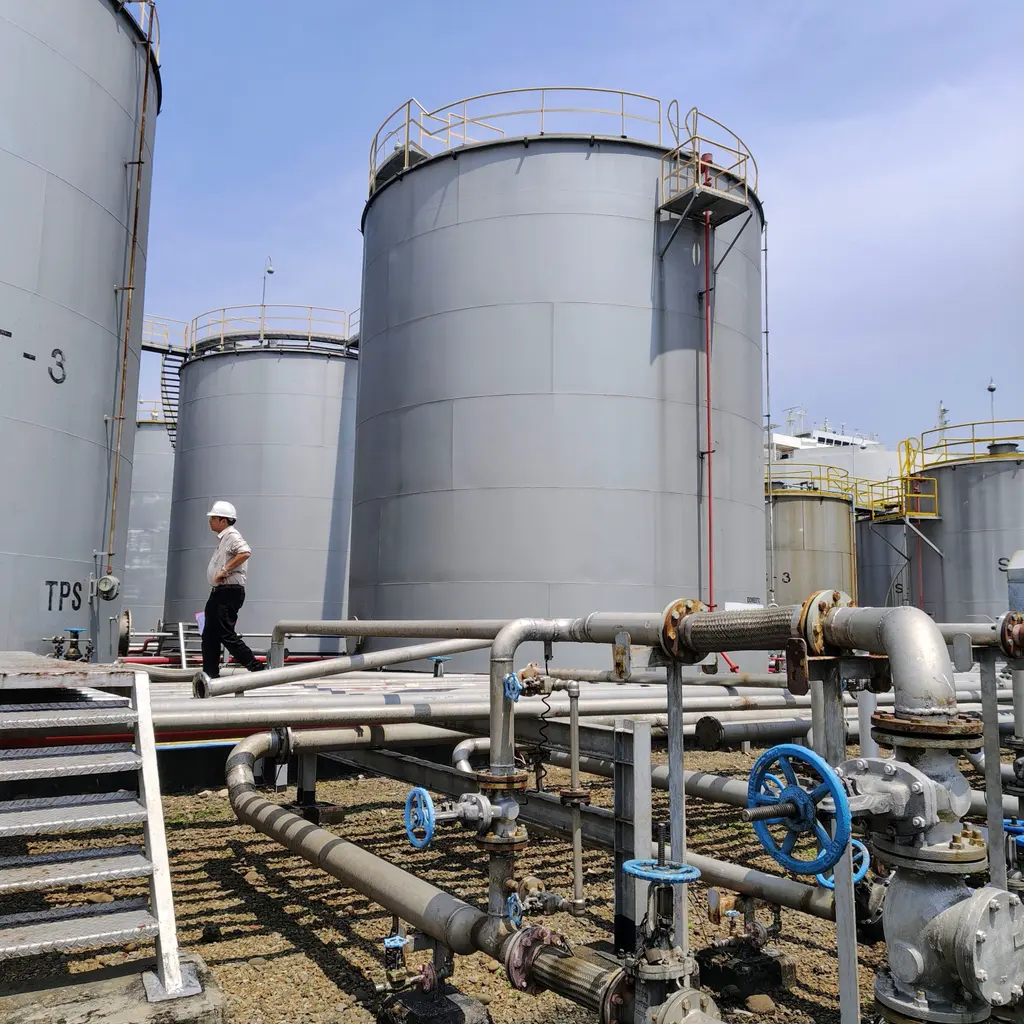
Your business delivers fuel by tanker and maintains bulk storage at your yard. A traffic accident during delivery or an overfill at a customer's site can lead to both cargo loss and extensive environmental cleanup obligations.
The Southern Agency can review who pays for loss of the load and who handles each haul, transfer and storage operation. We can compare vehicle, stock or cargo and pollution terms with those actual duties, instead of assuming one fleet limit covers a whole fuel-delivery loss.
Tanker collisions or rollovers can cause injury, property damage, and fuel releases on or near the roadway.
Overfills or hose failures while delivering into customer tanks can release fuel onto third-party property and trigger cleanup obligations.
Product being hauled can be lost to an accident, theft, or contamination before it reaches the customer, creating cargo exposure.
Storage tanks, loading racks, and pumps at the yard carry fire and spill risk that can interrupt the entire delivery operation.
Drivers connecting hoses, climbing tankers, and working at loading racks face slip, fall, and exposure injuries.
Delivering the wrong grade or filling the wrong tank can damage customer equipment and lead to liability disputes.
Policies to ask about. Which ones fit depends on your operations, your contracts, and the carrier’s forms.
These hypothetical examples are not agency claim results. Whether a loss is covered depends on the facts, policy terms, and applicable exclusions.
A loaded tanker rolls on a rural road and releases fuel, creating containment and cleanup costs. Environmental liability or applicable auto pollution terms may pay covered spill costs. Auto liability concerns covered third-party injury or property-damage claims; this scenario does not establish an injured person. Truck repairs need physical-damage terms; payment for the lost load depends on the applicable fuel-stock or cargo protection.
A delivery overfills a customer's storage tank and releases diesel onto the ground, creating cleanup costs. Environmental liability may pay covered remediation and pollution claims if the offsite transfer and release fit. Supplier and customer duties, the cause and reporting matter; the customer's tank is not automatically the supplier's insured property, and a cleanup obligation does not establish payment for every sanction.
A driver fills a tank with the wrong product and damages the customer's equipment, creating repair costs and a damages claim. GL product or completed-operations terms may pay covered defense and resulting property damages. The timing of delivery and use, auto and pollution exclusions, and actual damage matter. Replacing the load, correcting the delivery, recalling fuel and customer delay charges require separate treatment.
Start with the work you do and the questions your current policies leave unanswered. Carrier options depend on your location, risk, and underwriting. Explore our approach.
Auto liability may pay covered third-party vehicle claims; truck physical damage concerns the truck itself. Cargo or applicable fuel-stock terms concern the load, while environmental liability may pay covered release costs. GL addresses different covered premises and product claims, property protects insured terminal assets, workers compensation concerns eligible employee benefits and excess can add liability limits. Fuel ownership, hauling, storage, and transfer duties determine which interests need insuring.
An accident alone is not enough. A tanker load of diesel and the fuel used to run the truck are different pollution interests. Auto exclusions, cleanup definitions, loading and unloading, and any required related injury or damage matter. Environmental liability or applicable auto pollution terms may pay covered costs, but the actual cargo release and activity must fit. Neither a vehicle liability limit nor a cleanup order proves payment.
Cargo may pay covered loss or damage to the load, separately from repairing the truck or paying injury claims. Identify whether you own the diesel or carry it for another party and whether the form insures that interest and commodity. Theft, contamination, loading and unloading, valuation, and peak loads need applicable terms. Replacing a rejected load and paying for damaged customer equipment are separate questions. Any cargo removal-expense terms must fit the actual spill and costs.
An overfill or hose failure can create cleanup duties and claims, but responsibility depends on the event, contract, supplier and customer roles, and applicable law. Environmental liability may pay covered pollution costs. GL or auto concerns different covered injury or property claims, with vehicle-use, transfer, custody, and pollution terms checked. The customer's property location does not by itself settle liability or which policy pays.
Provide tanker and bobtail numbers and sizes, annual gallons and route territory, driver experience and records, bulk storage capacity, spill-prevention and transfer controls, cargo limits, and prior losses. Ownership, employers, and hauling duties also help describe the risk. These facts support an individual assessment; a price, available limits, and current market availability still need to be established.
A customer agreement may set auto, liability, or other limits and request endorsed insured parties or waivers. Use the actual contract rather than assume one standard applies to every fleet. Compare duties, indemnities, limits, and endorsements with the policies; a certificate or higher limit does not itself insure every delivery promise or add excluded pollution.
Bring your questions, current policies, and relevant contracts. An agent can review coverage terms, exclusions, and the information carriers ask for, then explain the options available to you.