

Tank damage spreads
Lightning, hot work or a process fault can damage a tank and adjacent infrastructure.
Try a different word, or check the spelling.
Customers can store product in your tanks without owning the tanks themselves. Custody protection for their volume and quality needs to be distinguished from property insurance on the terminal.
Talk with The Southern Agency about your terminal assets, customers' stored products and responsibilities at receipt and dispatch.
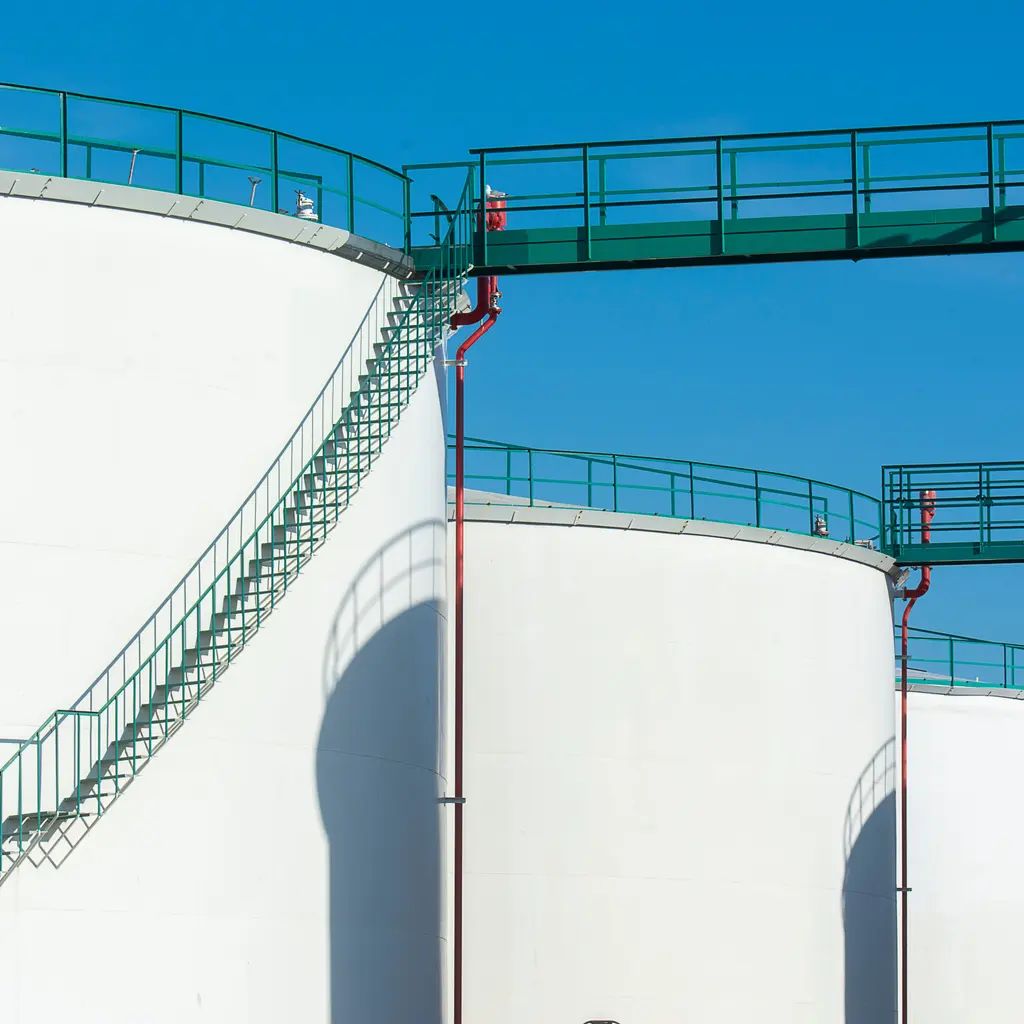
You manage terminals that receive, store and dispatch petroleum products for multiple customers. An overfill or tank fire can cause environmental damage and lead to complex disputes regarding the stored product.
The Southern Agency can review your tanks, transfer operations and duties for customers' stored products. We can help compare terminal property, release response and liability terms, keeping ownership and custody interests distinct.
Lightning, hot work or a process fault can damage a tank and adjacent infrastructure.
Overfills, manifold errors, or failed containment can send product into soil and drainage.
Lost volume or contamination can create custody liabilities distinct from own-property repairs.
Truck movements, elevated racks, and transfer pumps expose employees and visiting drivers to injury.
Policies to ask about. Which ones fit depends on your operations, your contracts, and the carrier’s forms.
These hypothetical examples are not agency claim results. Whether a loss is covered depends on the facts, policy terms, and applicable exclusions.
Fire at a floating-roof seal damages tank components and adjacent equipment. Property may help pay covered repairs to included terminal assets, with cause, values and settlement terms checked. Owned stock, customer product, cleanup and interrupted earnings need their applicable interests and grants; insuring the tank structure does not establish every one of those payments.
A receipt overfills a tank and petroleum escapes containment into surrounding soil. Environmental terms may help with covered investigation, cleanup and third-party claims if the product, site and transfer duties fit. Check earlier conditions, discovery and reporting. Lost customer product, failed equipment and a delay promise are separate from covered remediation, and this soil release does not prove groundwater impact.
A visiting driver falls at the loading rack and alleges an unsafe terminal condition. The driver's actual employer and duties determine relevant worker-benefit arrangements. If the terminal faces a covered injury claim, GL may help defend and pay damages, with insured parties, contract and employer-related terms checked. The fall does not itself establish fault or damage to the truck or its load.
Start with the work you do and the questions your current policies leave unanswered. Carrier options depend on your location, risk, and underwriting. Explore our approach.
Stored products and connected tanks, racks and machinery can concentrate fire, release and interruption exposure. Actual products, construction, shared assets, surrounding property and custody interests determine the site's concerns. Review those facts rather than ranking every terminal alike or assuming the tank structure and all fuel in it share one policy grant.
Environmental terms may help pay covered investigation, response, cleanup and third-party pollution claims for included terminal products, locations and transfer work. Prior conditions, release and discovery dates, reporting and emergency provisions matter. Cleanup, lost stock, failed tank or pump repair and fines are different costs, not automatically one spill payment.
Not simply because they are on site. A covered claim alleging terminal negligence can involve GL, while a driver's benefits depend on the actual employer and applicable arrangements. Vehicle and load damage have their own interests and terms. Establish the duty, harm and parties rather than treating carrier, driver and fuel as terminal-owned property.
Property may pay covered external damage to included assets; breakdown may address a qualifying internal machinery failure. Identify owners, values, cause and any shared dependencies. Wear, maintenance or a measurement error alone is not a breakdown grant, and interrupted earnings require applicable income, waiting and restoration terms.
Start with who owned the product, when custody changed, actual measurement and quality records and the alleged loss. Direct protection for customers' stock and liability for damaging it are different interests. Compare suitable existing or proposed terms with those duties; GL alone does not establish payment for a volume discrepancy, replacement product, a quality guarantee or delay penalty.
Bring your questions, current policies, and relevant contracts. An agent can review coverage terms, exclusions, and the information carriers ask for, then explain the options available to you.