

Terminal fire and bulk storage loss
Large volumes of combustible product in bulk tanks and at loading racks create severe fire and explosion exposure at the terminal.
Try a different word, or check the spelling.
Your inventory records do more than track the next delivery: they may be needed to establish a fuel-theft loss. Crime protection, cargo coverage, and terminal property insurance should not be treated as interchangeable.
The Southern Agency can help you evaluate your distribution chain and terminal risks to select appropriate insurance.
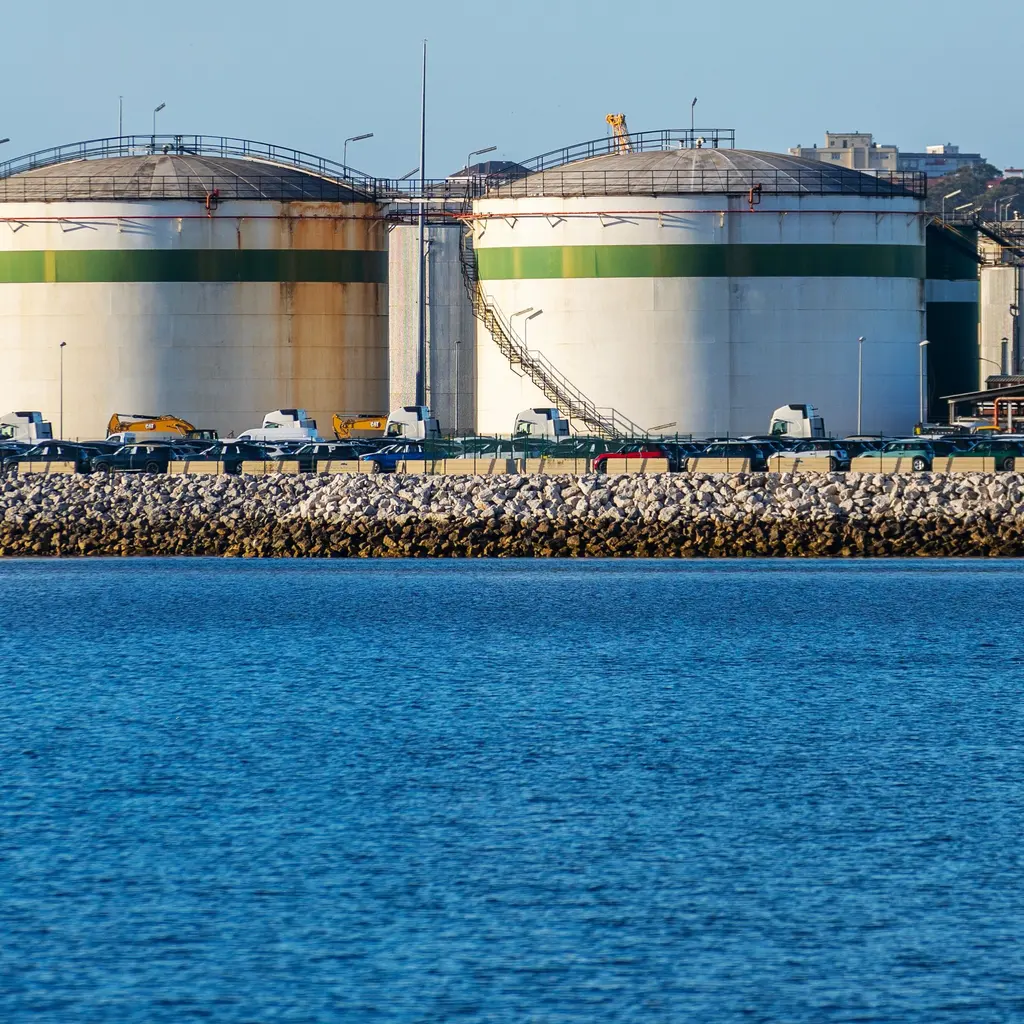
You buy, store, and distribute fuel through terminals and tanker fleets. A terminal leak, tanker collision, or employee fraud can result in lost inventory, environmental liability, and delivery failure.
The Southern Agency can review your stock ownership, terminal duties and delivery arrangements. We can compare property or cargo interests with actual crime and pollution terms, rather than treating an unexplained inventory shortage or a loading spill as the same insured loss.
Large volumes of combustible product in bulk tanks and at loading racks create severe fire and explosion exposure at the terminal.
Transfers at the rack and fuel hauled to customers can spill, triggering cleanup obligations and third-party pollution claims.
High-value fuel inventory and the money flowing through the business expose wholesalers to theft and internal fraud.
A covered loss that halts the terminal can stop deliveries and breach supply commitments to retail and commercial customers.
Tankers moving product across the territory face collision and rollover exposure that can include fuel releases.
Employees gauging tanks, connecting hoses, and operating equipment face slip, fall, and exposure injuries.
Policies to ask about. Which ones fit depends on your operations, your contracts, and the carrier’s forms.
These hypothetical examples are not agency claim results. Whether a loss is covered depends on the facts, policy terms, and applicable exclusions.
A transfer at the rack releases fuel onto the yard and into a drain, creating containment and cleanup costs. Environmental liability may pay covered response and remediation if the location, activity, and reporting fit. Regulator-directed remediation may involve insured costs, but a regulatory demand does not establish payment for every fine or compliance upgrade. The drain's destination and evidence of actual impact determine whether groundwater or waterway claims are also involved.
A fire damages bulk tanks and stops distribution for weeks, leaving repair costs and interrupted fuel sales. Property may pay covered repairs to insured tanks and equipment. Applicable business-income terms may pay actual covered earnings loss and continuing expenses during restoration, subject to waiting, valuation, and restoration conditions. Gross fuel sales, replacement purchases, delivery penalties, and customer nonpayment are not automatically that earnings payment.
An employee is found diverting fuel and proceeds over time. Crime coverage may respond to the resulting loss, subject to the specific policy, endorsements, and exclusions. The fuel and money actually taken need evidence beyond an unexplained stock difference. Discovery and reporting terms and aggregation of repeated acts affect the amount payable.
Start with the work you do and the questions your current policies leave unanswered. Carrier options depend on your location, risk, and underwriting. Explore our approach.
Property may pay insured terminal and stock damage; environmental liability may pay covered releases. Auto addresses covered vehicle-related claims and selected truck damage, while cargo concerns the insured fuel load. Crime may pay covered theft or other purchased fraud losses, GL addresses covered terminal and product-related claims, and excess may add liability limits. Actual fuel, ownership, custody, facilities, and hauling duties determine the interests to assess. One limit does not establish all of those payments or satisfy every supply and financing obligation.
After the required insured damage or other applicable trigger halts terminal operations, business income may pay actual covered earnings loss and continuing expenses during restoration. Waiting periods, repair and reopening time, valuation, and limits matter. Gross fuel sales are not automatically the payment. Applicable financing payments may be continuing expenses, but that is different from guaranteeing customer invoices or repaying the whole inventory-finance balance. Alternative fuel purchases and supply penalties need their own terms. A supply shortage or contract breach alone does not establish an insured shutdown.
An employee who diverts fuel or receipts can leave a direct property or money loss that purchased crime terms may cover. Establish the person, insured property, actual theft, and discovery and reporting conditions. Some forms restrict loss proved only by inventory or profit-and-loss calculations but allow those records to support the amount after independent evidence establishes the loss. Repeated thefts can be grouped for limits. An unexplained shortage, customer bad debt or lost trading margin does not itself establish the same claim; outside theft and payment fraud need their applicable grants.
A rack overfill or hose release can create containment, investigation, and cleanup costs. Environmental liability may pay covered response, remediation and third-party pollution claims when the location, activity, fuel, and reporting fit. Own-site cleanup, customer-site transfers, and road transport need their actual grants and carrier terms. A drain entry does not prove waterway or groundwater impact. Regulator-directed cleanup may involve insured costs, but every fine, upgrade, lost load, and tank repair is not automatically covered.
A supplier or customer agreement may request liability, auto, cargo or pollution limits, insured parties, or waivers. Use the actual contract and compare the requested activities and endorsements with the policies. Additional limits and a certificate do not insure every indemnity, credit obligation, quality guarantee, or delay charge. A contract minimum is not by itself a suitable loss limit, and requested protection still requires an actual underwriting decision.
Provide storage capacity and tank count; annual gallons and territory; rack and transfer controls; fleet size and driver records; inventory and money values; fire protection and prior losses. Ownership, product mix, worker duties, access and payment controls, requested interests, limits, and deductibles also inform an assessment. These are useful inputs, not a pricing formula or proof of current availability. No particular program or limit is established by the wholesaler label.
Bring your questions, current policies, and relevant contracts. An agent can review coverage terms, exclusions, and the information carriers ask for, then explain the options available to you.