

Flammable vapor fire and flash
Gasoline vapor at loading racks and blend tanks can ignite from static or other sources, creating serious fire and flash exposure across the facility.
Try a different word, or check the spelling.
A dosing error can follow a batch from your loading rack into customers' engines. Review resulting damage separately from the cost of correcting the fuel.
The Southern Agency can help you review coverage for blending, storage, and loading at your facility.
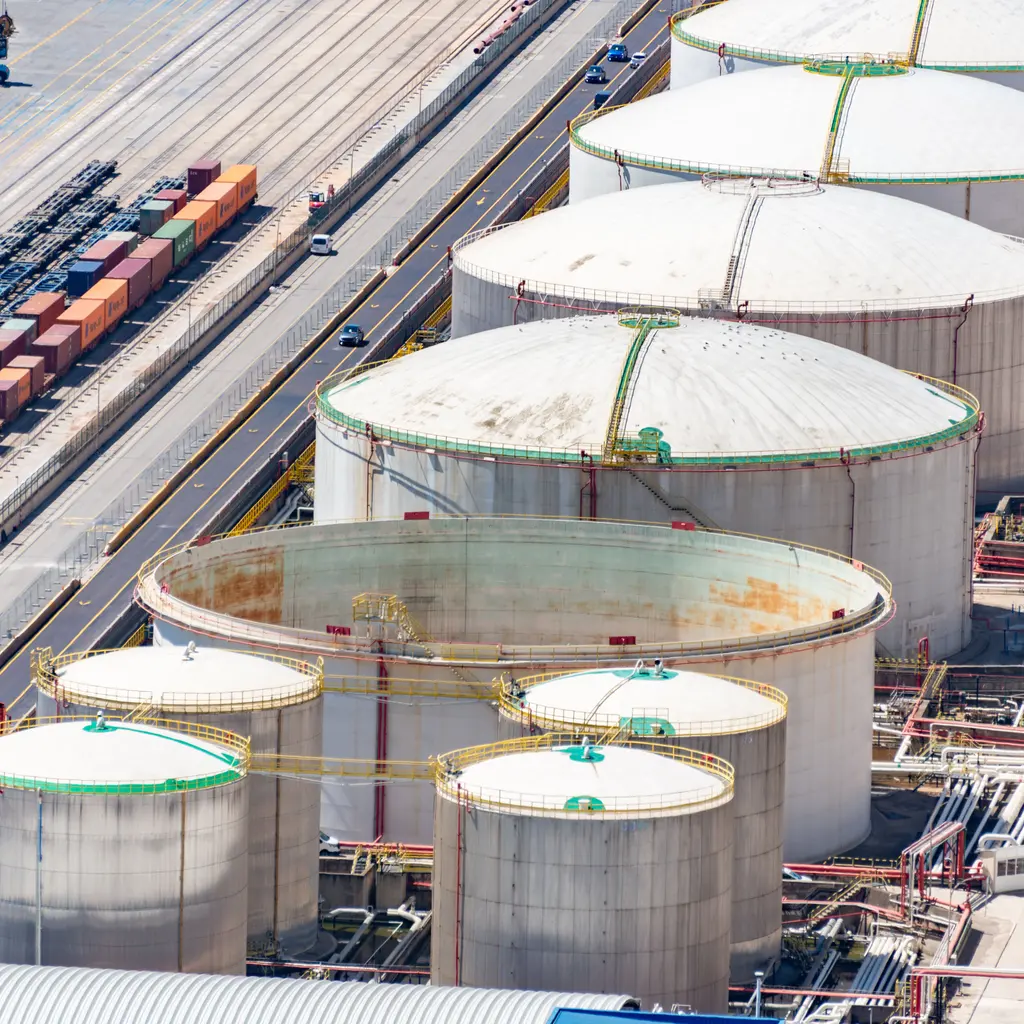
You receive base fuels and additives, then blend and transfer them through tanks and loading racks. A vapor ignition, a contamination incident, or a loading-rack spill can cause physical damage, environmental contamination, or customer claims.
The Southern Agency can help you review your fuels, blending controls and loading arrangements against appropriate insurance. We can distinguish damage to your plant from pollution cleanup and customer engine claims, then review what could support your income during an insured shutdown.
Gasoline vapor at loading racks and blend tanks can ignite from static or other sources, creating serious fire and flash exposure across the facility.
Incorrect additive dosing or contamination can produce off-spec fuel that damages customer engines or fails regulatory testing, driving product claims.
High-volume transfers between tankage and tankers raise the risk of overfills and line failures that release product to soil and water.
Handling oxygenates, dyes, and performance additives creates chemical injury and release risks.
Loading volatile fuel into tankers and dispatching it offsite creates spill, overfill, and roadway pollution exposure.
Failure of injection meters, transfer pumps, or vapor recovery units can halt blending and compromise emission compliance.
Policies to ask about. Which ones fit depends on your operations, your contracts, and the carrier’s forms.
These hypothetical examples are not agency claim results. Whether a loss is covered depends on the facts, policy terms, and applicable exclusions.
Gasoline vapor ignites during a tanker load and damages the loading rack, creating repair costs. Property may pay covered fire damage to the insured rack. If repairs interrupt shipments, business income may pay covered earnings loss and continuing expenses under its own trigger and restoration terms. A vapor fire alone does not establish the insured failure required for equipment-breakdown payment.
A dosing error sends off-spec fuel to customers, causing engine damage claims and potential repair costs. Product liability may pay covered defense and resulting property damages, subject to the insured product, timing, territory, and exclusions. The equipment damage is a different loss from replacing or reblending the fuel, withdrawing other batches or paying promised customer delay charges.
A blend tank overfills and gasoline reaches site soil, creating investigation and cleanup costs. Environmental coverage for the location may pay covered remediation and response costs if the release and reporting conditions fit. This event concerns the plant's affected soil. Liability for injury or damage to others is a separate grant if claims arise. Lost fuel, tank repair and regulatory penalties are separate questions.
Start with the work you do and the questions your current policies leave unanswered. Carrier options depend on your location, risk, and underwriting. Explore our approach.
Start with the plant and fuel you own or hold for customers, then review your responsibility for releases and supplied fuel. Property, machinery, pollution and product liability address different losses. Employee benefits and higher liability limits need their own review. The appropriate combination depends on your fuels, controls and shipping duties.
An incorrect dose or contamination can damage customer engines and create repair claims. Product liability may pay covered defense and resulting damages. Replacing an off-spec batch, reblending, withdrawal, recall, and delay promises require separate treatment. Establish the actual damage, fuel specification, and supply history; a failed test alone does not establish coverage. Product and GL limits may also be shared.
Property may address insured fire damage to tanks or racks, with income protection under its own trigger. Equipment breakdown requires a qualifying failure, not simply a fire. Describe vapor recovery, grounding and ignition controls for the review; those measures and an insured repair do not establish compliance or permission to restart.
Environmental terms may address site investigation, cleanup and third-party claims, but these are distinct protections. Check locations, substances, historical dates, prior conditions, reporting deadlines and retentions, especially for gradual or off-site releases. A cleanup duty does not establish coverage for fines, tank repairs, lost fuel or compliance upgrades.
Review the truck, its liability, the fuel load and spill costs separately. Identify ownership, the hauler, driver employer, routes and loading/unloading duties; a premises limit does not establish transit protection. Pollution terms can distinguish hauled fuel from the truck's operating fuel, and hiring a driver does not itself make the vehicle a hired auto.
Provide bulk tank capacity, peak product values and the additives, oxygenates, and dyes handled. Include vapor recovery, grounding and ignition controls, blend accuracy and testing, and spill and secondary containment. Loading volumes, delivery operations, employee headcount, payroll, and loss history also inform an individual assessment. Current availability, price, and limits still need to be established.
Bring your questions, current policies, and relevant contracts. An agent can review coverage terms, exclusions, and the information carriers ask for, then explain the options available to you.