

Damage to customer vehicles in care and custody
Attendants who fuel, move, or service customer vehicles create garagekeepers exposure if a vehicle is damaged while in the station's care.
Try a different word, or check the spelling.
When your attendant takes a customer's keys, the vehicle becomes more than traffic on the forecourt. Protection for cars in your care needs specific consideration alongside fueling, shop, and store liability.
The Southern Agency can help you assess your service-bay and forecourt risks to choose suitable insurance.
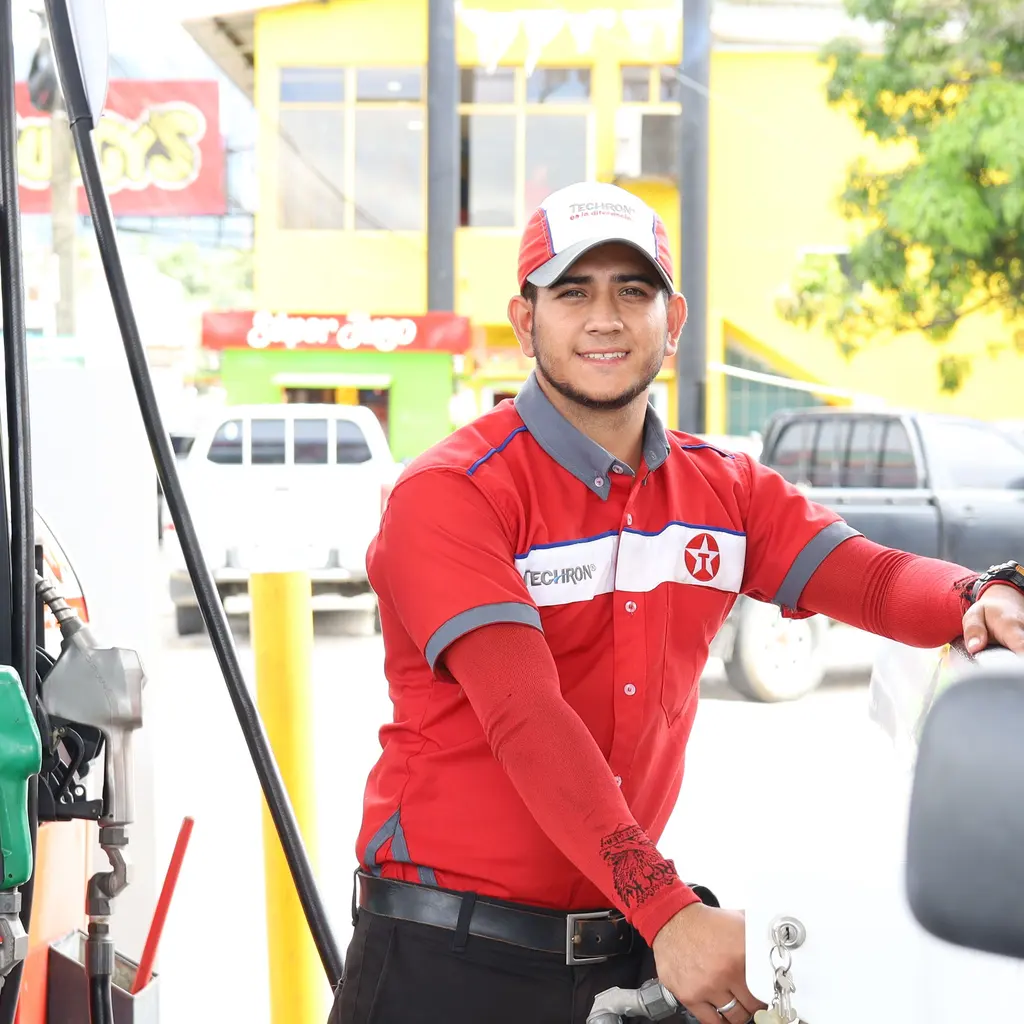
You provide attendant fueling and light auto service, while running a convenience store with payment-data systems. A vehicle damaged in your bay, an attendant injury, or a card-data breach can lead to liability and forensic costs.
The Southern Agency can review who fuels, moves and services customer cars, along with the store and payment systems you operate. We can compare garagekeepers for cars in custody with service-operation liability, station property and separate spill or data terms.
Attendants who fuel, move, or service customer vehicles create garagekeepers exposure if a vehicle is damaged while in the station's care.
Employees pumping fuel among moving vehicles face being struck, slip-and-fall, and fuel-exposure injuries.
Oil changes and light repairs can lead to comebacks and liability if work is alleged to have damaged a customer's vehicle.
Storage tanks and dispenser lines can leak or overfill, releasing fuel that may require environmental cleanup.
Registers and pump readers process card data, exposing the station to skimming and breach response liability.
Service lifts, dispensers, and store coolers can fail, halting service or spoiling stocked inventory.
Policies to ask about. Which ones fit depends on your operations, your contracts, and the carrier’s forms.
These hypothetical examples are not agency claim results. Whether a loss is covered depends on the facts, policy terms, and applicable exclusions.
An attendant moving a customer's car damages it on the lot, leaving repair costs. Applicable garagekeepers coverage may pay covered customer-car damage and related defense if custody, cause, location, and the driver's activities fit. If it was a collision, the selected collision terms matter. Garage liability alone does not establish that payment; legal-liability and direct-coverage options treat fault and other insurance differently.
After the station returns a serviced car, the owner alleges the oil change damaged its engine and seeks repair costs. Applicable completed-operations terms may pay covered defense and resulting damages from the insured service. The cost of repeating the oil change or replacing a defective part is different from a claim for resulting engine damage; faulty-work and customer-vehicle terms can limit payment. Establish when damage occurred and who had custody; a complaint after pickup does not settle which grant applies.
A skimmer captures card data at a dispenser, prompting notification costs. A cyber policy may respond to breach response and liability, depending on the specific policy and exclusions.
Start with the work you do and the questions your current policies leave unanswered. Carrier options depend on your location, risk, and underwriting. Explore our approach.
Garage and general liability may address covered service, premises, and completed-operations claims, with their actual overlap and exclusions checked. Garagekeepers concerns covered damage to customer cars in custody; it is not established by a garage-liability heading. Property protects insured station assets, environmental liability addresses covered releases, workers compensation concerns eligible work-injury benefits and cyber addresses covered data incidents. Excess can add liability limits. Disclose actual fueling, movement, repairs, retail, and payment duties before assessing those interests; a package does not automatically insure every activity.
Fueling or moving a car can lead to injury or property-damage claims, but fueling alone does not settle whether the station had custody. Garage liability may address covered service-operation claims. Garagekeepers concerns damage to a customer's vehicle left in your care. Legal-liability cover concerns damages the station legally owes. Direct primary may cover qualifying vehicle damage without station liability; direct excess can add that protection above other collectible insurance. Purchased causes, locations, limits, and exclusions still apply. Neither the garage label nor a higher GL limit proves customer-car protection.
An engine-damage allegation after an oil change can create defense costs and a repair demand. Applicable completed-operations terms may pay covered defense and resulting damages, subject to the insured work and faulty-work, defective-parts, and customer-vehicle terms. Correcting the oil change itself is a different cost. Establish when damage occurred and who held the vehicle; a later complaint does not prove the loss happened after custody ended. Garagekeepers may exclude faulty work even when the car was in your care, so it is not a blanket workmanship guarantee.
Environmental liability may pay covered investigation, response, cleanup and third-party claims after a tank, line or dispensing release. Own-site remediation and claims by others need their applicable grants, tanks, fuels, locations, prior-condition, and reporting terms. Repairing a tank, replacing lost fuel, upgrades, and fines need separate treatment. A cleanup duty does not establish every payment, and any applicable tank financial-responsibility condition needs its own required evidence.
A skimmer at a pump or a register breach can create forensic, legal, and notification expenses and claims by others. Cyber may pay covered response, defense and damages when the systems, data, incident, and reporting fit. Identify the station's, reader vendor's and processor's roles. Payment-card assessments, chargebacks, replacement cards, processor demands, and interruption need their own applicable grants and limits. A notification-cost payment does not establish every merchant-agreement expense is covered or that security requirements were met.
Provide the range of fueling and repair services; number of bays and lifts; fuel tank capacity and configuration; store size and inventory value; employee headcount and payroll; reader security and prior losses. Customer-car numbers and values, property ownership, controls, requested limits, and deductibles also inform an assessment. These are useful inputs, not a rate formula. Current eligibility, price, and available protection require underwriting; no particular program is established by the full-service label.
Bring your questions, current policies, and relevant contracts. An agent can review coverage terms, exclusions, and the information carriers ask for, then explain the options available to you.