

Forecourt incident goes unattended
Spills, collisions or weather hazards may persist until noticed.
Try a different word, or check the spelling.
When no attendant is on site, a forecourt problem may remain unnoticed until someone reports it. Your liability, property and payment-data protection need to reflect the way the outlet is actually staffed and monitored.
The Southern Agency can help review attendance, response arrangements and your responsibility for site equipment and payment systems.
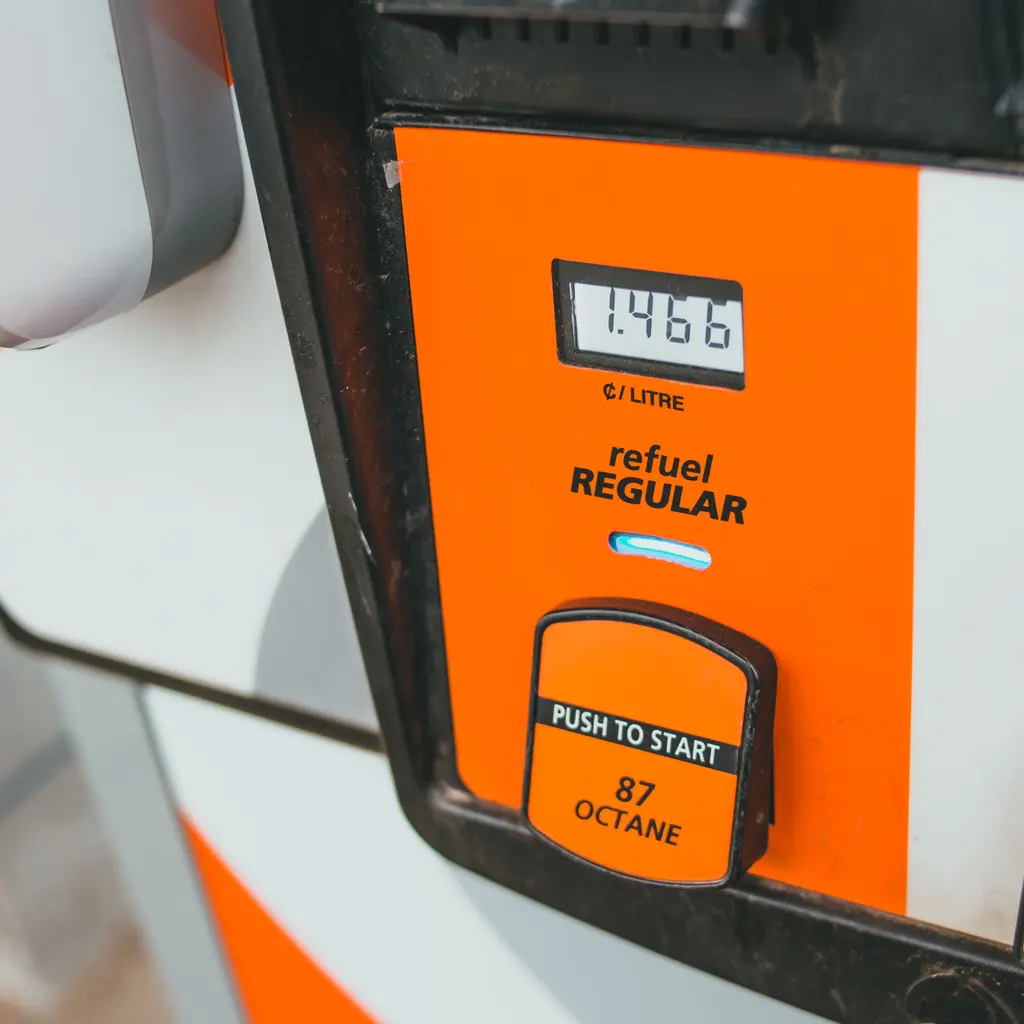
You manage fuel outlets that allow customers to serve themselves at the pump, often without your staff on site. A damaged dispenser can cause a shutdown, and a fuel spill or accident can leave you facing customer claims before assistance arrives.
The Southern Agency can review when the site is attended, who monitors problems and how your tanks, pumps and payments are managed. We can help compare customer liability, insured repairs, accepted release response and payment-data terms without treating one outage as cover for every loss.
Spills, collisions or weather hazards may persist until noticed.
Skimming or unauthorized access can create notification and processor obligations.
Fuel can migrate into soil beyond the forecourt.
Pump, payment, or power faults can interrupt trading; fuel theft and vandalism are separate losses.
Policies to ask about. Which ones fit depends on your operations, your contracts, and the carrier’s forms.
These hypothetical examples are not agency claim results. Whether a loss is covered depends on the facts, policy terms, and applicable exclusions.
A skimmer is discovered on a dispenser and the processor requests an investigation. Cyber terms may help pay covered investigation and required notification, subject to the actual system, event, notice and consent provisions. Finding the device does not by itself prove which cards were affected, and processor assessments, stolen fuel and reader replacement need their own terms.
A fire damages a dispenser after closing and sales stop during repairs. Property may help pay covered repairs to included equipment; downtime needs applicable income terms and a realistic restoration period. Identify cause, ownership, values and earnings. An after-hours event does not itself establish the fire's cause or turn all missed fuel sales into covered profit.
A customer slips in spilled fuel and alleges the outlet failed to detect or address it. GL may help with covered defense and damages when the parties, site and operation fit. The spill's timing, actual monitoring and response duties matter; limited staffing alone is not proof of fault, an automatic denial or a pollution-cleanup grant.
Start with the work you do and the questions your current policies leave unanswered. Carrier options depend on your location, risk, and underwriting. Explore our approach.
Review customer liability, site assets, tank and line releases, payment systems and dispensing machinery against the actual operating model. Suitable terms may help with covered claims, repairs, response or interruption, but those have different triggers. Describe actual attendance and responsibilities so stock, workers and contractual duties can be considered separately.
A compromised reader or merchant account can prompt investigation, notification and payment-provider demands. Cyber may help pay covered response or privacy claims when systems, event and duties fit. Finding a skimmer is not proof every card was affected, and assessments, fraud, hardware replacement and interruption need their own grants rather than a universal cyber assumption.
Attendance can affect how quickly a spill, collision or hazard is detected and addressed. Disclose actual hours, monitoring, inspection and response responsibilities. A customer claim still depends on duties, cause and harm; self-service or limited staffing alone does not prove negligence, an automatic exclusion or insurer acceptance.
Environmental terms may help pay covered investigation, response, remediation and pollution claims for included tanks, lines and fuels. Check actual locations, prior conditions, release and discovery dates and reporting. Failed-tank repair, lost saleable fuel, fines and upgrades are separate costs; a certificate does not prove every financial-assurance requirement is satisfied.
Breakdown may help repair included dispensing machinery after a qualifying internal failure. A payment-provider or software outage, wear and external damage can have different treatment. Any income payment needs its own trigger, waiting period, actual earnings calculation and restoration terms; missed gallons or every preventive closure are not automatically covered profit.
Tank setup, dispensers, staffing, controls, security, and loss history inform underwriting; no price or automatic acceptance is promised.
Bring your questions, current policies, and relevant contracts. An agent can review coverage terms, exclusions, and the information carriers ask for, then explain the options available to you.