

Vehicles and pedestrians mix
Turning trucks and parked vehicles create collision and premises allegations.
Try a different word, or check the spelling.
A driver may park, eat, and fuel at your site in one visit. Liability needs to fit those different services, including any alcohol sales, rather than treat the property as pumps alone.
Talk with The Southern Agency about your operation, policy terms, and the information carriers need.
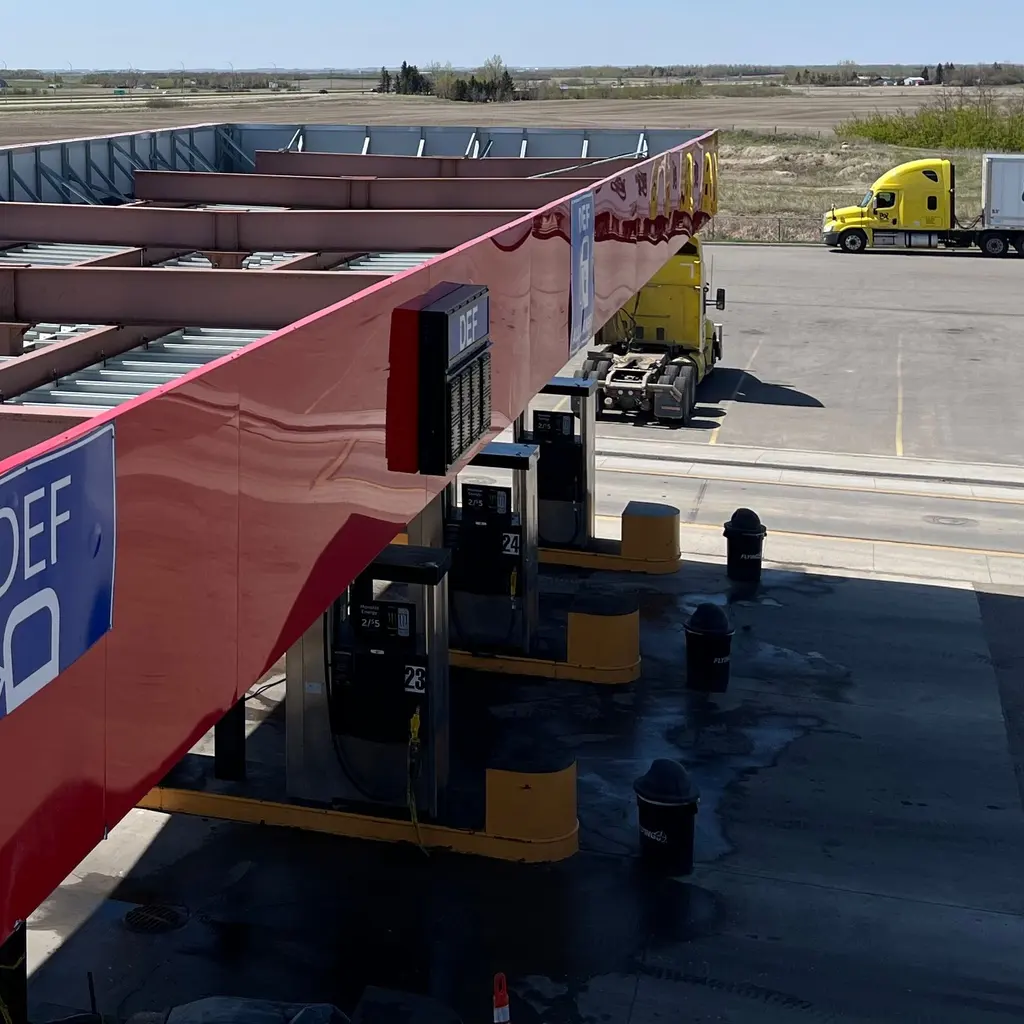
You run a site where heavy trucks and pedestrians share space day and night. An incident at a fuel island can affect more than dispensing, while a restaurant injury or equipment failure brings different claims and downtime.
The Southern Agency can review your fuel lanes and any dining or overnight services to help select appropriate insurance. We can check which assets, employees and liability duties belong to you and which belong to tenants.
Turning trucks and parked vehicles create collision and premises allegations.
Dining can lead to illness allegations; alcohol-related duties depend on what is sold or served.
Tanks, deliveries, and dispensers can create cleanup interests beyond ordinary property damage.
Payment breaches or equipment failures can affect pumps, store and dining revenue; employees face different duties.
Policies to ask about. Which ones fit depends on your operations, your contracts, and the carrier’s forms.
These hypothetical examples are not agency claim results. Whether a loss is covered depends on the facts, policy terms, and applicable exclusions.
A turning truck strikes a fuel island and damages a dispenser. Suitable property terms may address covered dispenser repairs. Whether the stop owes damages to the trucker depends on alleged site conditions, duties and fault; any fuel cleanup is a separate environmental question.
Several travelers allege illness after eating at the restaurant. Accepted food-liability terms may address covered defense and damages. Identify who operated the kitchen and supplied the meal; a tenant's restaurant is not automatically the fuel-center operator's insured activity.
An intrusion exposes payment information from pump and register systems. Cyber may address covered forensics, notification and privacy claims for included systems. Processor assessments need specific terms, with actual payment agreements, response consent and reporting duties checked separately from ordinary data-response costs.
Start with the work you do and the questions your current policies leave unanswered. Carrier options depend on your location, risk, and underwriting. Explore our approach.
Review fuel, premises, food, property, staff and payment risks, adding alcohol or service protection only where relevant.
Assess actual alcohol activity and applicable liability. Ordinary host-liquor terms may not accept commercial sales or service.
Several payment points can create response and processor obligations after a covered incident; card volume alone does not determine cover.
Food injury, kitchen property, and employee duties add different interests. Breakdown and spoilage need express provisions.
Only suitable environmental terms should be relied on; volume does not override exclusions or existing contamination.
Services, traffic, fuel, assets, staffing, controls, and loss history inform underwriting; no standard price is promised.
Bring your questions, current policies, and relevant contracts. An agent can review coverage terms, exclusions, and the information carriers ask for, then explain the options available to you.