

Animal contact
Bites, scratches, escapes or disease allegations can affect guests and staff.
Try a different word, or check the spelling.
Where your animals depend on filtration or temperature controls, repairing the equipment is only one concern. Mortality protection for the collection and encounter liability need their own express terms.
Discuss animal loans, actual contact programs and life-support dependencies with the people responsible for each.
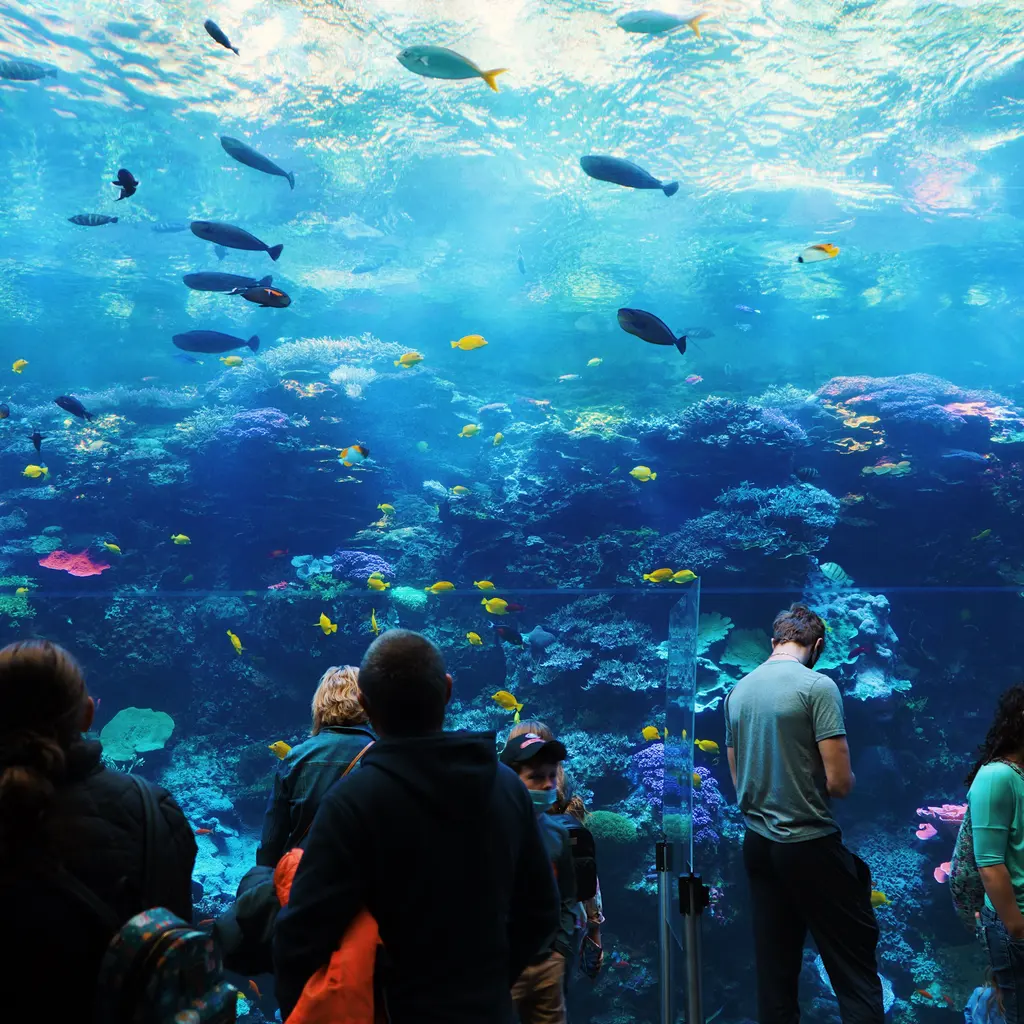
You care for living collections and manage public encounters in habitats or touch tanks. Failed life-support systems or animal-contact injuries present complex operational and liability risks.
The Southern Agency can review the species in your care, any public encounters and the systems your habitats depend on. We can discuss visitor and keeper injuries alongside machinery damage, then identify where living-collection interests need express terms rather than assuming building or pump insurance includes the animals.
Bites, scratches, escapes or disease allegations can affect guests and staff.
Filtration, oxygenation, and temperature controls sustain aquatic animals.
Paths, water features, and cafes create ordinary visitor exposure.
Treatment and disposal activities can cause pollution allegations.
Animal work, diving, and retained donor information create distinct employee and data concerns.
Policies to ask about. Which ones fit depends on your operations, your contracts, and the carrier’s forms.
These hypothetical examples are not agency claim results. Whether a loss is covered depends on the facts, policy terms, and applicable exclusions.
Suppose a guest is bitten during an advertised animal-contact session. General liability may address a covered allegation only within the insured species and encounter terms. Review who ran the session, supervision duties and any animal-contact exclusions; a supervised activity is not automatically covered or free of liability.
Suppose an overnight filtration failure harms animals in an aquarium exhibit. Breakdown terms may address insured machinery damage, while mortality or other living-collection loss needs its own provisions and cause requirements. The collection's value, backup arrangements and timing of discovery matter; replacing the pump does not establish an animal-loss payment.
Suppose treatment chemical escapes during handling and reaches a neighboring property. Environmental terms may address a qualifying release, cleanup or third-party claim at the accepted locations. Identify the material, operator and affected area; routine treatment costs and damage to the animals are not automatically covered by that pollution grant.
Start with the work you do and the questions your current policies leave unanswered. Carrier options depend on your location, risk, and underwriting. Explore our approach.
Contact programs need to fit the insured activity and species wording; supervision alone does not establish coverage.
Breakdown on a pump does not itself insure animal mortality. Check the living-collection interest separately.
Waste and treatment chemicals can create distinct pollution claims outside ordinary visitor liability.
Employee duties and applicable rules determine compensation treatment, including specialized diving work.
Excess limits are useful only for claims within the listed policies and relevant animal provisions.
Cyber response depends on the donor, member or payment records actually held and who controls them.
Bring your questions, current policies, and relevant contracts. An agent can review coverage terms, exclusions, and the information carriers ask for, then explain the options available to you.