

Open public access
Steps, paths, and reflecting pools can lead to injury allegations.
Try a different word, or check the spelling.
An outside organizer can bring a ceremony to your memorial without taking over every site responsibility. Public liability and monument restoration protection should reflect the gathering and the original features in your care.
Identify the monument owner, grounds steward and ceremony organizer before comparing their insurance responsibilities.
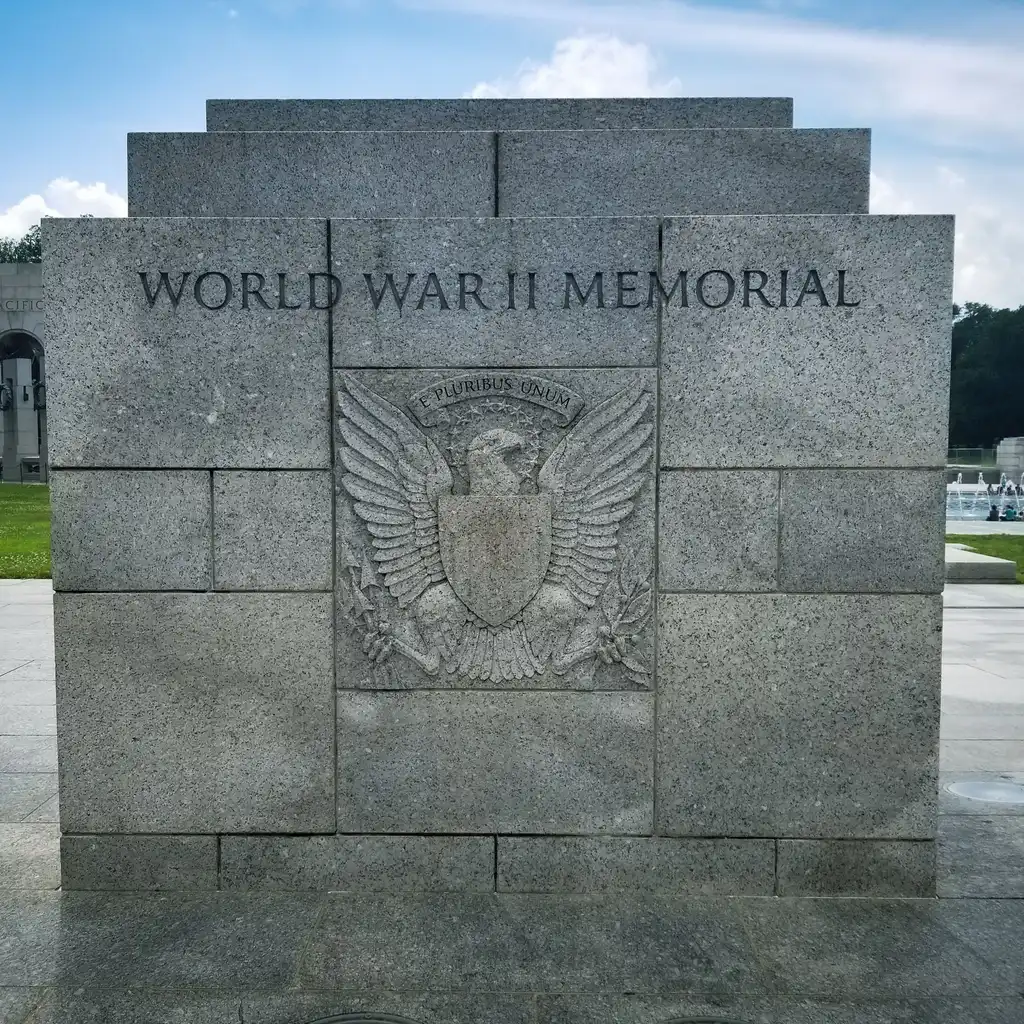
You maintain memorials which may remain open to the public without staff onsite. Risks include visitor falls on steps or vandalism to unique bronze plaques that require specialized conservation.
The Southern Agency can review who owns the monument, who maintains the grounds and how ceremonies are arranged. We can compare restoration values with outdoor-property terms, then discuss visitor claims, maintenance workers and the organization's responsibility for donations.
Steps, paths, and reflecting pools can lead to injury allegations.
Vandalism, metal theft, and vehicle impact can harm original features.
Gatherings change crowd size and bring outside organizers onto the site.
Employees, volunteers or contractors service lighting and landscaping.
Donation handling and board decisions create separate financial exposures.
Policies to ask about. Which ones fit depends on your operations, your contracts, and the carrier’s forms.
These hypothetical examples are not agency claim results. Whether a loss is covered depends on the facts, policy terms, and applicable exclusions.
Suppose a visitor falls on a damaged step while the memorial is unstaffed. Review the insured location, the entity responsible for maintenance and the alleged failure to address the condition. Lack of on-site staff does not itself establish either liability or a coverage exclusion.
Suppose vandals damage the original lettering on a bronze plaque. Property terms determine whether the outdoor feature and vandalism are insured and whether payment reflects restoration or another valuation basis. Donated or historically significant work still needs documented values; donation-theft coverage is not a substitute.
Suppose a guest trips over a temporary cable during a remembrance ceremony and names the foundation and outside organizer. Review who installed the equipment, controlled the route and was insured for the event. The organizer's agreement does not automatically transfer every site duty or insure the foundation.
Start with the work you do and the questions your current policies leave unanswered. Carrier options depend on your location, risk, and underwriting. Explore our approach.
An unstaffed site can still generate a premises claim; whether it is insured depends on the location and allegation.
List monument elements and intended restoration values, then inspect theft and vandalism provisions.
Describe the ceremony's attendance and outside organizers; ordinary site cover does not establish every event is included.
D&O may address covered governance allegations about funds or stewardship, apart from physical damage.
Crime wording determines which donations and dishonest acts are insured.
Additional limits can help with a severe covered claim, but only within the excess form's scope.
Bring your questions, current policies, and relevant contracts. An agent can review coverage terms, exclusions, and the information carriers ask for, then explain the options available to you.