

Kitchen and grease fires
Fryers, flat-tops and grease-laden hood systems are a source of fires that can damage the building, destroy equipment, and force a closure.
Try a different word, or check the spelling.
You may own the kitchen equipment while the landlord owns the walls around it. Coverage for your improvements, food stock, and service liability needs to reflect those different interests.
The Southern Agency can help you coordinate liability and property coverage for your dining and kitchen areas.
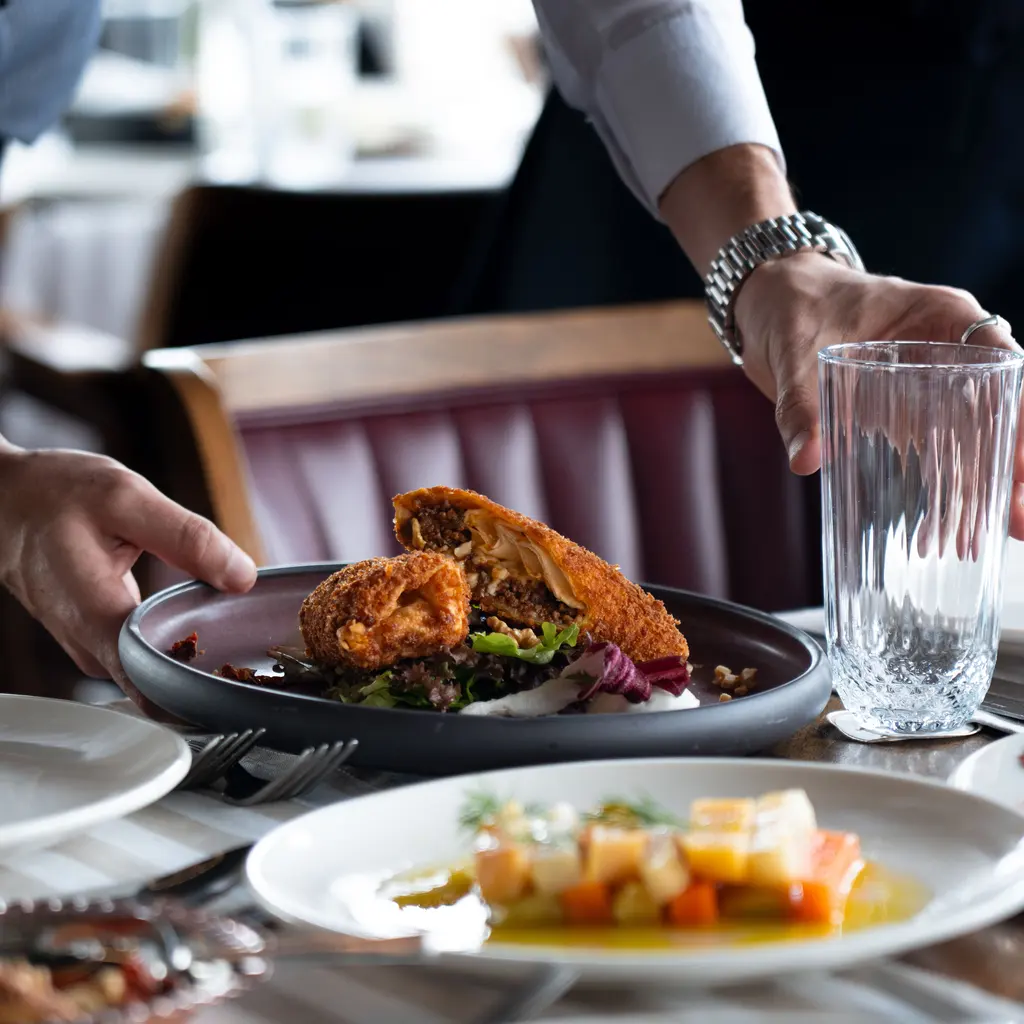
You manage a busy kitchen and dining room serving meals to the public. A kitchen fire or an injured guest can halt your operations and create significant financial pressure.
The Southern Agency can help you review your menu, service areas and lease duties, including any alcohol or delivery work. We can compare property and liability protection with separate cooler, food-claim and shutdown interests.
Fryers, flat-tops and grease-laden hood systems are a source of fires that can damage the building, destroy equipment, and force a closure.
Spilled drinks, freshly mopped floors, and busy dining-room aisles create trip-and-fall situations that can lead to guest bodily-injury claims.
Improper holding temperatures, cross-contamination, or an allergen mistake can lead to claims that a guest became ill after eating at the restaurant.
If the restaurant serves alcohol, an allegedly over-served guest who later causes harm may bring claims that depend on the policy and applicable dram-shop rules.
Burns, cuts, slips, and repetitive-strain injuries among kitchen and wait staff are common and may trigger workers compensation needs.
A failed walk-in cooler or freezer can spoil thousands of dollars of food, and refrigeration or HVAC breakdown may interrupt service.
Restaurants process many card transactions, so a breach of the point-of-sale system or guest data could create cyber and notification costs.
Policies to ask about. Which ones fit depends on your operations, your contracts, and the carrier’s forms.
These hypothetical examples are not agency claim results. Whether a loss is covered depends on the facts, policy terms, and applicable exclusions.
A fryer flare-up ignites the hood system during dinner service. Property coverage may help repair the kitchen and replace equipment, while business-income provisions could respond to the closure, depending on policy terms. Check covered fire/protective conditions and purchased income/restoration terms; bookings/refunds are not automatic.
A guest slips on a spilled drink near the bar and is injured. General liability may respond to the resulting bodily-injury claim and related defense costs, subject to the policy. Review insured premises, spill responsibility, and actual injury allegations.
A patron is allegedly over-served and later involved in an incident off premises. A liquor liability policy may respond depending on the specific policy, endorsements, exclusions, and facts. Check state duty, declared service, and exclusions; later accident alone does not establish insured liability.
Start with the work you do and the questions your current policies leave unanswered. Carrier options depend on your location, risk, and underwriting. Explore our approach.
Bring your actual alcohol service, license, lease and event requirements. We can compare liquor-business liability for that work. Requirements vary, and general liability's host-liquor terms should not be assumed to protect a restaurant in the business of serving alcohol.
A BOP bundles property and general liability and is a common foundation, but many restaurants add workers compensation, liquor liability, and equipment breakdown. The right mix depends on your operations, menu, and staffing.
Spoilage and equipment breakdown coverage may help when refrigeration or other equipment fails and inventory is lost. Whether a loss is covered depends on the specific policy, endorsements, and exclusions.
General and product liability provisions may respond to foodborne-illness allegations and related defense costs. Coverage depends on the policy, the facts, and how the claim is presented.
Restaurants have meaningful injury exposure from burns, cuts, and slips, so workers compensation is commonly needed and often required for employees. Requirements vary by state and number of employees.
Carriers weigh sales, alcohol service, seating, payroll, kitchen protection, and claims history. Because operations vary widely, premiums differ, and coverage availability depends on underwriting.
Bring your questions, current policies, and relevant contracts. An agent can review coverage terms, exclusions, and the information carriers ask for, then explain the options available to you.