

Listeria and pathogen contamination
Soft, fresh, and raw-milk cheeses are vulnerable to Listeria and other pathogens, driving recall and bodily-injury claims if contaminated product reaches consumers.
Try a different word, or check the spelling.
A maturing wheel represents more than the price of the milk that went into it. Your stock valuation and spoilage terms deserve their own consideration alongside the machinery keeping the aging rooms at the right conditions.
The Southern Agency can help you evaluate your cheese production insurance needs.
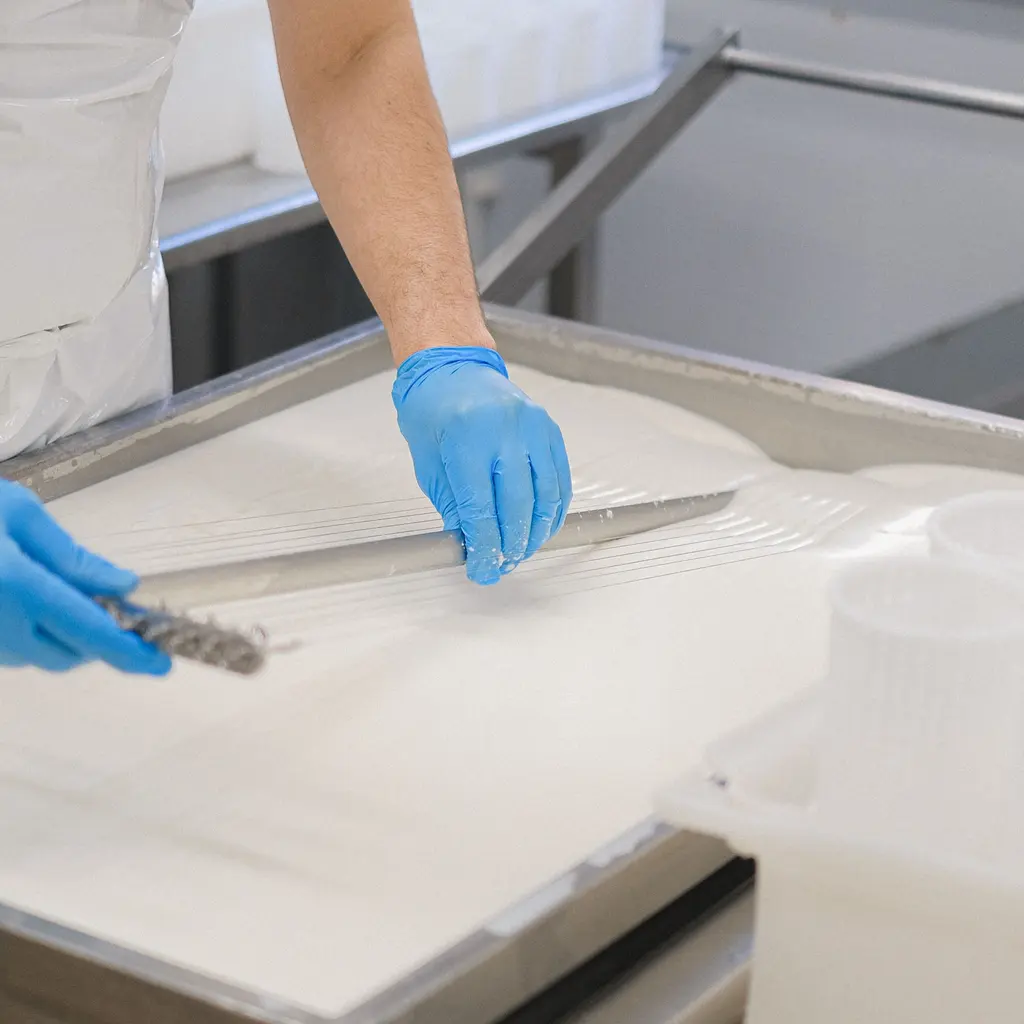
You turn milk into fresh or matured cheese through processing, storage and packaging that depend on sanitation and controlled conditions. Contamination can affect released lots; cooling failure can damage fresh stock or, if you age cheese, inventory that has built value over months.
The Southern Agency can review your cheese styles, storage and distribution to help you compare insurance. We can separate machinery repair from stock spoilage and valuation, with consumer-injury and withdrawal expenses considered on their own terms.
Soft, fresh, and raw-milk cheeses are vulnerable to Listeria and other pathogens, driving recall and bodily-injury claims if contaminated product reaches consumers.
A refrigeration or climate-control failure can ruin maturing cheese representing months of value, far exceeding the cost of the original milk.
Contaminated or mislabeled cheese can be pulled from distributors and retailers nationwide, creating withdrawal, cleanup, and replacement costs.
Pasteurizers, chillers, and brine systems are central to safety and quality, and a failure can spoil milk in process and stop production.
High-strength whey and salt brine byproducts create wastewater, disposal, and potential pollution concerns around the facility.
Slick floors, sharp cutting tools, hot vats, and cold storage expose make-room and packaging staff to slips, cuts, and strains.
Perishable incoming milk and finished cheese inventory are exposed to spoilage from power loss, equipment failure, or temperature excursions.
Policies to ask about. Which ones fit depends on your operations, your contracts, and the carrier’s forms.
These hypothetical examples are not agency claim results. Whether a loss is covered depends on the facts, policy terms, and applicable exclusions.
Routine testing flags Listeria in a soft cheese lot and product is recalled from retailers. Product and recall-related coverage may help with withdrawal and injury costs, depending on policy terms and endorsements. Check a separately eligible recall event and purchased expenses; product liability does not automatically fund withdrawal or all replacement stock.
A chiller fails over a weekend and a batch of aging wheels is lost. Equipment breakdown with spoilage coverage may respond to the inventory loss, subject to the specific policy and exclusions. Confirm covered cooling event, cheese valuation, and spoilage/income limits; expected yield/shrinkage differs.
An employee slips on a wet floor near the vats and is injured. Workers' compensation may help with medical and wage benefits, depending on jurisdiction and policy terms. Worker/employer status and jurisdiction govern benefits; make-room injury and product liability are different policies.
Start with the work you do and the questions your current policies leave unanswered. Carrier options depend on your location, risk, and underwriting. Explore our approach.
Cheesemakers commonly carry product liability, commercial property, equipment breakdown, general liability, and workers' compensation. The right mix depends on cheese types and volume, subject to underwriting.
Equipment breakdown with spoilage coverage may respond when a covered refrigeration failure ruins aging stock. Limits should reflect peak inventory value, and coverage depends on policy terms.
Identify affected make/aging lots and retailer destinations before comparing recall terms. Products liability concerns covered harm to others. Withdrawal and first-party contamination/recall costs need a specifically eligible event, products and purchased expenses; ordinary spoilage, rework or a quality rejection is not automatic cover.
Describe whether milk is raw or treated, the cheese styles, aging conditions and actual testing/release procedures. These affect how the operation is reviewed and which products/processes are accepted. Testing or aging does not itself guarantee cover, safety or a recall payment.
High-strength whey and brine can create pollution exposure that standard liability often excludes. Environmental liability may help, depending on the specific policy and underwriting.
Distributors and grocery buyers often require liability limits and additional insured status. We can help structure a program to meet those terms, though availability depends on underwriting.
Bring your questions, current policies, and relevant contracts. An agent can review coverage terms, exclusions, and the information carriers ask for, then explain the options available to you.