

Pathogen contamination and recall
Pasteurization failure or post-process contamination can introduce Listeria or Salmonella into milk, leading to recalls and illness claims.
Try a different word, or check the spelling.
Raw milk in a tanker, milk in process and packaged stock can involve different causes of loss and ownership interests. Your vehicle, stock and machinery protection should not treat every temperature loss as the same event.
The Southern Agency can help you compare milk custody and cooling dependencies with separate machinery, product, vehicle and release duties.
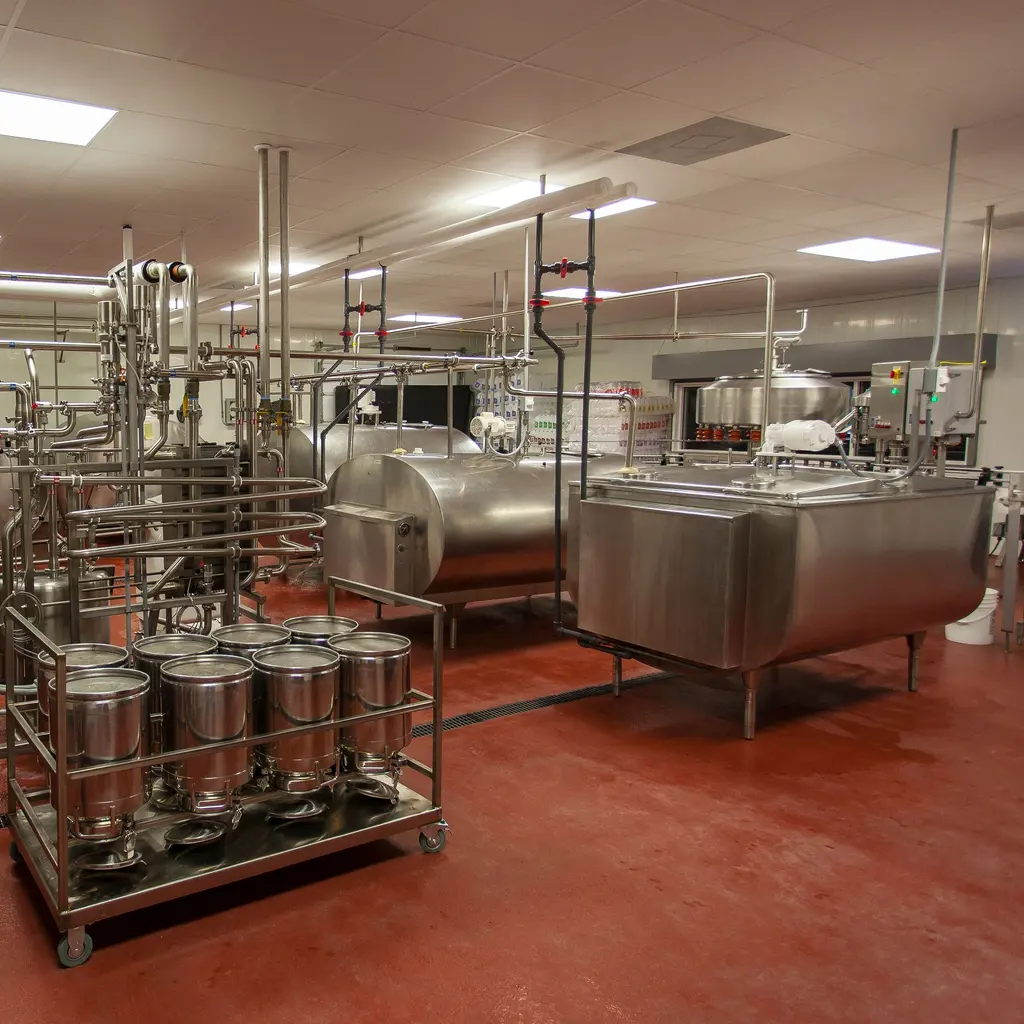
You pasteurize and package fluid milk, relying on a continuous cold chain and stainless-steel processing lines. A pasteurization failure or refrigeration breakdown can lead to rapid product spoilage and public-health consequences.
The Southern Agency can review your cold-chain controls and sanitation standards to help select appropriate insurance, such as product liability for contamination or equipment coverage for your pasteurizers.
Pasteurization failure or post-process contamination can introduce Listeria or Salmonella into milk, leading to recalls and illness claims.
A compressor, power, or controls failure can spoil large volumes of raw and finished milk quickly, given how perishable fluid dairy is.
HTST pasteurizers, homogenizers, separators, and CIP systems run continuously and can fail, halting production and spoiling in-process milk.
High-strength dairy wastewater and cleaning chemicals can create environmental and permit-compliance exposure if not properly managed.
Raw milk tankers and refrigerated delivery trucks create vehicle liability and cargo exposure across daily routes.
Wet floors, cold rooms, and moving filling lines expose workers to slip, strain, and machinery injuries common in dairy plants.
Policies to ask about. Which ones fit depends on your operations, your contracts, and the carrier’s forms.
These hypothetical examples are not agency claim results. Whether a loss is covered depends on the facts, policy terms, and applicable exclusions.
A refrigeration compressor fails over a weekend, spoiling finished milk in cold storage. Equipment breakdown coverage may respond to repair and spoilage costs, depending on policy terms and exclusions. Check covered cooling cause, stock valuation, and time/utility terms; ordinary expiry differs.
Post-pasteurization contamination is suspected and milk is recalled. Product liability may address covered consumer harm; withdrawal and disposal need a separately eligible purchased recall event and expenses. Suspected contamination, returned stock and buyer replacement demands do not themselves establish every cost is insured.
A raw milk tanker is involved in a collision en route to the plant. Business auto coverage may respond to liability and physical damage, depending on policy terms and how the vehicle is used. Review insured vehicle/driver and purchased physical damage separately from milk cargo, environmental cleanup, and collection delays.
Start with the work you do and the questions your current policies leave unanswered. Carrier options depend on your location, risk, and underwriting. Explore our approach.
Refrigeration failure can spoil fluid milk; the loss depends on temperature, duration, and the stock involved. Equipment breakdown coverage may respond when refrigeration fails, helping with repair and spoilage, depending on policy terms and underwriting.
Product liability may address covered injury or property-damage allegations from milk reaching consumers. Trace actual treatment/packing lots and harm. Retrieval, disposal, replacement and buyer refunds require separately eligible recall or contract terms; a product claim does not establish every withdrawal cost.
Dairy plants generate high-strength wastewater and use cleaning chemicals that standard liability often excludes. Environmental liability may respond to cleanup and claims, subject to policy terms and facts.
Business auto may help with liability and physical damage for raw milk tankers and refrigerated delivery vehicles, subject to policy terms and how the fleet is operated.
Business income may respond when a covered event, such as equipment breakdown, halts production, helping with lost revenue, depending on the specific policy and exclusions.
Wet floors, cold rooms, and filling machinery drive slip, strain, and machinery injuries. Workers' compensation is commonly required and often legally mandated, subject to your state's rules.
Bring your questions, current policies, and relevant contracts. An agent can review coverage terms, exclusions, and the information carriers ask for, then explain the options available to you.