

Refrigeration breakdown and product spoilage
A failed compressor, refrigerant leak or control fault can spoil large volumes of finished dessert and raw dairy stored throughout the plant.
Try a different word, or check the spelling.
Your hardening tunnel and stock can be intact while an outside power interruption stops the cold chain. Equipment, utility and spoiled-stock terms need to be understood separately from liability for a finished dessert.
The Southern Agency can help you address the complex cold-chain and contamination exposures inherent in your production plant.
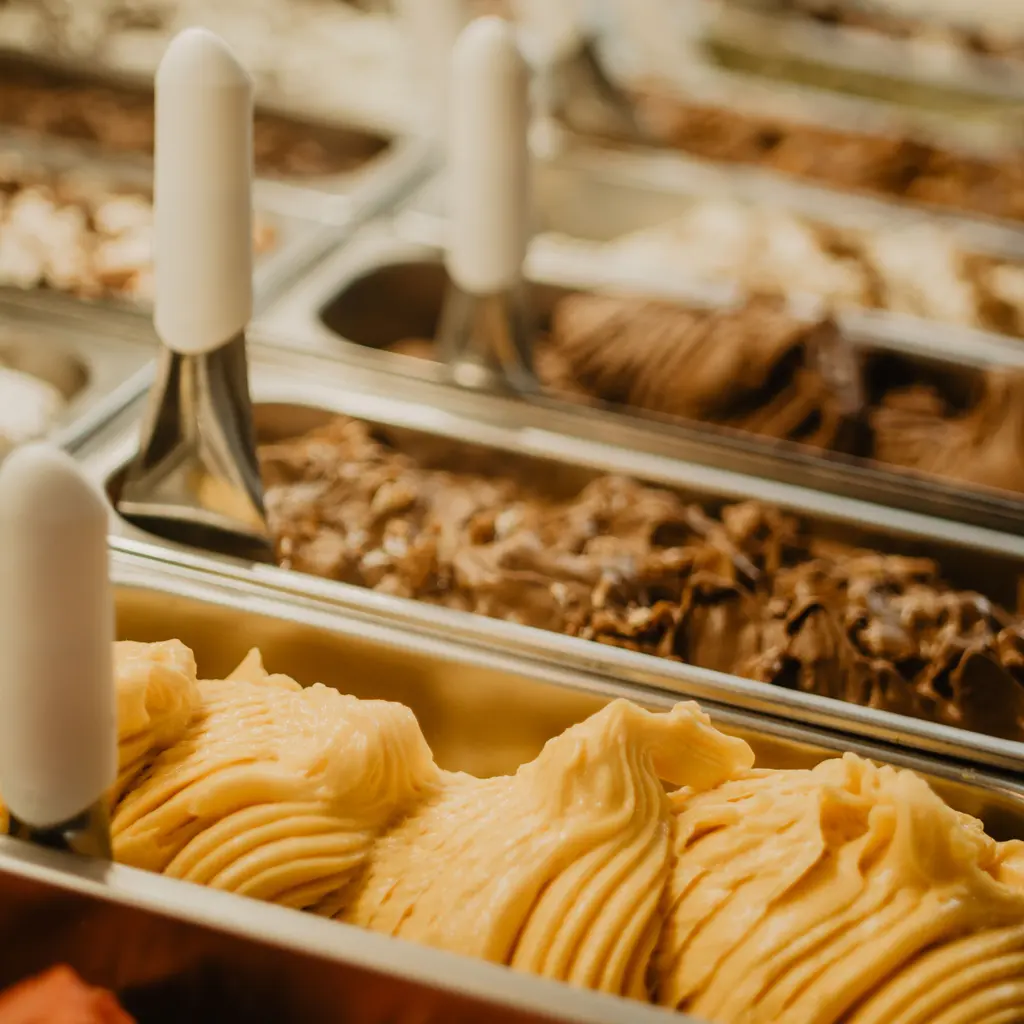
You blend, freeze and pack ice cream or other frozen desserts, using dairy or non-dairy bases and the inclusions in your actual recipes. A compressor failure or outside power interruption can threaten stock at several stages. Shared ingredients and flavor-label changes can also spread a product problem across multiple lots.
The Southern Agency can help you review your cold-storage and allergen-control protocols to select appropriate insurance, such as property and product liability coverage tailored for frozen dessert manufacturers.
A failed compressor, refrigerant leak or control fault can spoil large volumes of finished dessert and raw dairy stored throughout the plant.
Because frozen desserts are ready-to-eat, listeria, salmonella, or foreign-material contamination can prompt a recall and customer claims.
Ingredients such as milk, eggs, tree nuts, peanuts, and soy may share lines, depending on the actual recipes. An undeclared allergen or label mix-up can cause serious illness and liability.
Extended utility outages can compromise frozen inventory and halt production even when plant equipment itself is undamaged.
Workers around freezers, hardening tunnels, mixers, and fillers face slip, cut, repetitive-motion, and cold-exposure injuries.
Shipping frozen cases to retailers and foodservice accounts creates spoilage and damage risk while product is in transit or temporarily staged.
Policies to ask about. Which ones fit depends on your operations, your contracts, and the carrier’s forms.
These hypothetical examples are not agency claim results. Whether a loss is covered depends on the facts, policy terms, and applicable exclusions.
A compressor fails over a weekend and a freezer's contents soften before staff arrive. Equipment breakdown coverage may respond to repairs and spoiled stock, depending on policy terms and the cause of loss. Confirm covered compressor event and stock valuation/limits; softened inventory alone does not establish all costs.
A flavor change introduces tree nuts that are not reflected on the label, prompting a recall. Product liability coverage may respond to resulting injury claims, subject to the specific policy, endorsements, and exclusions. Separate covered injury from eligible label-related recall expenses and own-product replacement.
A regional power outage idles the plant and threatens frozen stock. Property coverage with the right extensions may help with covered spoilage, depending on policy terms and any required protective measures. Check off-premises utility cause/property and any line exclusions, time terms, and included stock; regional outage is not automatically covered.
Start with the work you do and the questions your current policies leave unanswered. Carrier options depend on your location, risk, and underwriting. Explore our approach.
Spoilage is often handled through property extensions or equipment breakdown coverage when a covered cause such as a refrigeration failure is involved. Coverage depends on the specific policy and exclusions.
Frozen desserts depend on continuous refrigeration. Equipment breakdown coverage may help when compressors or freezing systems fail, addressing both repairs and ruined inventory, subject to policy terms.
Trace shared inclusions and recipe/label changes across plant, warehouse, and carrier lots. Products liability concerns covered harm to others, not automatically withdrawal. Recall/contamination cover needs an eligible event, insured product and purchased expenses; quality rejection, refunds, rework and routine spoilage are not automatic cover.
Yes. Because frozen desserts are ready-to-eat and often share lines, insurers commonly review allergen-control and labeling practices when pricing product exposure, depending on operations.
If you operate vehicles to move frozen product, business auto coverage is commonly needed, and transit or cargo extensions may help with spoilage in transit, subject to policy terms.
Many plants use a commercial package policy to coordinate property, liability, and breakdown coverage. The right structure depends on your specific operations and underwriting.
Bring your questions, current policies, and relevant contracts. An agent can review coverage terms, exclusions, and the information carriers ask for, then explain the options available to you.