

Refrigeration loss and spoilage
Butter and cream depend on continuous cold storage, and a refrigeration failure can spoil large quantities of perishable product quickly.
Try a different word, or check the spelling.
A rancid or off-flavor lot can be rejected without an illness claim. Your stock, breakdown and product terms need to distinguish that quality loss from damaged machinery, spoiled cream and harm to a customer.
The Southern Agency can help you match property, spoilage, equipment, and product protection to your refrigeration-sensitive operation.
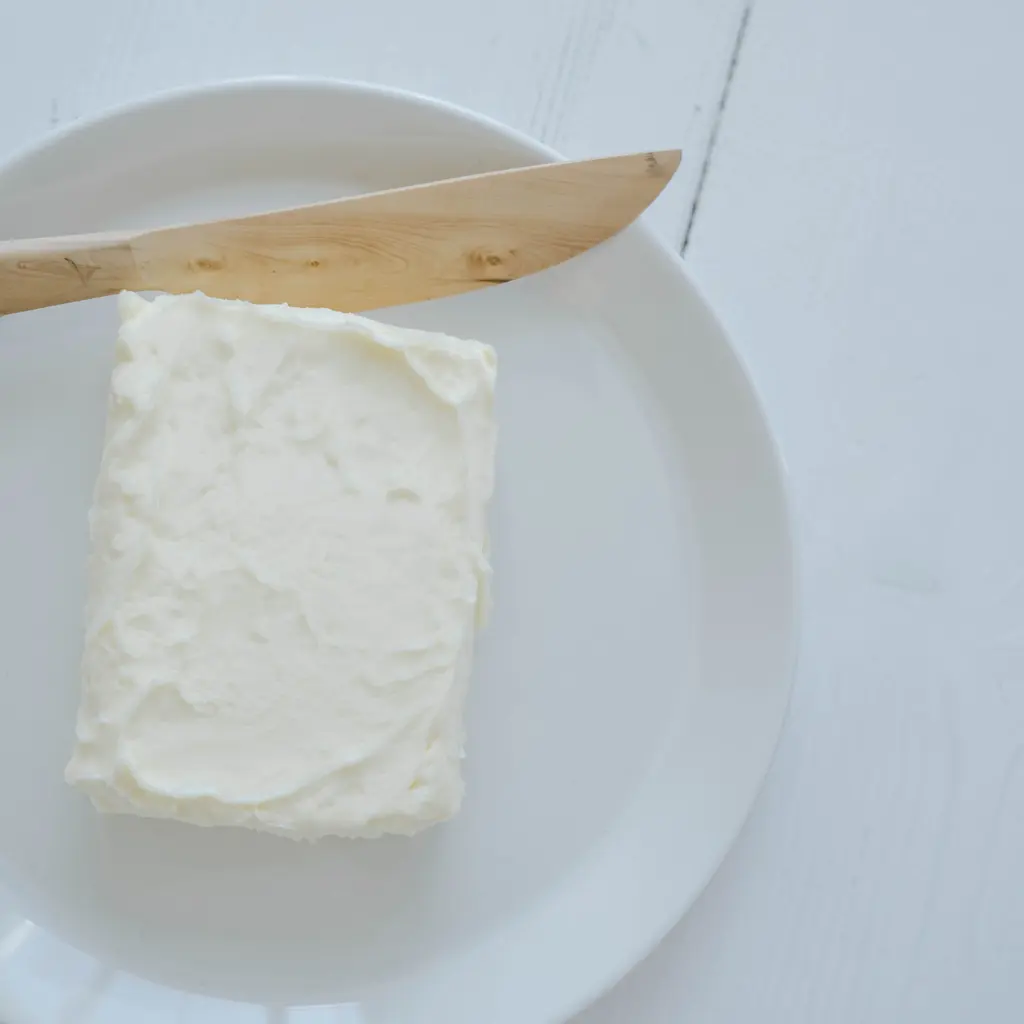
You turn cream into butter for retail shelves or ingredient buyers, with chilled stock at several stages of production. A refrigeration failure can spoil that stock, while a failed separator or churn can hold up orders. Quality complaints and contamination can reach your customers' own products.
The Southern Agency can help you review your creamery's machinery, cold storage and buyer obligations. We can compare breakdown and spoilage terms with product liability, recall needs and the wastewater exposures from your process.
Butter and cream depend on continuous cold storage, and a refrigeration failure can spoil large quantities of perishable product quickly.
Separators, pasteurizers, and churns are central to production, and a breakdown can stop output and spoil cream already in process.
Fat-rich butter is prone to rancidity and off-flavors, and quality failures can lead to rejected lots and claims from ingredient and retail buyers.
Dependence on cream supply and volatile dairy prices means interruptions in supply or processing can cause significant income loss.
Pathogen or foreign-material contamination in butter can trigger recalls across retail and foodservice distribution channels.
Slick floors, churning equipment, and cold storage expose staff to slips, strains, and machinery injuries.
Wash-down water and dairy byproducts create wastewater and potential pollution considerations around the facility.
Policies to ask about. Which ones fit depends on your operations, your contracts, and the carrier’s forms.
These hypothetical examples are not agency claim results. Whether a loss is covered depends on the facts, policy terms, and applicable exclusions.
A refrigeration unit fails over a holiday and finished butter spoils. Equipment breakdown with spoilage coverage may respond to the inventory loss, depending on policy terms and exclusions. Check covered cooling event, spoilage inclusion and value; expired stock differs.
An ingredient buyer rejects a lot for off-flavor and pursues a claim. Product liability may respond to resulting third-party costs, subject to the specific policy and facts. Off-flavor rejection/refund alone may lack covered bodily injury/property damage; own-product, impaired-property, recall and contract exclusions matter.
An employee slips on a wet floor near the churning line and is injured. Workers' compensation may help with medical and wage benefits, depending on jurisdiction and policy terms. Review employment/jurisdiction and benefit terms, not every employer payment.
Start with the work you do and the questions your current policies leave unanswered. Carrier options depend on your location, risk, and underwriting. Explore our approach.
Creameries commonly carry commercial property with spoilage, equipment breakdown, product liability, general liability, and workers' compensation. The right mix depends on volume and operations, subject to underwriting.
Equipment breakdown with spoilage coverage may respond when a covered refrigeration failure ruins butter or cream. Limits should reflect peak value, and coverage depends on policy terms.
Supply interruptions can drive income loss. Business income coverage may respond to covered events that halt processing, though market-driven shortages alone are typically not covered, subject to policy terms.
Quality failures can lead to rejected lots and third-party claims. Product liability concerns covered bodily injury or property damage; off-flavor rejection or a refund alone does not establish coverage. Actual policy terms, endorsements, and facts govern.
Wash-down water and byproducts can create pollution exposure that standard liability often excludes. Environmental liability may help, depending on the specific policy and underwriting.
Foodservice and ingredient buyers often require liability limits and additional insured status. We can help structure a program to meet those terms, subject to underwriting.
Bring your questions, current policies, and relevant contracts. An agent can review coverage terms, exclusions, and the information carriers ask for, then explain the options available to you.