

Contamination and recall of dairy products
Pathogen or foreign-material contamination in cultured and ready-to-eat dairy can trigger fast-moving recalls across retail and foodservice channels.
Try a different word, or check the spelling.
Your refrigeration supports perishable product, but the refrigerant and dairy wastewater create different responsibilities. Machinery, stock and environmental protection need to fit the actual systems rather than assume a repair policy pays for a release.
The Southern Agency can help you align your dairy processing operations with the right insurance protections.
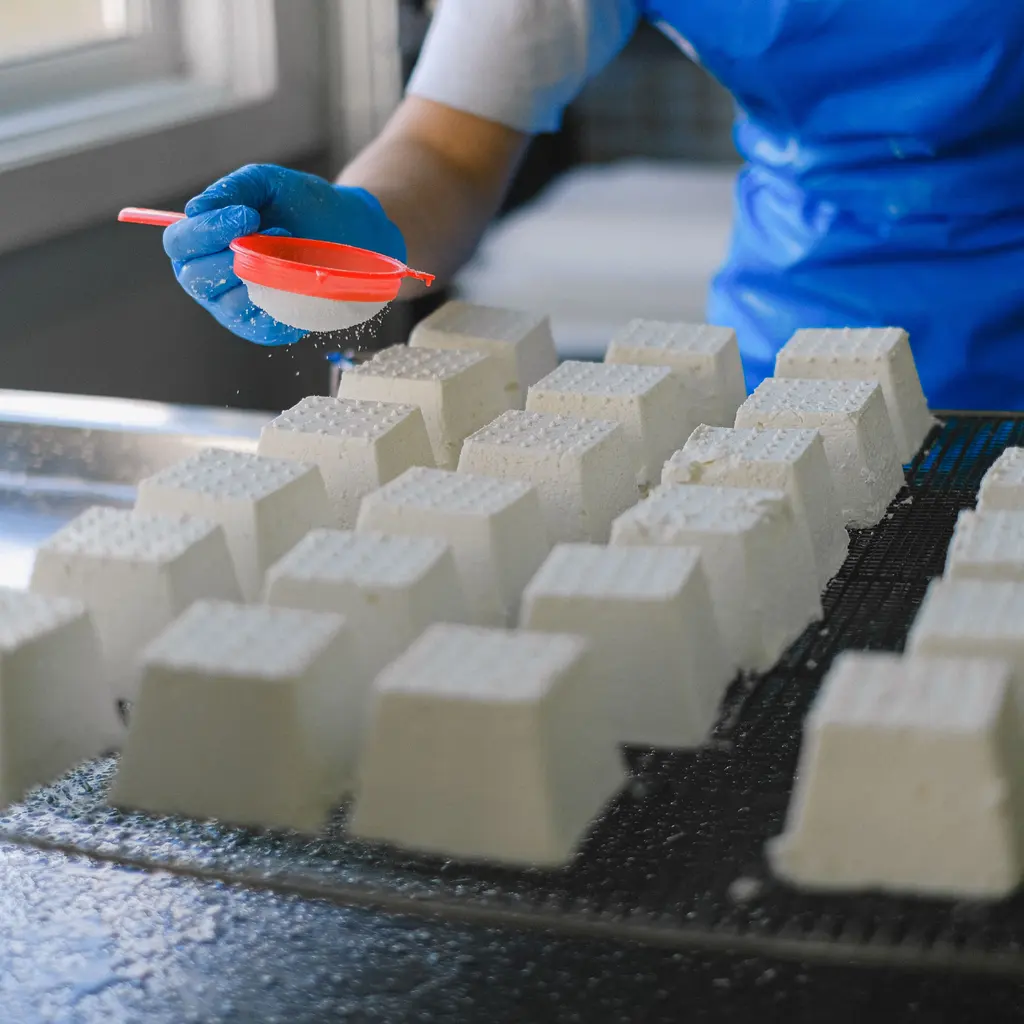
You convert raw dairy into products like yogurt or cottage cheese, maintaining cold storage and specialized processing lines. A pasteurization failure, equipment breakdown or contamination event can disrupt your production, spoil perishable inventory and trigger significant claims.
The Southern Agency can review your cold-chain, food-safety, and refrigeration-system risks to help select suitable insurance, such as product liability for contamination or equipment breakdown coverage for pasteurizers.
Pathogen or foreign-material contamination in cultured and ready-to-eat dairy can trigger fast-moving recalls across retail and foodservice channels.
Pasteurizers, homogenizers, fillers, and refrigeration are central to safety and output, and a failure can spoil milk in process and finished stock.
Perishable inputs and short-dated products mean refrigeration loss or downtime can spoil large quantities of inventory quickly.
Industrial ammonia systems create a serious release and pollution exposure to workers and neighbors that standard liability often excludes.
High-strength wash-down and process water creates wastewater treatment and potential pollution exposure around the facility.
Wet floors, cold storage, and filling and culturing machinery expose a sizable workforce to slips, strains, and machinery injuries.
Grocery and foodservice buyers commonly require specific liability limits and additional insured status for dairy suppliers.
Policies to ask about. Which ones fit depends on your operations, your contracts, and the carrier’s forms.
These hypothetical examples are not agency claim results. Whether a loss is covered depends on the facts, policy terms, and applicable exclusions.
Testing flags contamination in a cultured product and it is recalled from retailers. Product and recall-related coverage may help with withdrawal and injury costs, depending on policy terms and endorsements. Separate covered harm from eligible withdrawal/disposal/replacement; positive testing alone does not establish all expenses.
An ammonia refrigeration leak affects workers and prompts a regulatory response. Environmental liability may respond to cleanup and defense costs, subject to the specific policy and facts. Review release/cleanup and employment exclusions; worker benefits and regulatory fines are separate.
A filling line and chiller fail together and short-dated product is lost. Equipment breakdown with spoilage coverage may respond, depending on policy terms and exclusions. Check covered causes, stock/utility/income inclusion, and short-date values; missed shelf dates alone are insufficient.
Start with the work you do and the questions your current policies leave unanswered. Carrier options depend on your location, risk, and underwriting. Explore our approach.
Processors commonly carry commercial property with spoilage, equipment breakdown, product liability, general liability, environmental, and workers' compensation. The right mix depends on the operation, subject to underwriting.
Yes, industrial ammonia creates release and pollution risk that standard liability often excludes. Environmental liability may help, depending on the specific policy and underwriting.
Equipment breakdown with spoilage and property coverage may respond when a covered refrigeration failure ruins short-dated stock. Limits should reflect peak value, subject to policy terms.
Use common milk/culture inputs and lot destinations to estimate affected products. Products liability concerns covered harm to others, not automatically withdrawal. Recall/contamination cover needs an eligible event, insured product and purchased expenses; quality rejection, refunds, rework and routine spoilage are not automatic cover.
High-strength wastewater can create pollution exposure beyond standard liability. Environmental liability may address those claims, depending on the specific policy and underwriting.
Buyers often require liability limits and additional insured status. We can help structure a program to meet those terms, though availability depends on underwriting.
Bring your questions, current policies, and relevant contracts. An agent can review coverage terms, exclusions, and the information carriers ask for, then explain the options available to you.