

Fryer fire and grease exposure
Continuous deep frying and grease buildup in hoods and ducts make kitchen fire a leading exposure for quick-service kitchens.
Try a different word, or check the spelling.
Your shift roster may change quickly while kitchen, counter, and drive-thru work continues. Employee-injury and employment-practices protection address different concerns, with unpaid wages or overtime not automatically treated as insured claims.
Review kitchen maintenance and shift practices alongside the location's franchise, lease and payment-processing duties.
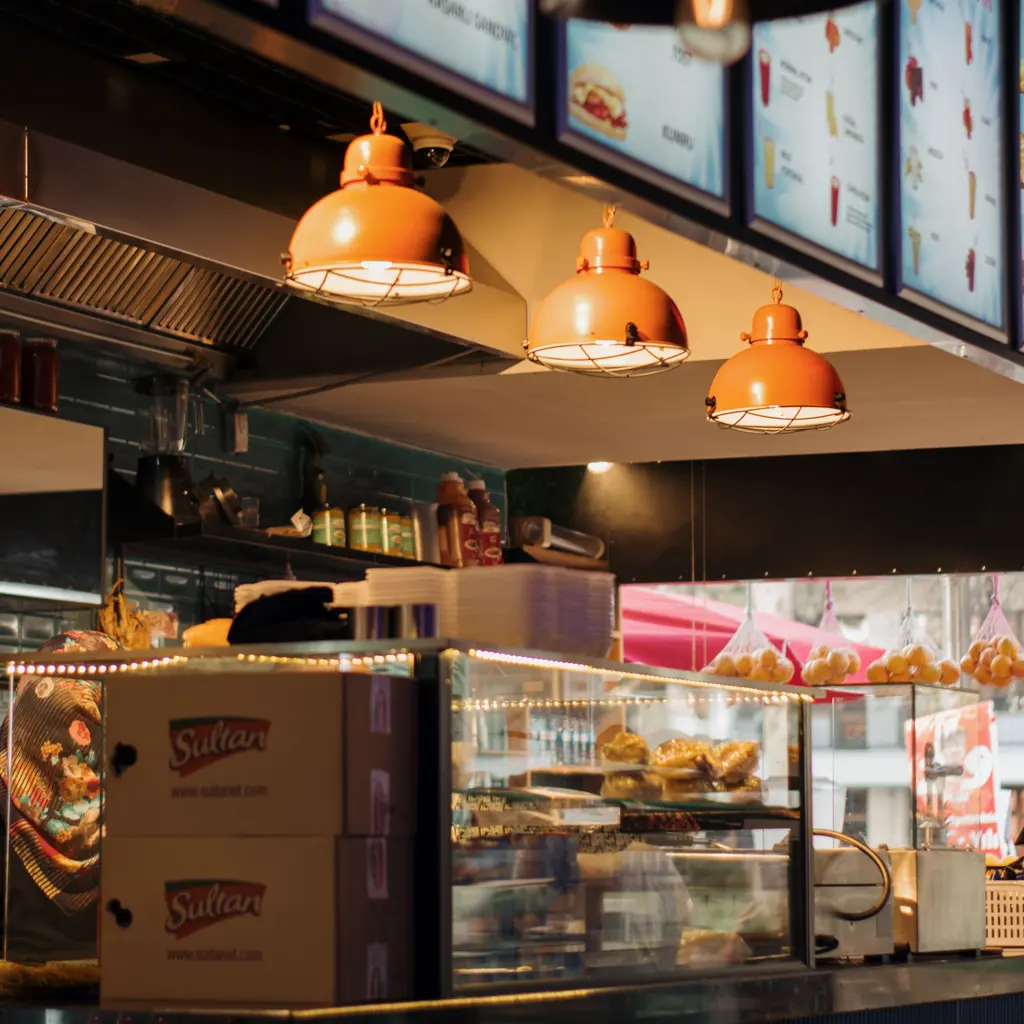
You manage a quick-service kitchen where hot oil and high-volume dining create frequent risks for fire or customer accidents. A fryer fire can damage equipment and interrupt service, while an injury in the dining area or drive-thru can lead to a separate liability claim.
The Southern Agency can review your kitchen operations and transaction volume to help select appropriate insurance, such as property coverage for fryers or cyber liability for your card-processing systems.
Continuous deep frying and grease buildup in hoods and ducts make kitchen fire a leading exposure for quick-service kitchens.
Hot oil, grills, and fast-paced shifts with a high-turnover crew create burn and strain injury exposure.
High turnover and large hourly staffs increase wage-and-hour, wrongful-termination, and harassment claim exposure.
A drive-thru and busy parking lot add customer slip-and-fall and vehicle-related exposure around the premises.
High card-transaction volume creates cyber and PCI exposure if point-of-sale systems are compromised.
Franchisors commonly mandate specific coverages and minimum limits the location must maintain to stay in compliance.
Policies to ask about. Which ones fit depends on your operations, your contracts, and the carrier’s forms.
These hypothetical examples are not agency claim results. Whether a loss is covered depends on the facts, policy terms, and applicable exclusions.
Suppose grease ignites near a fryer and damages the kitchen. Property and purchased business-income terms may address covered repairs and eligible earnings loss during restoration. Review suppression or other protective conditions, deductibles and the restoration period; sales totals and franchise penalties are not automatically the insured loss.
Suppose a former employee alleges unpaid overtime. Review the wage-and-hour exclusion and any explicitly purchased defense benefit before treating this as an employment-practices claim with payment available. Defense may have a separate sublimit; overtime owed and settlement are not automatically insured.
Suppose a customer slips on a wet walkway beside the drive-thru. General liability may address a covered premises claim, with medical-payments provisions distinct from liability damages. Identify cleanup and traffic-control duties; the drive-thru location alone does not establish fault or decide whether vehicle coverage applies.
Start with the work you do and the questions your current policies leave unanswered. Carrier options depend on your location, risk, and underwriting. Explore our approach.
Quick-service locations commonly carry property, general liability, workers' compensation, equipment breakdown, and often employment-practices and cyber coverage. The mix depends on operations and franchise terms, subject to underwriting.
Continuous deep frying and grease buildup make kitchen fire a leading exposure, so insurers review suppression and hood cleaning. Strong maintenance may help with terms, depending on underwriting.
High-turnover hourly workforces raise wage-and-hour and harassment claim exposure. Review accepted claims, reporting dates, and wage/hour exclusions. Unpaid overtime, back pay or settlement of wage/hour claims are not automatically insured; any limited defense benefit must be explicit.
Bring the actual franchise and lease requirements, including requested endorsements and limits. The Southern Agency can compare them with the policies offered or issued. Brand approval, a certificate or a requested limit does not itself change coverage or guarantee that every requirement can be met.
A compromised point-of-sale system may create investigation, notification and privacy costs under applicable cyber terms. Identify the franchise, payment processor and restaurant's actual responsibilities. Card assessments, processor reimbursement and PCI compliance work need their own review; response coverage is not a compliance guarantee.
Business income coverage may respond when a covered loss forces a closure, helping with lost revenue. Coverage depends on the specific policy and exclusions.
Bring your questions, current policies, and relevant contracts. An agent can review coverage terms, exclusions, and the information carriers ask for, then explain the options available to you.