

Flour dust fire or explosion
Handling and conveying flour and semolina generates combustible dust that can ignite, creating fire and explosion exposure.
Try a different word, or check the spelling.
A dry pasta pack and a chilled, filled pasta product place different demands on your storage and delivery arrangements. Your stock and product protection should fit the forms and ingredients you actually make.
The Southern Agency can help you align your pasta manufacturing risks with insurance coverage that addresses your dry and refrigerated operations.
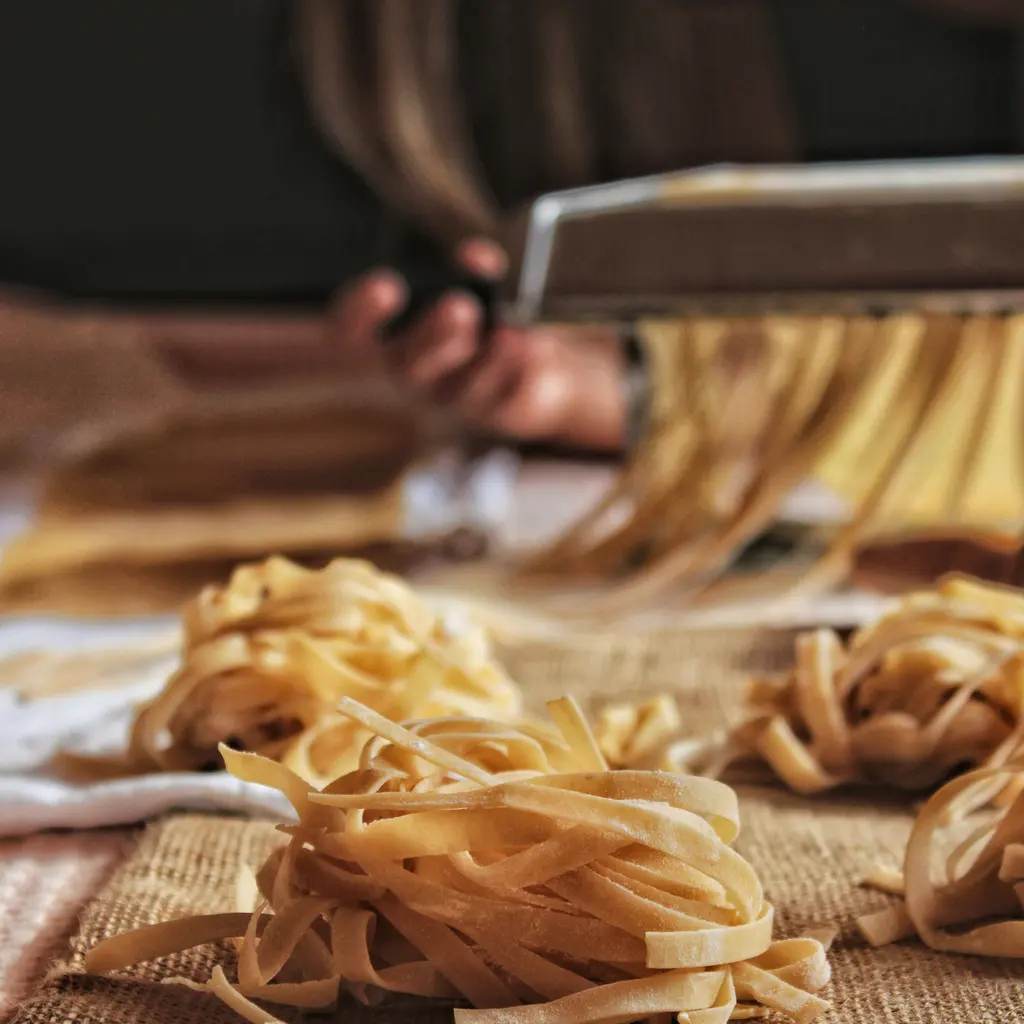
You produce various pasta types, handling significant volumes of dry flour and operating specialized extrusion and drying equipment. Dust from flour presents an explosion hazard, while failures in your temperature-controlled storage can ruin fresh or filled pasta.
The Southern Agency can review your pasta-making process and dust-mitigation strategies to help you select appropriate insurance. We can look at how to protect your business against property damage and liability risks associated with dry-goods handling and refrigerated distribution.
Handling and conveying flour and semolina generates combustible dust that can ignite, creating fire and explosion exposure.
Cross-contact or mislabeling of major allergens like wheat and egg can cause illness and trigger recalls and claims.
Refrigerated, filled, and fresh pasta carry pathogen and spoilage risk that can sicken consumers and prompt a recall.
Extruders, dryers, sheeters, and packaging lines are critical, and a failure can ruin a batch or spoil refrigerated product.
Heat, mixers, extruders, and repetitive packaging tasks expose employees to burns, machinery, and strain injuries.
Stored flour, eggs, and finished pasta can be lost to fire, moisture, or pests. Coverage depends on the cause and policy terms.
Policies to ask about. Which ones fit depends on your operations, your contracts, and the carrier’s forms.
These hypothetical examples are not agency claim results. Whether a loss is covered depends on the facts, policy terms, and applicable exclusions.
An egg-based product is packaged in cartons that omit the allergen, and a consumer reports a reaction. Product liability coverage may respond to the claim, depending on policy terms, endorsements, and the facts of the loss. Covered consumer harm differs from withdrawing other pasta, refunding prices, or rework.
A pasta dryer malfunctions and an entire run is lost. Equipment breakdown coverage may help with repairs and spoiled product, subject to policy terms and the cause of loss. Confirm covered dryer event, batch stock, and income terms; dryness/quality rejection alone is insufficient.
A cooler fails overnight and refrigerated filled pasta spoils. Property and equipment breakdown coverage may help with covered spoilage, depending on policy terms and exclusions. Review covered cooling/utility cause, stock inclusion, and valuation; expiry or mishandling is not automatically insured.
Start with the work you do and the questions your current policies leave unanswered. Carrier options depend on your location, risk, and underwriting. Explore our approach.
Fresh or filled pasta adds refrigeration and short-shelf-life concerns. Dry pasta still needs ingredient, pathogen, and allergen controls; compare actual formats, preparation instructions, and covered loss causes.
It can be. Handling flour and semolina generates combustible dust, so underwriters often review dust-control and housekeeping, depending on operations and plant conditions.
Both are major allergens, so cross-contact or mislabeling can lead to claims. Product liability may respond, and insurers commonly review labeling, depending on policy terms.
Equipment breakdown coverage may respond to repairs and resulting ruined or spoiled product when key machinery fails, subject to policy terms and the cause of loss.
Trace filling/allergen and label versions through dry, chilled, and frozen lots. Products liability concerns covered harm to others, not automatically withdrawal. Recall/contamination cover needs an eligible event, insured product and purchased expenses; quality rejection, refunds, rework and routine spoilage are not automatic cover.
Many grocers and distributors require product liability with set limits before stocking products. The right limits depend on your accounts, operations, and underwriting.
Bring your questions, current policies, and relevant contracts. An agent can review coverage terms, exclusions, and the information carriers ask for, then explain the options available to you.