

Variable recipes and contamination
Changing recipes or using live-culture fermentation can alter spoilage, pressure and contamination risks. Batch checks and distribution records help identify which products and customers may be affected.
Try a different word, or check the spelling.
As your recipes and sales settings change, the drink and activity accepted by your insurer may need to change too. Sampling, fermentation and packaging deserve attention beyond a general description of a craft business.
The Southern Agency can help you adapt your insurance to your craft beverage production and evolving sales channels.
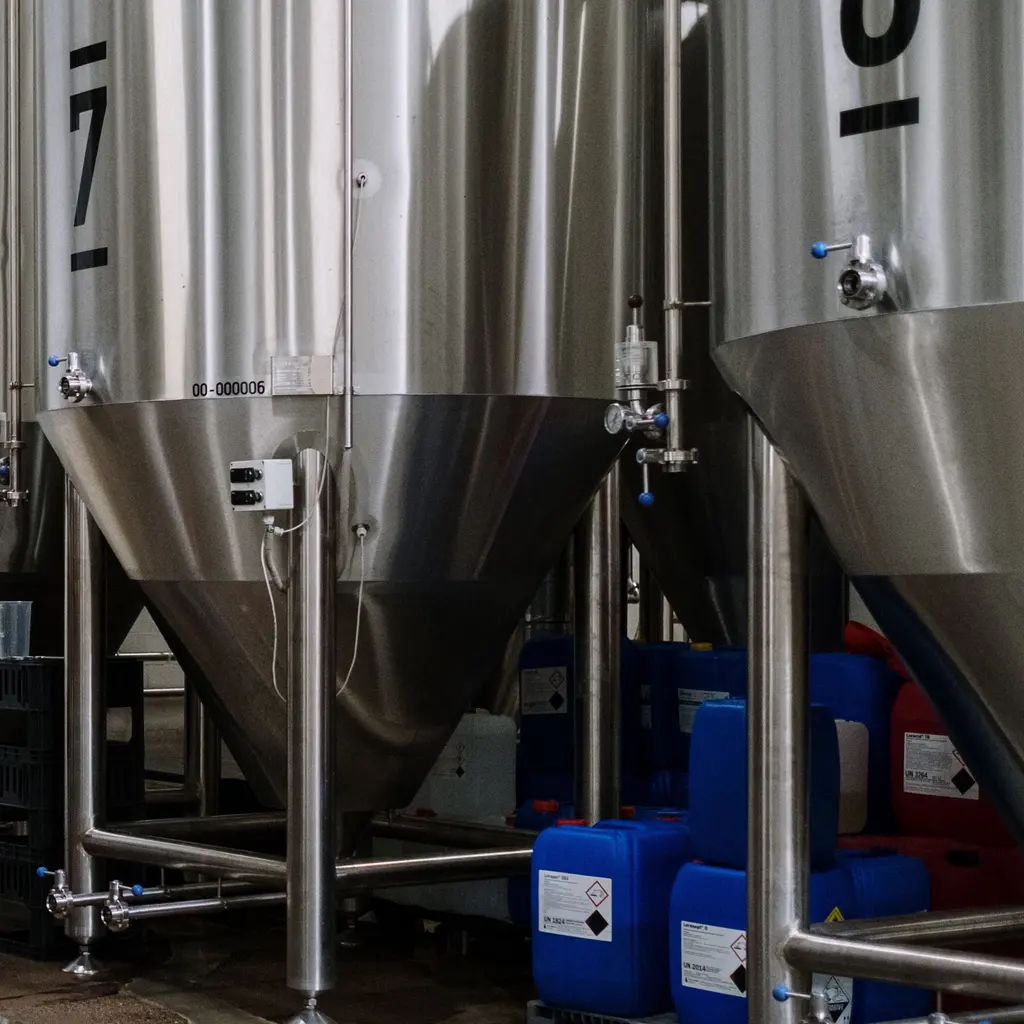
You develop craft drinks and bring them to customers through markets, retailers or a tasting room. Recipe changes and packaging pressure can affect product safety, while alcoholic sampling creates different liability questions from selling a nonalcoholic drink.
The Southern Agency can help you review your production recipes, sales settings, and fermentation equipment to select appropriate insurance, such as liquor liability for your events or equipment breakdown for your canning lines.
Changing recipes or using live-culture fermentation can alter spoilage, pressure and contamination risks. Batch checks and distribution records help identify which products and customers may be affected.
Pouring or sampling alcoholic craft drinks creates liability exposure tied to intoxicated patrons and visitor injuries.
Selling at farmers markets and events extends premises and product liability beyond the home facility.
Improperly sealed or over-carbonated bottles and cans can fail, injure consumers, or require withdrawal from shelves.
Fermentation vessels, refrigeration, and small-scale canning gear are critical, and failure can ruin active batches.
Scaling volume quickly can outpace controls and existing coverage limits as production and distribution grow.
Policies to ask about. Which ones fit depends on your operations, your contracts, and the carrier’s forms.
These hypothetical examples are not agency claim results. Whether a loss is covered depends on the facts, policy terms, and applicable exclusions.
Continued fermentation builds pressure in a kombucha bottle, which fails and injures a customer. Accepted product terms may address covered defense and damages for the drink and package involved. Replacing or withdrawing the remaining bottles requires separate review.
A third party alleges your hard-cider sampling contributed to a patron's later injury-causing incident. Accepted liquor terms may address covered defense and damages. Actual service, state duties and event exclusions matter; a free sample is not a universal exception.
Your farmers-market display tips and injures a passerby, who alleges unsafe setup. General liability may address covered defense and damages where the off-site activity is accepted. Compare setup and venue endorsements; a certificate does not change the policy.
Start with the work you do and the questions your current policies leave unanswered. Carrier options depend on your location, risk, and underwriting. Explore our approach.
Nonalcoholic drinks can create contamination or package-injury allegations. Review actual products and terms.
It can. Off-site sampling and sales extend liability beyond your facility, and any alcoholic product may call for liquor liability, depending on operations and policy terms.
Limits and exposures should be reviewed as volume and channels grow. A regularly reviewed program may help keep coverage aligned, though availability depends on underwriting.
A BOP can bundle property and liability for smaller operations, but product, liquor, and other coverages are often added. The right mix depends on your products and sales.
Review a covered control/cooling event and purchased repair, active-batch stock, and income terms. A failed recipe or ordinary fermentation variation is not automatically insured.
Not always a separate policy, but new products can change your risk. It is wise to review coverage when adding alcoholic or higher-risk items, subject to underwriting.
Bring your questions, current policies, and relevant contracts. An agent can review coverage terms, exclusions, and the information carriers ask for, then explain the options available to you.