

Surgical and anesthesia complications
Operative errors, anesthesia events, and wrong-site or retained-item allegations are high-severity professional liability exposures for a surgical center.
Try a different word, or check the spelling.
Your patient's procedure ends before every question about recovery or discharge instructions is resolved. Professional protection needs to fit follow-up and anesthesia responsibilities, with equipment and premises costs addressed under their own terms.
The Southern Agency can compare your facility and independent-provider roles with the professional, equipment and interruption terms being requested.
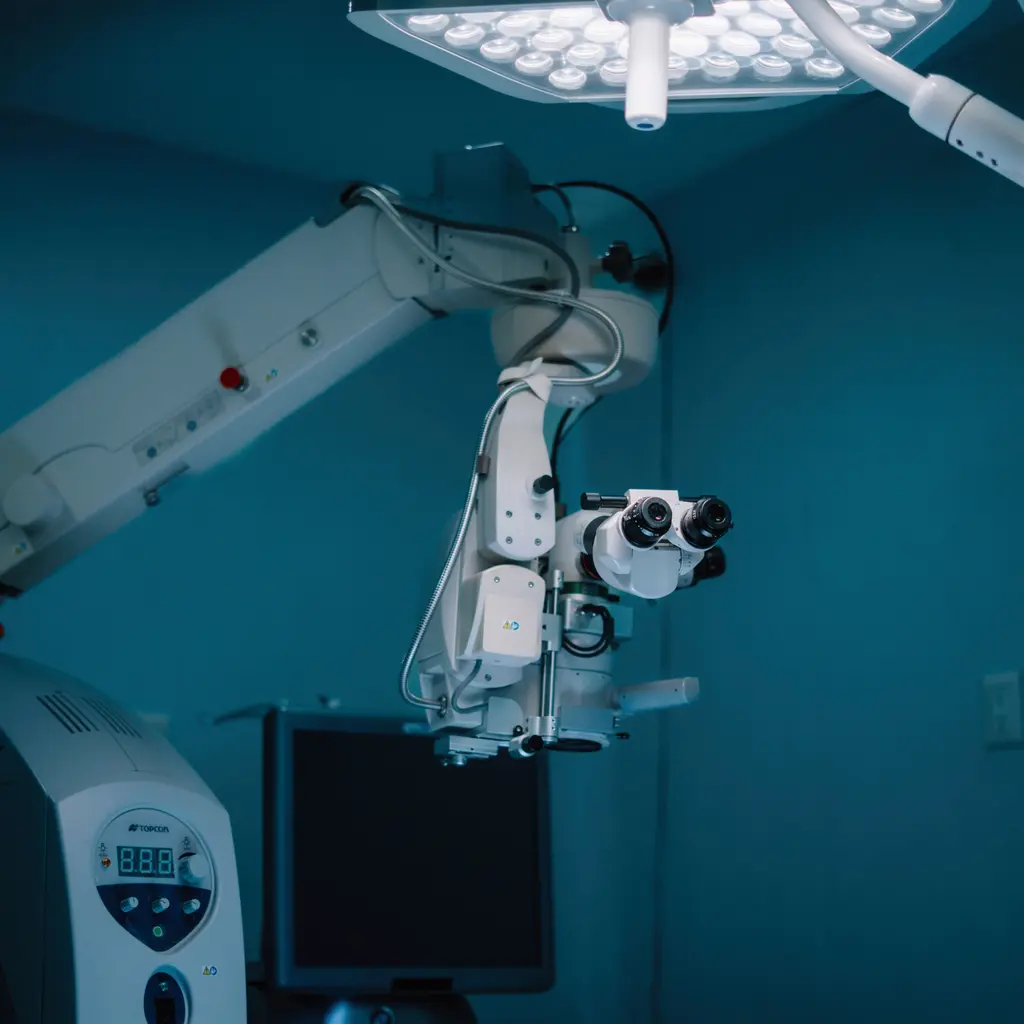
You perform scheduled same-day procedures where patients depend on sterile environments, precise anesthesia administration, and reliable equipment. If a patient experiences a complication, a sterilization failure occurs or a machine malfunctions, your center could face severe clinical and legal scrutiny.
The Southern Agency can review which entities and clinicians handle surgery, anesthesia, recovery and follow-up. We can help compare the professional terms for those responsibilities with equipment and interruption protection, using the actual payer and transfer agreements.
Operative errors, anesthesia events, and wrong-site or retained-item allegations are high-severity professional liability exposures for a surgical center.
Because patients go home the same day, complications can surface after discharge and lead to claims about follow-up and instructions.
A sterilization or aseptic-technique lapse can affect multiple patients and trigger serious claims and regulatory scrutiny.
Anesthesia machines, monitors, and backup power are mission-critical, and a failure mid-procedure can endanger a patient.
The center stores operative records and payment data that can be breached, triggering notification and regulatory costs.
Clinical staff handle sharps and move sedated patients, creating exposure and musculoskeletal injuries that may trigger workers compensation.
Review the actual accreditor, payer, and facility agreements and requested insurance terms. A request does not establish identical mandates, available endorsements, or a compliant program.
Policies to ask about. Which ones fit depends on your operations, your contracts, and the carrier’s forms.
These hypothetical examples are not agency claim results. Whether a loss is covered depends on the facts, policy terms, and applicable exclusions.
A patient develops a complication at home and alleges inadequate recovery assessment or discharge instructions. Accepted professional terms may help with covered defense and damages if the center, provider, service and claim fit. Review surgery, recovery and follow-up responsibility and relevant dates; a complication alone does not prove negligent care or make every provider insured.
An internal mechanical failure stops an autoclave and cases are postponed while it is repaired. Breakdown may help with qualifying machine repair; any income or extra expense depends on the purchased extension, actual loss, waiting time and restoration period. Failed validation, routine service, repeat procedures or patient refunds do not by themselves establish those benefits.
A system intrusion exposes operative and billing records held for the center. Cyber may fund included investigation, response and privacy expenses if the records, system and any provider event fit. Identify actual notice duties, insurer permissions and regulatory-defense terms; the breach alone does not establish every response cost, fine or patient remedy.
Start with the work you do and the questions your current policies leave unanswered. Carrier options depend on your location, risk, and underwriting. Explore our approach.
Compare potential loss, case/anesthesia mix and actual contract requests with accepted medical limits and defense terms. Ordinary umbrella does not automatically sit above medical professional liability.
Because patients go home the same day, complications can surface later. Professional liability may respond to allegations about care and follow-up, depending on the policy, endorsements, exclusions, and facts.
Anesthesia machines, monitors and sterilizers can be central to the day's operating schedule. Compare qualifying internal-failure repairs with any purchased income or extra-expense terms, including waiting time and restoration. Maintenance, failed validation or canceled cases alone do not establish an insured breakdown or earnings loss.
Bring the specific accreditor, payer, and facility agreements for review. A request does not amend a policy or prove every institution has the same mandate; endorsement availability and compliance require individual review.
A covered work-related needlestick may qualify for medical and applicable wage benefits, but identify the actual employer, duties and work state. Employees, independent clinicians and supplied staff can need different assessment. State obligations depend on the facts; an exposure alone does not establish every person's policy protection.
Carriers weigh specialties, anesthesia depth, case volume, equipment, payroll, accreditation, and claims history. Because centers differ, premiums vary and coverage availability depends on underwriting.
Bring your questions, current policies, and relevant contracts. An agent can review coverage terms, exclusions, and the information carriers ask for, then explain the options available to you.