

High-severity emergency malpractice
Treating critically injured patients under time pressure creates potentially serious malpractice allegations.
Try a different word, or check the spelling.
Your trauma team's care may start with a handoff from an air or ground crew you do not operate. Professional and transport terms need to define those responsibilities rather than assume receiving the patient also insures the journey.
The Southern Agency can help review the center, on-call groups and transport handoffs against the clinical and equipment interests you need insured.
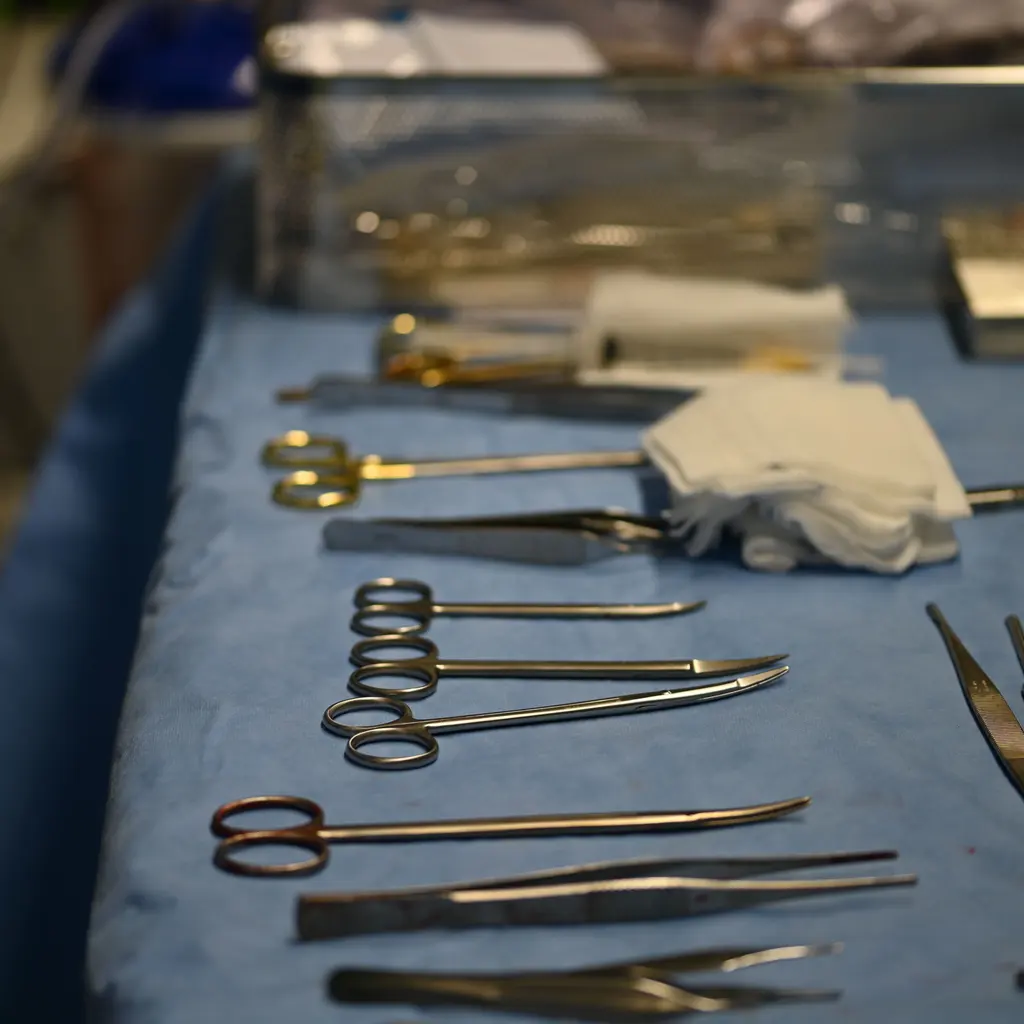
Your trauma center provides critical, around-the-clock care for severe injuries, often requiring immediate surgical intervention and coordination with emergency responders. High-acuity decisions made under pressure can lead to serious malpractice allegations and equipment-dependent operational risks.
The Southern Agency can review your trauma designation, EMS handoffs, and facility surge capacity to help you select appropriate insurance. For example, we can discuss specialized equipment-breakdown coverage for your imaging and life-support systems alongside professional liability for your surgical teams.
Treating critically injured patients under time pressure creates potentially serious malpractice allegations.
Coordinating air and ground transport and receiving handoffs creates potential liability where communication or care continuity breaks down.
Operating rooms, imaging, and life-support equipment must run continuously, and a failure can directly endanger trauma patients.
Around-the-clock readiness and surge events drive intense staff workloads and elevated workers' compensation exposure.
Electronic records and connected monitoring hold sensitive patient data that, if compromised, may create privacy duties and liability depending on actual incident facts.
High traffic of patients, families, and first responders through emergency areas sustains general liability claim potential.
Policies to ask about. Which ones fit depends on your operations, your contracts, and the carrier’s forms.
These hypothetical examples are not agency claim results. Whether a loss is covered depends on the facts, policy terms, and applicable exclusions.
A family alleges that care delivered to a critically injured patient fell short. Professional liability coverage may respond to defense and indemnity, depending on policy terms and the facts of the case. Review actual care/handoff duty and insured clinicians; traumatic outcome alone does not establish negligence.
A power event threatens life-support equipment in trauma bays. Equipment breakdown and property coverage may help with repair and resulting losses, subject to policy terms and exclusions. Distinguish utility event from covered internal breakdown and purchased income/extra expense; interrupted readiness alone is not an insured loss.
A cyberattack disrupts connected monitoring and exposes records. A cyber policy may respond to response and liability costs, depending on the specific policy, endorsements, and exclusions. Review covered system/data event and provider, interruption, and consent terms; device disruption and clinical harm are separate questions.
Start with the work you do and the questions your current policies leave unanswered. Carrier options depend on your location, risk, and underwriting. Explore our approach.
Trauma centers commonly carry professional liability, property, equipment breakdown, cyber, workers' compensation, and substantial excess coverage. The right structure depends on designation and volume, subject to underwriting.
An alleged care or handoff error can involve major injury and long-term costs. Review credible insured losses, defense costs and any shared limits rather than selecting a limit by designation alone. An adverse outcome does not establish negligence, and an excess layer must actually accept medical liability.
Coordinating transport and handoffs adds liability complexity. Professional and general liability terms should reflect those interactions, subject to the specific policy and exclusions.
Review covered internal events, repair and purchased income/extra expense, waiting periods, and restoration duties for life-support/imaging/power systems. Insurance does not guarantee equipment restoration speed or continuous readiness.
Connected monitoring and records hold sensitive data. Cyber coverage may help with breach response and liability if systems are compromised, depending on the specific policy.
General liability commonly responds to non-clinical injuries in emergency and visitor areas, while professional liability addresses care-related claims. Coverage depends on policy terms and underwriting.
Bring your questions, current policies, and relevant contracts. An agent can review coverage terms, exclusions, and the information carriers ask for, then explain the options available to you.