

Pediatric clinical errors
Dosing miscalculations, birth-related injuries, and missed diagnoses in children can cause lifelong harm and drive high-severity professional liability claims.
Try a different word, or check the spelling.
Your board's oversight, the care team's clinical decisions and supervision of young patients are different insured roles. Hospital protection needs to distinguish them rather than assume a management or premises policy covers every pediatric allegation.
Map pediatric services, clinician responsibilities and safeguarding duties alongside the equipment and records supporting care.
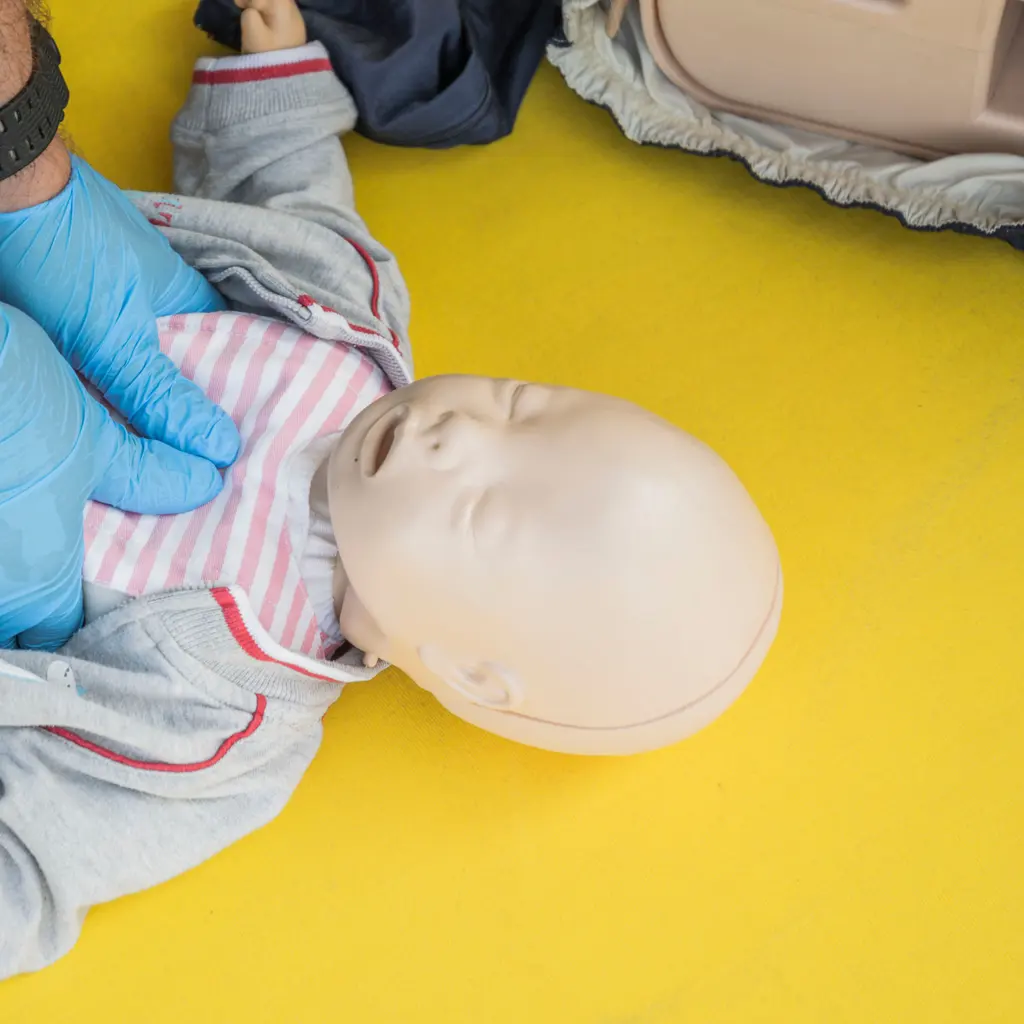
You provide acute care to children, which involves complex medical needs and a heightened duty of care due to the vulnerability of your patients. Errors in a pediatric environment can result in long-term consequences and significant liability.
The Southern Agency can review your pediatric services, clinician arrangements and governance responsibilities with you. We can compare accepted medical, safeguarding and management liability with critical-equipment and data terms, identifying which people, services and institutional duties need to be included.
Dosing miscalculations, birth-related injuries, and missed diagnoses in children can cause lifelong harm and drive high-severity professional liability claims.
Caring for vulnerable children elevates abuse and supervision allegations, requiring strict screening, monitoring, and controls.
As a large, often nonprofit institution with a board, the hospital faces directors and officers exposure over decisions and oversight.
Ventilators, monitors, and imaging systems are critical to pediatric care, and a breakdown can endanger patients and disrupt services.
Fire, storm, or water damage to a large campus can disrupt intensive care, surgery, and emergency services across departments.
The hospital stores vast amounts of protected children's health information that is especially sensitive if breached.
A large clinical and support staff faces injury exposure, and the workforce raises employment-practices and credentialing concerns.
Policies to ask about. Which ones fit depends on your operations, your contracts, and the carrier’s forms.
These hypothetical examples are not agency claim results. Whether a loss is covered depends on the facts, policy terms, and applicable exclusions.
Suppose a family alleges that an inpatient dosing error harmed a child. Medical professional terms may address a covered claim against included hospital and clinician roles for the accepted pediatric service. Review claim and reporting dates; a serious outcome alone does not establish negligence or guarantee payment.
Suppose a claim alleges inadequate supervision of a young patient. Establish whether the allegation concerns treatment, custodial supervision or abuse, and which hospital, clinician or contractor duties are involved. The actual medical, safeguarding and premises grants and exclusions determine possible response; general liability is not the default answer.
Suppose an internal imaging-system failure delays procedures and requires replacement service. Covered breakdown repair and purchased income or extra-expense terms may address eligible costs. Establish the equipment event and actual loss; delayed procedures, maintenance and patient-injury allegations are separate questions.
Start with the work you do and the questions your current policies leave unanswered. Carrier options depend on your location, risk, and underwriting. Explore our approach.
Review the actual age groups, acuity, procedures and supervision duties, including employed and outside clinicians. Long-term injury allegations, safeguarding and the board's oversight require different accepted roles and terms. A children's hospital label does not itself establish broader insurance than another medical facility.
Caring for children elevates abuse and supervision allegations, which can be severe and costly. Coverage may be available through liability policies or specific endorsements, depending on the policy and how it is written.
Large institutions with governing boards often add directors and officers coverage for governance and oversight liability. Whether it is needed depends on the structure and how the organization is run.
It may respond to allegations such as dosing errors, surgical, or birth-related injuries, and missed diagnoses in children. Whether a claim is covered depends on the policy, endorsements, exclusions, and circumstances.
Ventilators, monitors, and imaging are critical to pediatric patients, and a failure can endanger care. Equipment breakdown coverage may help with repair and lost income, subject to policy terms and exclusions.
Carriers weigh services, bed count, campus size, equipment, payroll, structure, data practices, and claims history. Because hospitals differ, premiums vary and coverage availability depends on underwriting.
Bring your questions, current policies, and relevant contracts. An agent can review coverage terms, exclusions, and the information carriers ask for, then explain the options available to you.