

Misdiagnosis and triage errors
Treating unfamiliar walk-in patients quickly raises the risk of missed fractures, misdiagnosis, or failure to refer, a central professional liability exposure.
Try a different word, or check the spelling.
Your walk-in patient may see one provider and need a diagnostic callback from another. Professional protection needs to fit employed, contracted, and rotating clinicians, including the actual follow-up duties and reporting terms.
Bring provider rosters, after-hours result responsibilities and the actual imaging, lab and records-provider agreements.
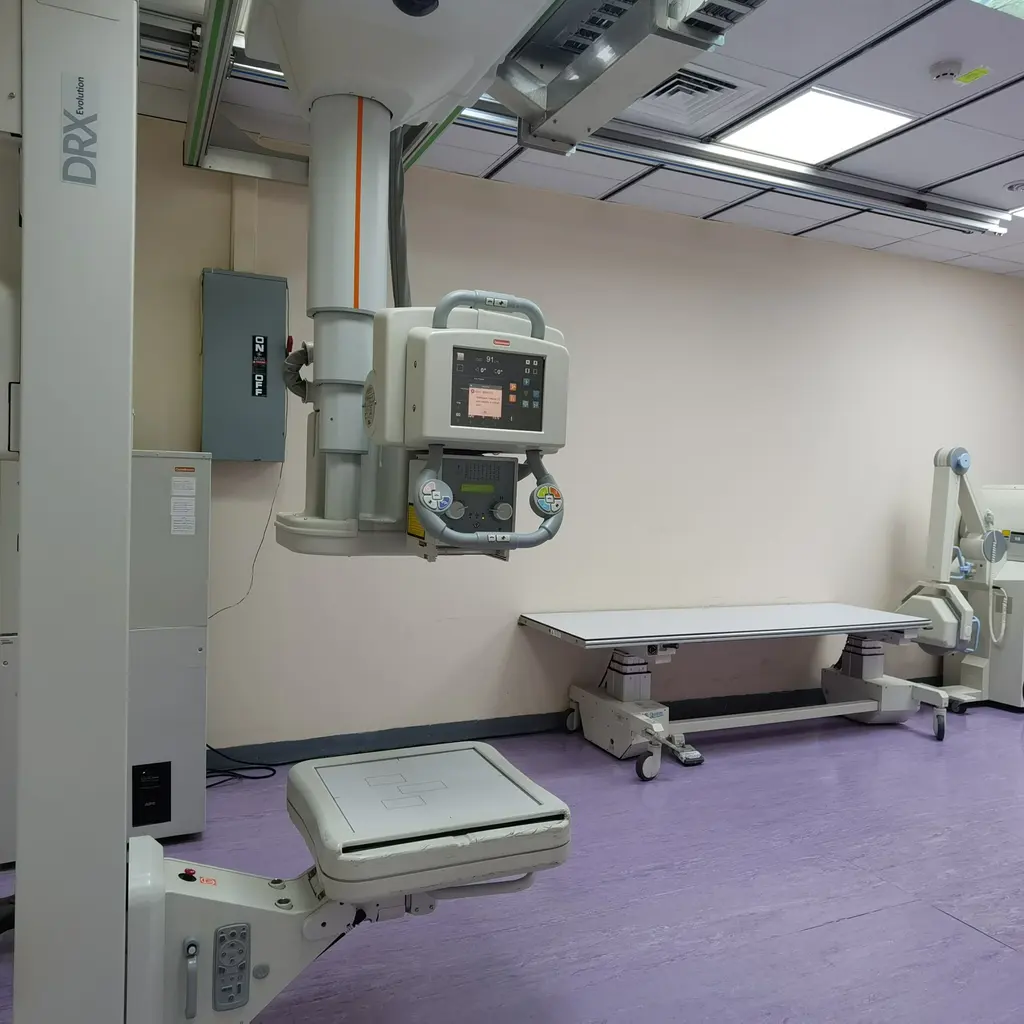
You provide unscheduled treatment for acute conditions, often using clinicians who rotate between shifts or locations. Diagnostic callbacks and referrals can require follow-up after the visit; an injury in the waiting room raises a separate premises question.
The Southern Agency can review your provider mix, diagnostics, and patient volume to help you select appropriate insurance. For example, we can discuss coverage for your on-site X-ray equipment and professional liability that accounts for after-hours callbacks.
Treating unfamiliar walk-in patients quickly raises the risk of missed fractures, misdiagnosis, or failure to refer, a central professional liability exposure.
High walk-in volume through the lobby and treatment areas increases slip, trip, and fall exposure for patients and visitors.
Electronic records and payment processing across locations make the clinic a target, and a breach can trigger notification and regulatory costs.
On-site X-ray, point-of-care labs, and exam equipment can break down, interrupting care during peak walk-in hours.
Rotating physicians, mid-levels, and part-time staff can give rise to employment-practices claims and credentialing concerns.
Clinical staff handle sharps, specimens, and infectious patients, creating injury and exposure risks that may trigger workers compensation.
Policies to ask about. Which ones fit depends on your operations, your contracts, and the carrier’s forms.
These hypothetical examples are not agency claim results. Whether a loss is covered depends on the facts, policy terms, and applicable exclusions.
Suppose a patient alleges that a fracture was missed during a walk-in visit. Review triage, image interpretation and callback duties, including any outside radiologist. Medical professional response depends on the accepted services, actual insured clinician and clinic, and claim reporting—not simply the missed diagnosis allegation.
Suppose an incident at a shared records provider exposes data from several sites. Cyber terms may address the covered provider event and eligible response costs for included entities. A policy held by one clinic does not automatically include every affiliate or location using the platform.
Suppose an internal imaging-system failure interrupts weekend diagnostics. Check whether the actual equipment and breakdown are accepted and whether income or extra expense was purchased. Property limits alone do not establish breakdown cover, and lost appointments or a software issue do not themselves prove the required damage.
Start with the work you do and the questions your current policies leave unanswered. Carrier options depend on your location, risk, and underwriting. Explore our approach.
Describe actual unscheduled volume, procedures, diagnostics, and staffing. Physician offices may perform the same services; the label does not establish higher risk, eligibility or automatically different policy terms.
Yes, they address different risks. Professional liability may respond to clinical malpractice allegations, while general liability addresses premises injuries like a waiting-room fall. Many clinics carry both.
Coverage for contracted or locum providers depends on how the professional liability policy is written and who is named. It is important to confirm credentialing and coverage terms for every clinician who treats patients.
Cyber liability coverage may help with notification, regulatory, and recovery costs after a breach of patient or payment data. Whether a loss is covered depends on the policy, endorsements, and exclusions.
Staff face needlestick, exposure, and lifting injuries, so workers compensation is commonly needed and often required for employees. Requirements vary by state and the size of the workforce.
Carriers weigh services, patient volume, hours, provider mix, locations, equipment, and data practices, along with claims history. Because clinics differ, premiums vary and coverage availability depends on underwriting.
Bring your questions, current policies, and relevant contracts. An agent can review coverage terms, exclusions, and the information carriers ask for, then explain the options available to you.