

Resident elopement
A resident who leaves a secured area unnoticed may be unable to find their way back or avoid hazards. An injury can lead to allegations about supervision and the response to alarms.
Try a different word, or check the spelling.
Your residents depend on more than a secured door. Review insurance around the supervision and hands-on dementia care your team actually provides.
The Southern Agency can help you align your security, supervision, and care-plan protections.
You provide daily care for residents living with dementia, including people who may wander or struggle to explain an injury. A missed alarm, a fall or a medication error can bring questions about the care plan and your team's response.
The Southern Agency can help you review your residents' needs, staffing and supervision arrangements against appropriate insurance. We can discuss liability for care and abuse allegations separately from the protection available for damaged property or a qualifying alarm-system breakdown.
A resident who leaves a secured area unnoticed may be unable to find their way back or avoid hazards. An injury can lead to allegations about supervision and the response to alarms.
Disorientation increases falls and wandering into hazards, frequently leading to professional and general liability claims.
Agitation and sundowning can lead to altercations or injuries among residents, creating supervision and liability exposure.
Communication barriers make reliable incident records important; abuse, neglect, and innocent-insured defense terms need specific review.
Managing complex medications and behavioral care plans creates liability if a mistake harms a resident under supervision.
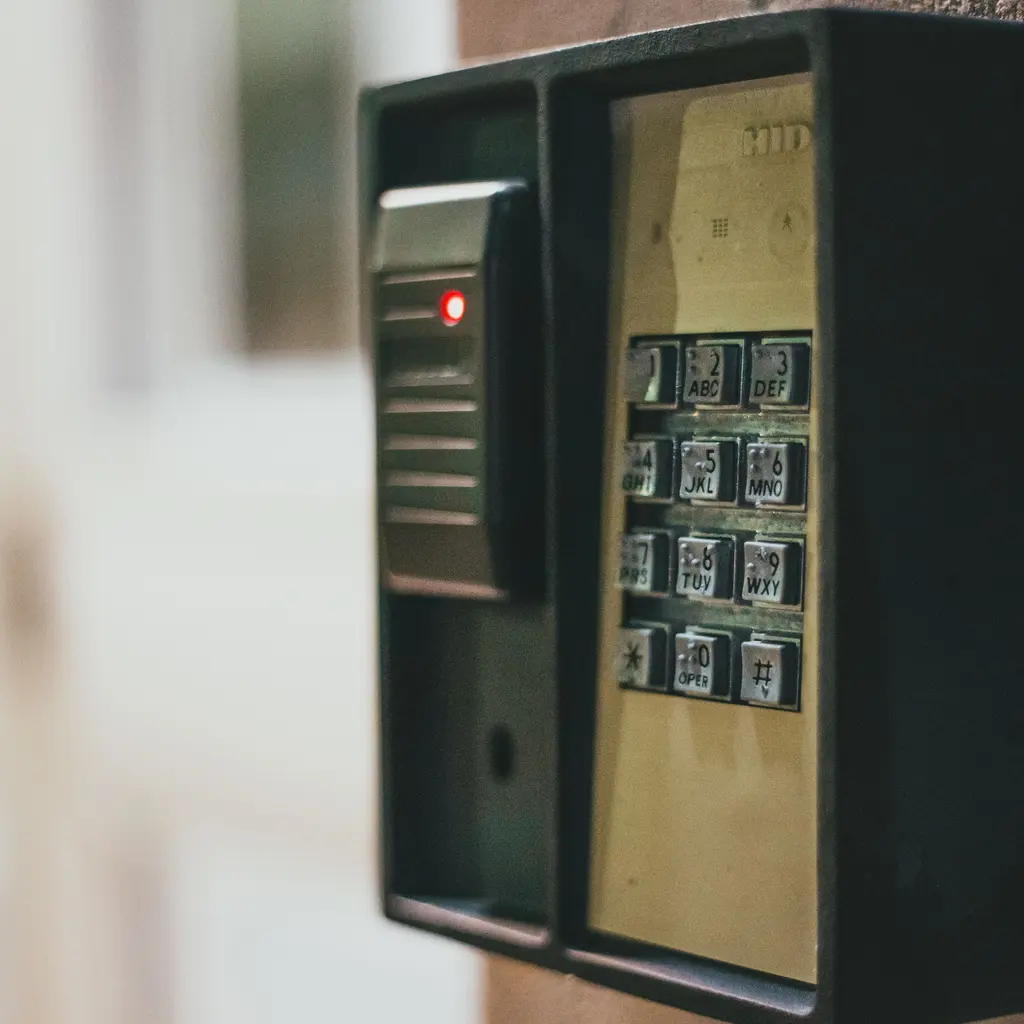
Door alarms, locks, and monitoring systems are critical, and failures can compromise resident safety and disrupt operations.
Hands-on dementia care involves lifting, transfers, and managing behaviors, driving workers' compensation and employment exposure.
Policies to ask about. Which ones fit depends on your operations, your contracts, and the carrier’s forms.
These hypothetical examples are not agency claim results. Whether a loss is covered depends on the facts, policy terms, and applicable exclusions.
A resident leaves through an unsecured door and is injured outside. A claim may question both the care plan and the alarm response. Review professional and general liability terms for those allegations; a failed lock does not automatically establish coverage for the resident's injury.
A disoriented resident falls during an evening episode of agitation and the family alleges inadequate assistance. Professional liability may address covered defense and liability for the insured care duties. The care plan, incident record and reporting terms matter; dementia alone does not establish negligence.
An internal electrical failure disables an accepted door-alarm system, requiring temporary monitoring. Equipment breakdown may help with covered repairs and included extra expenses. An outage or vendor replacement contract alone does not establish that protection.
Start with the work you do and the questions your current policies leave unanswered. Carrier options depend on your location, risk, and underwriting. Explore our approach.
Memory care communities commonly consider professional liability, general liability, property, workers' compensation, and equipment breakdown coverage. The right mix depends on acuity and security design, subject to underwriting.
A cognitively impaired resident leaving a secured area can suffer serious harm, leading to high-severity claims. Professional and general liability coverage may respond, depending on the facts and policy terms.
Describe dementia services, actual unit security, and staffing. Assisted-living communities can provide the same memory services; the names do not establish separate insured operations or a universal severity ranking.
Door alarms and monitoring are central to resident safety, and equipment breakdown coverage may help restore failed systems and limit disruption, depending on policy terms.
Keep timely incident and care records and report allegations as the policy requires. Review abuse and neglect definitions, defense terms and protection for insured people not involved in alleged misconduct. A resident's difficulty recalling an event does not determine coverage or remove the need to investigate.
Lifting and managing behaviors expose caregivers to injury, making workers' compensation important, with costs depending on payroll, duties, and prior claims.
Bring your questions, current policies, and relevant contracts. An agent can review coverage terms, exclusions, and the information carriers ask for, then explain the options available to you.