

Clinical care and standard-of-care liability
Medication errors, infections, pressure injuries, and clinical judgment are core professional liability exposures for high-acuity residents.
Try a different word, or check the spelling.
A resident's care does not begin and end at your door. Review who accepts medication, wound-care and rehabilitation duties during hospital transfers.
The Southern Agency can help you review clinical responsibilities, facility systems and the separate insurance questions raised by survey findings.
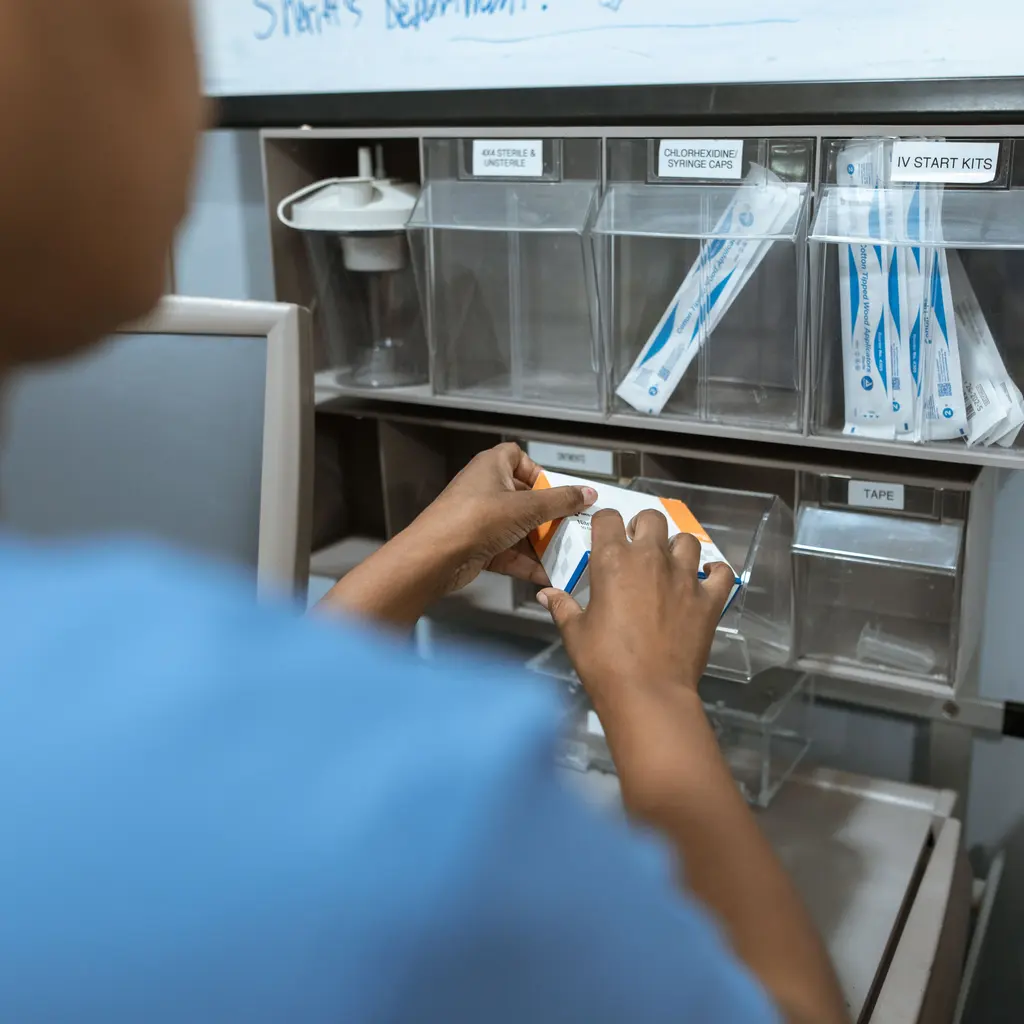
You provide skilled nursing and rehabilitation to residents who may need complex medication, wound care and help moving safely. An injury allegation can involve clinical duties across a hospital transfer, while a survey citation creates separate response and compliance work.
The Southern Agency can help you review your staffing and care documentation to select appropriate insurance. For example, we can discuss how your hospital-transfer and rehabilitation handoffs influence your professional liability and general liability needs.
Medication errors, infections, pressure injuries, and clinical judgment are core professional liability exposures for high-acuity residents.
A fall during a transfer or assisted movement can prompt injury and care-plan allegations. Clinical duties and premises conditions can raise different liability questions.
Allegations involving dependent residents can name the facility, staff or outside providers. Review abuse and neglect definitions, defense conditions, exclusions and sublimits rather than assuming ordinary clinical liability accepts every allegation.
Facilities participating in Medicare or Medicaid face applicable conditions of participation and surveys. Citations, correction costs, repayment demands and resident-injury claims are different matters; a malpractice policy does not establish payment for them all.
Lifting, transferring, and turning residents exposes nurses and aides to injuries that drive workers' compensation costs.
Failures of HVAC, generators, or medical systems in a 24-hour facility can threaten resident safety and force relocation.
Electronic medical records create breach and HIPAA liability if resident information is compromised.
Policies to ask about. Which ones fit depends on your operations, your contracts, and the carrier’s forms.
These hypothetical examples are not agency claim results. Whether a loss is covered depends on the facts, policy terms, and applicable exclusions.
A family alleges a medication administration error harmed a resident. Professional liability may address covered defense and damages for accepted services. Identify the responsible provider, insured entity and reporting terms; the allegation does not establish payment for every regulatory or treatment expense.
A backup generator suffers an internal failure during a utility outage, threatening medical systems. Breakdown may address an accepted generator repair. Review the actual cause and purchased extra-expense terms separately; precautionary relocation alone does not establish a covered loss.
A cyberattack exposes resident medical records. Cyber may address covered forensic and notification costs under the incident and consent terms. Establish the actual notification duties; billing recoupment and regulatory fines need separate review rather than being treated as ordinary breach-response costs.
Start with the work you do and the questions your current policies leave unanswered. Carrier options depend on your location, risk, and underwriting. Explore our approach.
These facilities commonly consider professional liability, general liability, property, workers' compensation, equipment breakdown, and cyber coverage. The right mix depends on acuity and services, subject to underwriting.
Residents may rely on several providers for medication, wound care and rehabilitation. A claim can concern the care delivered, a missed instruction or a handoff. Confirm which services, providers and reporting periods the professional policy accepts rather than relying on premises liability.
Skilled nursing provides licensed clinical care to high-acuity residents, raising both the professional liability and regulatory profile, depending on operations and underwriting.
Generators, HVAC, and medical systems can be critical to resident survival, and equipment breakdown coverage may help restore them and limit disruption, depending on policy terms.
Facilities hold extensive electronic medical records, so cyber coverage may help with breach response and HIPAA liability if data is exposed, depending on the specific policy.
Lifting and transferring residents exposes staff to injury, making workers' compensation important, with costs depending on payroll, duties, and prior claims experience.
Bring your questions, current policies, and relevant contracts. An agent can review coverage terms, exclusions, and the information carriers ask for, then explain the options available to you.