

Equipment damage in transit and off-site
Owned devices spend most of their time in vehicles and at client sites, exposed to damage, theft, and loss away from the company's premises.
Try a different word, or check the spelling.
You may install and service a leased device as well as deliver it. Liability needs to fit those duties, while ownership of equipment at a patient's home calls for different protection from the delivery van.
The Southern Agency can help you protect your valuable assets and liability exposures at client sites.
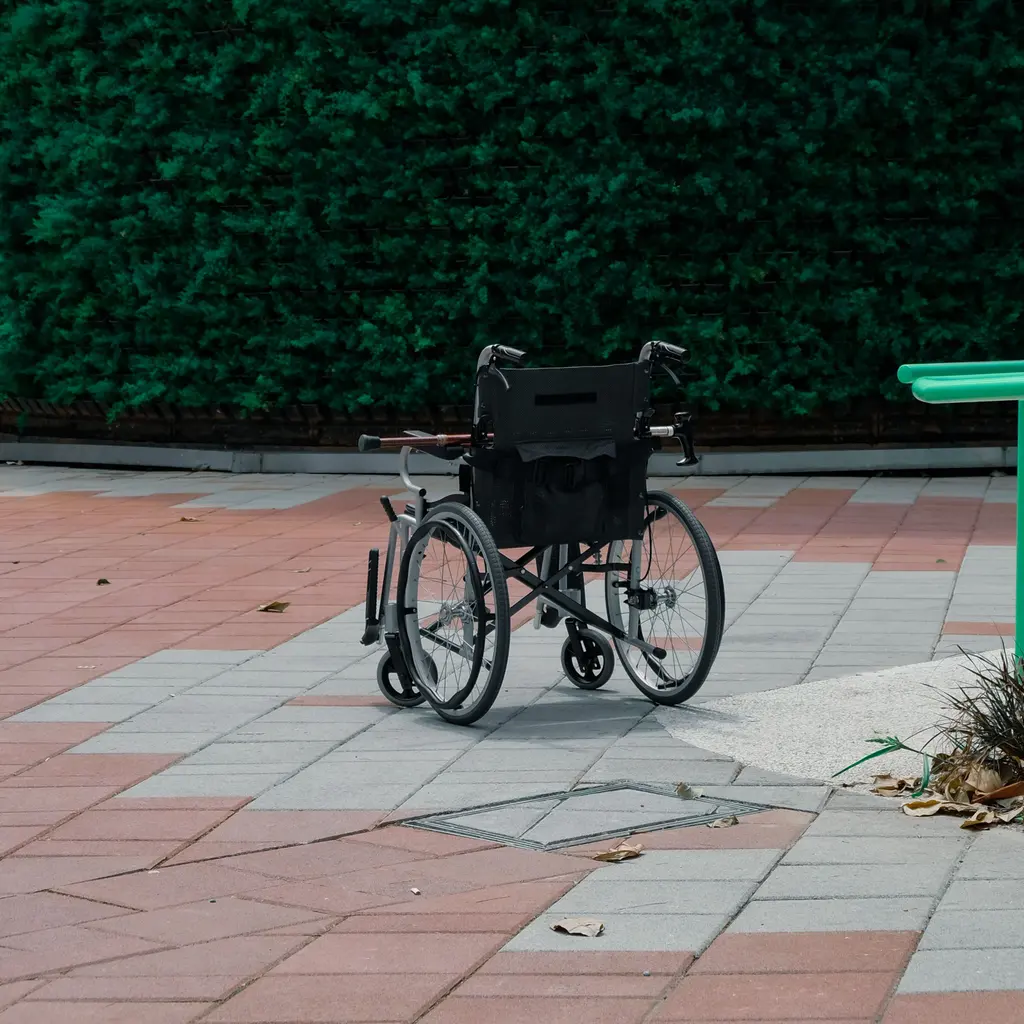
Your business rents medical devices to facilities and patients, where a device failure or a delivery accident can expose you to liability even when the equipment is off-site. Managing inventory in transit and at client locations creates a constant risk of asset damage or loss.
The Southern Agency can review your leasing contracts and delivery operations to help select appropriate insurance. We can discuss inland marine coverage for your equipment in transit and product liability for your leased devices.
Owned devices spend most of their time in vehicles and at client sites, exposed to damage, theft, and loss away from the company's premises.
A leased device alleged to have malfunctioned or contributed to patient harm can lead to product liability claims against the lessor.
Trucks and vans moving heavy equipment between the warehouse and client locations create auto liability and cargo loss exposure.
Technicians installing and maintaining equipment at client sites face lifting injuries, travel accidents, and third-party property damage.
Lease agreements often impose limits, additional-insured status, and responsibility shifts that the company must meet.
Concentrated, high-value inventory stored between rentals is exposed to fire, water, and theft losses.
Client billing records and data from connected devices create crime and cyber exposure if compromised.
Policies to ask about. Which ones fit depends on your operations, your contracts, and the carrier’s forms.
These hypothetical examples are not agency claim results. Whether a loss is covered depends on the facts, policy terms, and applicable exclusions.
An imaging unit is damaged in a delivery-vehicle accident. Inland marine may address the included device's insured transit loss, while auto terms address covered road liability and selected vehicle damage. Do not assume the van's physical-damage limit pays for the unit aboard.
A patient-injury claim alleges a leased infusion pump malfunctioned. Product liability may address covered defense and damages if the device and use are accepted. Review any installation or servicing allegation separately; replacing the pump or refunding rent is not the same loss.
A fire damages devices awaiting rental. Property may address insured inventory at the agreed valuation. Rental income lost during restoration needs purchased income terms, including its trigger and limits, rather than following automatically from the stock payment.
Start with the work you do and the questions your current policies leave unanswered. Carrier options depend on your location, risk, and underwriting. Explore our approach.
These companies commonly consider inland marine, product liability, property, auto, and general liability coverage. The right mix depends on the equipment and logistics, subject to underwriting.
Leased equipment spends most of its time in transit and at client sites, where standard property coverage may not reach. Inland marine may help protect mobile assets, depending on the specific policy.
A lessor can face claims that a leased device malfunctioned or contributed to harm. Product liability coverage may respond, depending on the specific policy, endorsements, and facts.
Bring actual limits, additional-insured, and maintenance/damage obligations before signing. Endorsements and insurer acceptance—not a certificate or lease clause alone—determine cover; loss-of-rent/replacement guarantees need separate review.
Moving heavy equipment creates auto and cargo exposure, so business auto coverage is commonly needed, with costs depending on vehicles, drivers, and how equipment is transported.
If you store client billing records or manage data from connected devices, cyber coverage may help with breach response if systems are compromised, depending on the specific policy.
Bring your questions, current policies, and relevant contracts. An agent can review coverage terms, exclusions, and the information carriers ask for, then explain the options available to you.