

Testing and reporting errors
A mislabeled specimen, analyzer error, or wrong result can drive misdiagnosis allegations even when the lab never sees the patient.
Try a different word, or check the spelling.
Your specimen's physical value is not the same as the diagnostic information a clinician needs from it. Transit, testing, and records protection need distinct terms, without assuming a courier loss pays for clinical harm or retesting.
The Southern Agency can help you coordinate professional liability and equipment protection for your diagnostic testing.
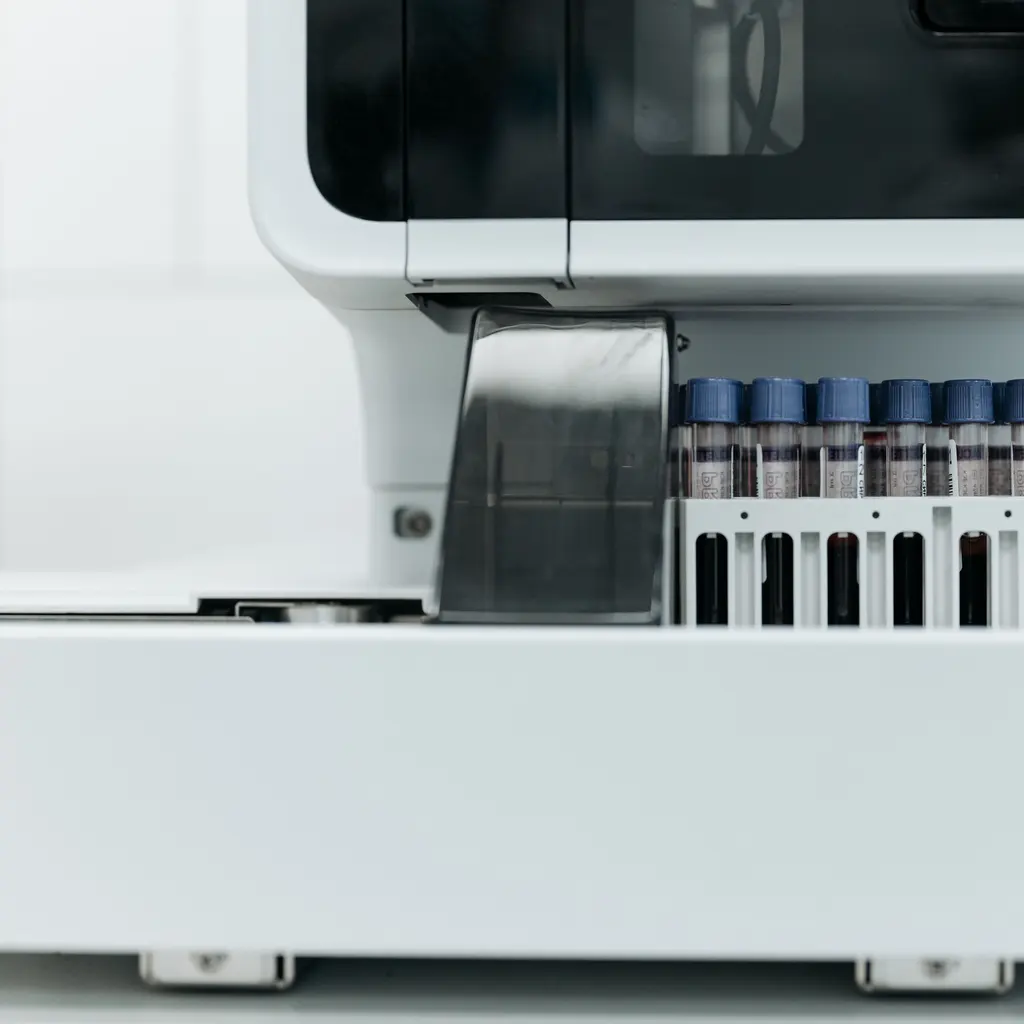
Your lab processes specimens to provide critical diagnostic results, where an analyzer breakdown or a mislabeled sample can lead to a medical error. Your reliance on complex testing systems and chemical management creates unique operational and environmental exposures.
The Southern Agency can review your specimen-handling procedures and diagnostic-device needs to help select appropriate insurance. We can discuss professional liability for test accuracy and equipment breakdown for your analyzers.
A mislabeled specimen, analyzer error, or wrong result can drive misdiagnosis allegations even when the lab never sees the patient.
Collecting and couriering specimens creates risk of loss, mix-up, or contamination before testing is complete.
Costly, continuously running instruments can fail, delaying results and disrupting clinician and patient care.
Reagents, solvents, and biohazardous waste create environmental and exposure liability that requires careful handling and disposal.
Labs store large volumes of test results and patient identifiers that can be breached or improperly disclosed.
Technologists handle blood, tissue, and chemicals daily, creating injuries and exposures that may trigger workers compensation.
Portable collection gear and specimens in transit can be damaged or lost away from the lab's premises.
Policies to ask about. Which ones fit depends on your operations, your contracts, and the carrier’s forms.
These hypothetical examples are not agency claim results. Whether a loss is covered depends on the facts, policy terms, and applicable exclusions.
A clinician alleges a reporting error led to a delayed diagnosis. A professional liability policy may respond to defense and indemnity, depending on the specific policy, endorsements, exclusions, and facts. Review result-release/correction and clinician reliance, accepted tests, and reporting terms; delay alone does not prove covered negligence.
A primary analyzer fails and testing backs up. Equipment breakdown and related coverage may help with repair and lost income, subject to policy terms and the circumstances. Check covered analyzer event and purchased income/extra expense, waiting/restoration, and outsourced-test costs.
A courier loses a batch of specimens before processing. Inland marine and professional coverage may respond depending on the policy, endorsements, and the facts of the loss. Separate insured specimen value/cause from recollection/retesting fees and covered professional harm; neither line automatically pays all three.
Start with the work you do and the questions your current policies leave unanswered. Carrier options depend on your location, risk, and underwriting. Explore our approach.
Specimen identity, testing, release and corrected reports can affect clinical decisions even if you never see the patient. Compare accepted tests and reporting duties with professional harm terms. Physical sample value, recollection costs and fees returned for a delayed result are different losses.
Check insured specimen property/values, courier, and temperature causes and locations. Recollection/retesting, diagnostic injury and physical sample loss have different terms; do not assume inland marine or professional cover pays all costs.
Labs handle reagents, solvents, and biohazardous waste. Environmental liability may respond to claims or cleanup tied to that handling and disposal, depending on the specific policy and the facts.
Analyzers run continuously and are costly to repair, and a failure delays results. Equipment breakdown coverage may help with repair and lost income, subject to policy terms and exclusions.
Staff handle blood, tissue, and chemicals daily, so workers compensation is commonly needed and often required for employees. Requirements vary by state and the size of the workforce.
Carriers weigh the test menu, specimen volume, equipment values, waste practices, payroll, and claims history. Because labs differ widely, premiums vary and coverage availability depends on underwriting.
Bring your questions, current policies, and relevant contracts. An agent can review coverage terms, exclusions, and the information carriers ask for, then explain the options available to you.