

Misdiagnosis and treatment claims
Allegations of misdiagnosis, delayed diagnosis, or prescribing errors are the central professional liability exposure for any medical practice.
Try a different word, or check the spelling.
Your landlord or payer may ask for insurance limits, but that request does not identify every clinician or service needing professional protection. An office package needs to be considered alongside your specialty, patient records, and actual staff arrangements.
The Southern Agency can help you match your office insurance to the size and specialty scope of your medical practice.
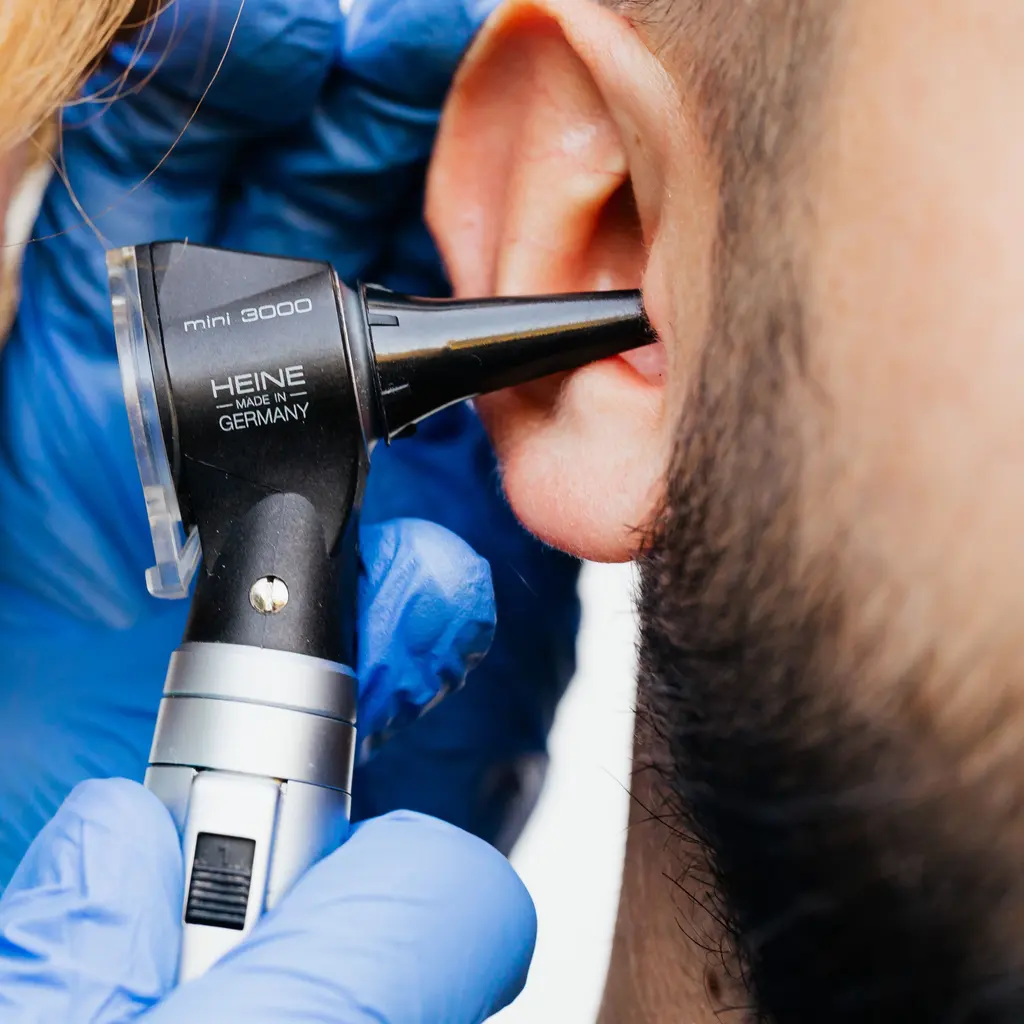
You deliver examinations and diagnosis in a private office setting where your staff manages patient records and clinical visits. If a misdiagnosis allegation arises or a visitor slips in your waiting area, your practice could incur significant defense and operational costs.
The Southern Agency can review your actual specialties, office procedures and provider arrangements with you. We can compare eligible office property and premises packages with separate professional, patient-data and employee protection.
Allegations of misdiagnosis, delayed diagnosis, or prescribing errors are the central professional liability exposure for any medical practice.
Patients and family members in waiting rooms and exam areas create slip, trip, and fall exposure for the office.
Electronic health records and payment processing make even a small practice a target for data breaches and notification costs.
Fire, water, or theft can damage exam equipment, computers, and office contents the practice depends on to operate.
Clinical and front-desk staff face needlestick and lifting risks, and a small workforce can give rise to employment-practices claims.
Landlords and payer contracts often require the practice to maintain specific coverages and limits.
Policies to ask about. Which ones fit depends on your operations, your contracts, and the carrier’s forms.
These hypothetical examples are not agency claim results. Whether a loss is covered depends on the facts, policy terms, and applicable exclusions.
A patient alleges a condition was diagnosed too late after several office visits. A professional liability policy may respond to defense and indemnity, depending on the specific policy, endorsements, exclusions, and facts. Review follow-up/referral duty, provider/practice insureds, and related-claim timing; delay alone does not establish negligence.
An elderly patient slips in the waiting area and is injured. General liability or a business owners policy may respond to a covered bodily-injury claim, subject to policy terms and the circumstances. Distinguish ordinary premises condition from clinical assistance/treatment and relevant exclusions.
Patient records are exposed in a breach. Cyber liability coverage may help with notification and recovery costs, depending on the policy, endorsements, and exclusions. Check covered data event, vendors, and purchased response/notification; a small office has no automatic exemption or blanket cyber benefit.
Start with the work you do and the questions your current policies leave unanswered. Carrier options depend on your location, risk, and underwriting. Explore our approach.
Practices commonly carry professional liability, property and general liability, cyber, and workers compensation, often bundling some through a business owners policy. The right mix depends on specialty and size, subject to underwriting.
A business owners policy can bundle property and general liability efficiently for a small office. Whether it fits depends on the practice's size, services, and equipment, and professional liability is typically carried separately.
Even small practices store electronic health records and process payments, so a breach can be costly. Cyber liability may help with notification and recovery, depending on the policy, endorsements, and exclusions.
Compare actual appointment/walk-in care, procedures, diagnostics, and provider staffing. Volume or a physician-office label alone does not separate it from urgent care or establish eligibility, policy terms, or limits.
Clinical and front-desk staff face needlestick and lifting risks, making workers' compensation commonly needed and often required for employees. Requirements vary by state and the number of staff.
Carriers weigh specialty, in-office procedures, staff count, patient volume, equipment, data practices, and claims history. Because practices differ, premiums vary and coverage availability depends on underwriting.
Bring your questions, current policies, and relevant contracts. An agent can review coverage terms, exclusions, and the information carriers ask for, then explain the options available to you.