

Vascular access and treatment complications
Infections, clotting, bleeding, or improper fluid removal during dialysis can seriously harm fragile patients and drive professional liability claims.
Try a different word, or check the spelling.
A water-treatment issue can involve more than the dialysis machine beside one chair. Your equipment and clinical protection need to address shared purification systems, with waste and interruption costs considered separately.
Identify stations sharing water or power systems, accepted clinical duties and plans for interrupted treatment.
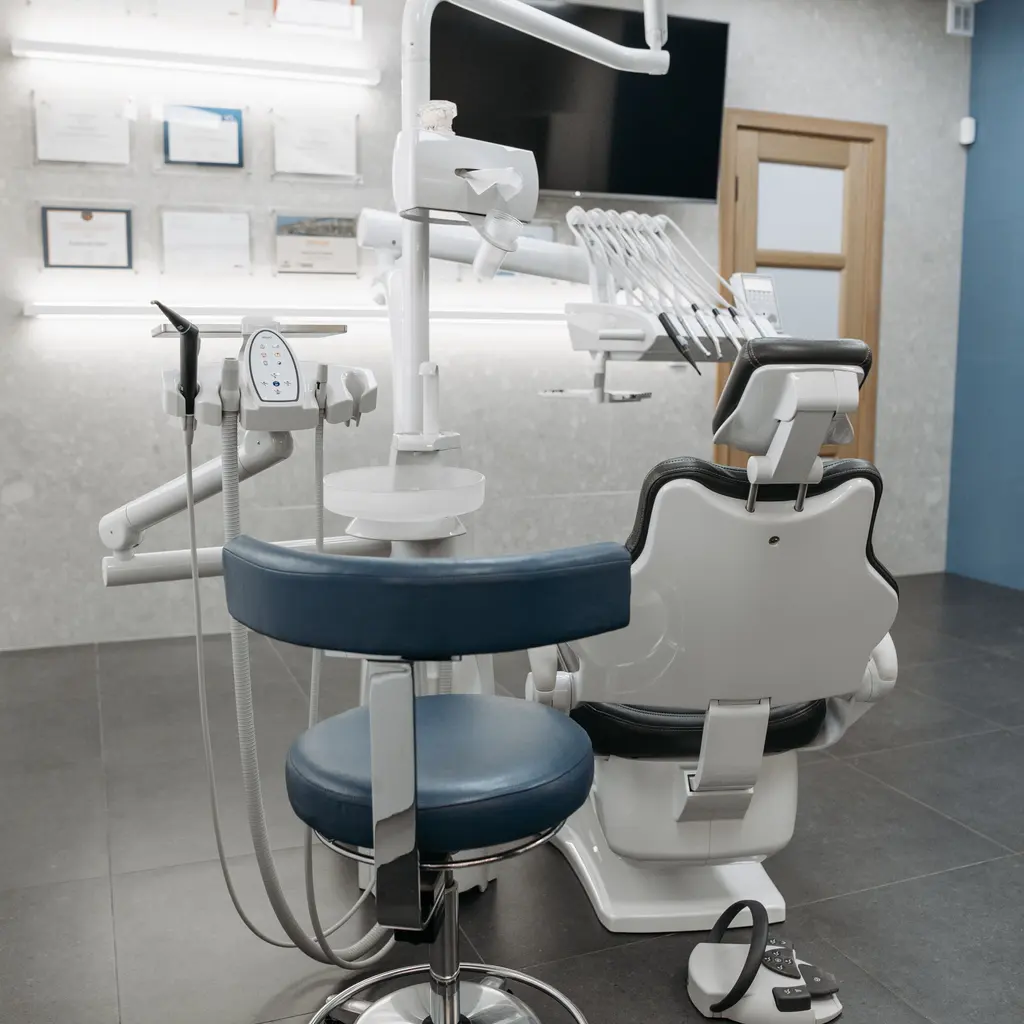
You provide repeat, long-term renal treatment that relies heavily on complex machinery and treated water systems. Patient safety is highly dependent on both clinical accuracy and the integrity of your medical equipment.
The Southern Agency can review your treatment services and water-purification equipment to help you select insurance. We can compare professional liability for accepted patient care with breakdown protection for qualifying equipment failures and any available interruption benefits.
Infections, clotting, bleeding, or improper fluid removal during dialysis can seriously harm fragile patients and drive professional liability claims.
Failure or contamination of the reverse-osmosis water treatment that feeds dialysis machines can directly endanger patients across the clinic.
Machines are essential and costly, and a breakdown can interrupt scheduled treatments that patients cannot safely postpone.
Blood, dialysate, sharps, and disinfection chemicals create biohazard and environmental exposures requiring careful handling and disposal.
Weak, post-treatment patients moving through the clinic raise slip and fall exposure beyond the treatment area itself.
Technicians and nurses work with blood and sharps every shift, creating needlestick and exposure injuries that may trigger workers compensation.
Continuous treatment records and recurring billing for chronic patients hold protected health and payment data that can be breached.
Policies to ask about. Which ones fit depends on your operations, your contracts, and the carrier’s forms.
These hypothetical examples are not agency claim results. Whether a loss is covered depends on the facts, policy terms, and applicable exclusions.
Suppose a patient alleges that improper access-site care caused an infection. Medical professional terms may address a covered claim involving accepted dialysis services and included clinicians or clinic entities. Review the actual care allegation and reporting dates; infection alone does not prove negligence or guarantee payment.
Suppose an internal reverse-osmosis system failure halts treatment across several stations. Compare the covered equipment event with repair, waiting periods and purchased income or alternate-service expenses. A water-quality alert or precautionary closure alone does not establish insured breakdown, even when patients need another treatment site.
Suppose a waste-handling incident prompts a regulator's allegation and cleanup demand. Environmental response depends on an accepted pollution condition, location and claim or cleanup grant. Routine disposal, upgrades and every regulatory fine are separate from eligible defense or remediation costs.
Start with the work you do and the questions your current policies leave unanswered. Carrier options depend on your location, risk, and underwriting. Explore our approach.
Clinics commonly carry professional and general liability, property, equipment breakdown, environmental, workers compensation, and cyber coverage. The right mix depends on station count, equipment, and waste handling, subject to underwriting.
Dialysis machines and water-treatment systems are essential to safe treatment, and a failure can halt care patients cannot safely delay. Equipment breakdown coverage may help with repair and lost income, depending on policy terms.
Dialysis generates biohazardous waste, dialysate, and chemicals. Environmental liability may respond to claims or cleanup tied to handling and disposal, depending on the specific policy and the facts.
It may respond to allegations of treatment complications such as infections, clotting, or fluid-management errors. Whether a claim is covered depends on the policy, endorsements, exclusions, and circumstances.
Technicians and nurses face needlestick and bloodborne exposure each shift, so workers compensation is commonly needed and often required. Requirements vary by state and staff size.
Carriers weigh treatment stations, patient volume, equipment values, waste practices, payroll, and claims history. Because clinics differ, premiums vary and coverage availability depends on underwriting.
Bring your questions, current policies, and relevant contracts. An agent can review coverage terms, exclusions, and the information carriers ask for, then explain the options available to you.