

Treatment and exercise-prescription claims
A patient may allege that manual therapy, an exercise program, or a missed contraindication caused or worsened an injury, a core professional liability exposure.
Try a different word, or check the spelling.
Your treatment can move from the clinic to a gym or sports event, with portable equipment going along. Professional protection needs to fit the off-site work, while equipment cover and ordinary premises liability address different interests.
The Southern Agency can help you coordinate your professional, premises, and equipment insurance with your rehabilitation model.
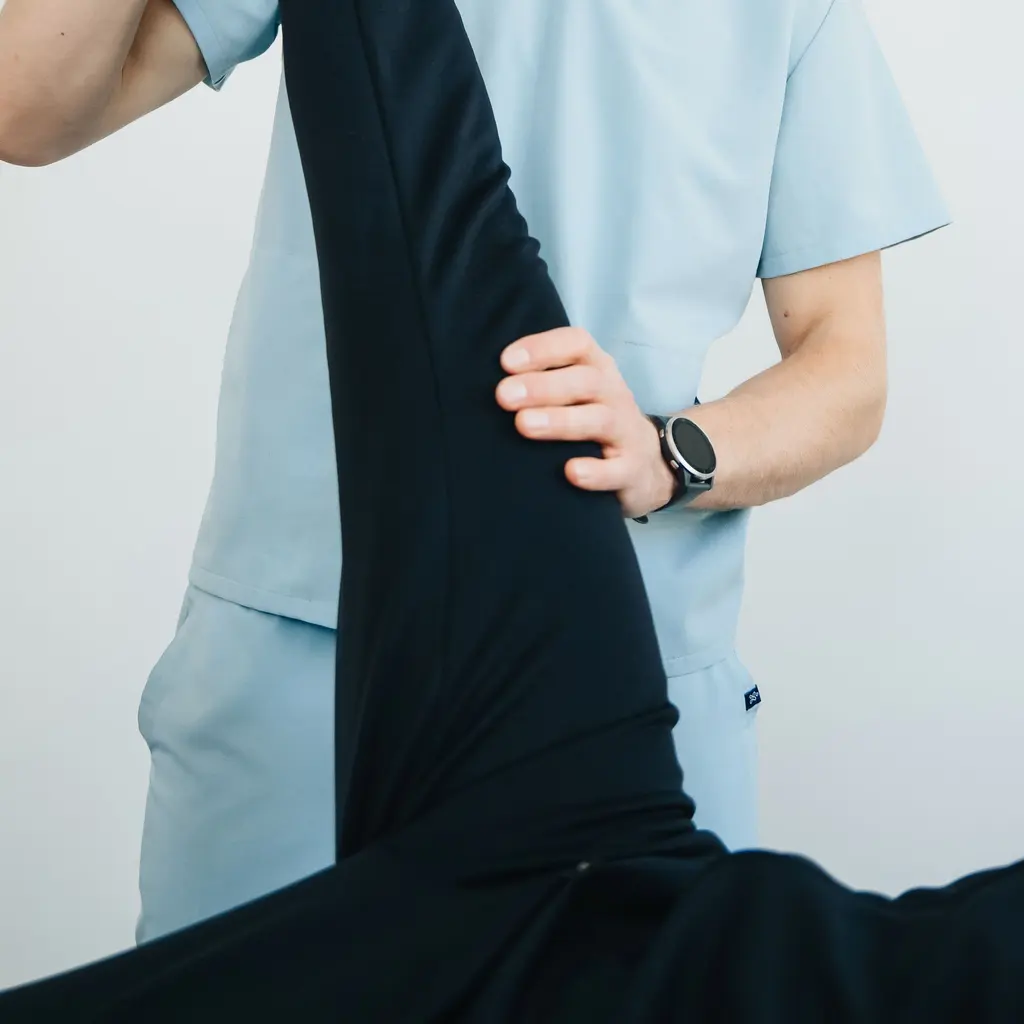
You provide rehabilitation through hands-on therapy and exercise equipment, where your patients are often unsteady or already injured. If a patient falls during a session or alleges an injury resulted from your treatment, your clinic could face a claim for professional or premises liability.
The Southern Agency can help you evaluate your treatment procedures and equipment use to choose appropriate insurance. For example, we can review whether your policy extends to therapy provided off-site at gyms or sports events.
A patient may allege that manual therapy, an exercise program, or a missed contraindication caused or worsened an injury, a core professional liability exposure.
Unsteady or recovering patients using machines, weights, and parallel bars can fall or be hurt during sessions in the gym area.
Ultrasound, electrical stimulation, and hot or cold packs can burn or harm a patient if misapplied or if equipment malfunctions.
Supporting and transferring patients during treatment causes strains and musculoskeletal injuries that may trigger workers compensation.
Therapeutic and exercise equipment can break down or be damaged, interrupting treatment and requiring costly repair or replacement.
Treatment notes and payment records hold protected health information that can be breached or improperly disclosed.
Policies to ask about. Which ones fit depends on your operations, your contracts, and the carrier’s forms.
These hypothetical examples are not agency claim results. Whether a loss is covered depends on the facts, policy terms, and applicable exclusions.
A patient alleges an aggressive therapy session worsened their condition. A professional liability policy may respond to defense and indemnity, depending on the specific policy, endorsements, exclusions, and facts. Check accepted therapy and insured provider/entity; worsened symptoms alone do not establish covered negligence.
A patient loses balance and falls while using a machine in the gym area. General liability coverage may respond to a covered bodily-injury claim, subject to policy terms and the circumstances. Determine treatment/supervision versus premises allegations and professional exclusions before assuming GL.
A patient is burned during an ultrasound or hot-pack treatment. Professional and related coverage may respond depending on the policy, endorsements, exclusions, and the facts. Separate clinical application or device defect injury from repair; check accepted modality, insured clinician, and product/vendor duties.
Start with the work you do and the questions your current policies leave unanswered. Carrier options depend on your location, risk, and underwriting. Explore our approach.
Professional and general liability address different allegations, but location on gym equipment does not decide the line. Examine therapeutic supervision, premises facts, and professional exclusions together.
Review the actual injury and alleged clinical or premises duty. A prescribed/supervised exercise fall may involve professional-services exclusions; neither GL nor medical cover automatically responds solely because a machine was involved.
Ultrasound, electrical stimulation, and hot or cold packs can harm a patient if misapplied. Professional and related coverage may respond, depending on the policy, endorsements, exclusions, and the facts.
Off-site treatment at gyms, homes, or events can change exposures and where equipment travels. Professional coverage and inland marine may help, but it is important to confirm off-site work is addressed in the policy.
Supporting and transferring patients causes strains and injuries, making workers' compensation commonly needed and often required for employees. Requirements vary by state and staff size.
Carriers weigh treatment focus, patient volume, therapist count, equipment, locations, and claims history. Because clinics differ, premiums vary and coverage availability depends on underwriting.
Bring your questions, current policies, and relevant contracts. An agent can review coverage terms, exclusions, and the information carriers ask for, then explain the options available to you.