

Concentrated procedure liability
Repeating a procedure across a patient population can concentrate claims around a particular technique, protocol or device. The exposure depends on your actual specialty and work, not the center's name.
Try a different word, or check the spelling.
If you supply or implant a device, those roles can raise different questions from the procedure alone. Your product and professional terms need to distinguish device allegations from selection, technique, and follow-up.
The Southern Agency can review your procedure mix, device sourcing and follow-up responsibilities before comparing the clinical and equipment terms offered.
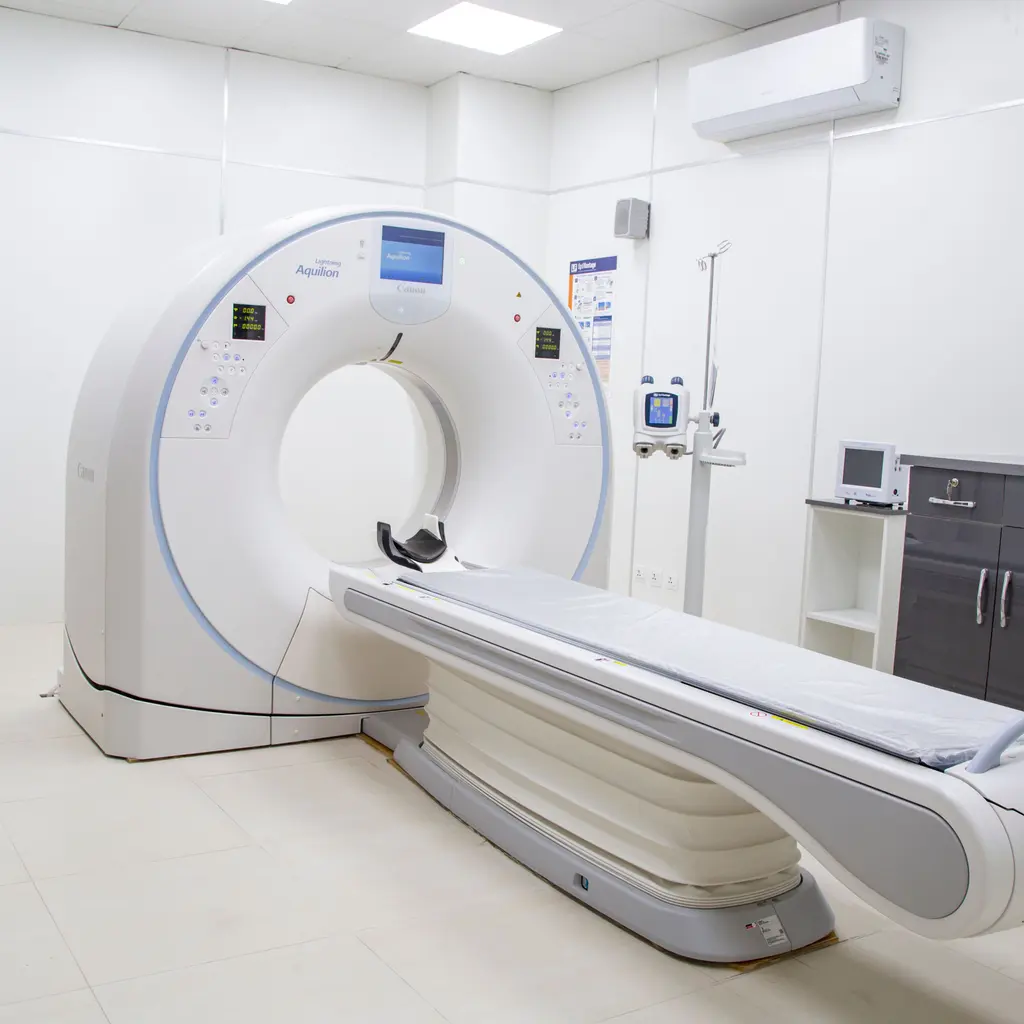
You deliver care within a defined specialty, relying on the equipment and clinical services your procedures require. A patient claim may concern selection or use of a device, while a failed machine can interrupt otherwise scheduled care.
The Southern Agency can review your specialty, provider roster and device responsibilities to help compare insurance. We can separate clinical allegations from product-supply claims and examine the equipment or record interests that support your work.
Repeating a procedure across a patient population can concentrate claims around a particular technique, protocol or device. The exposure depends on your actual specialty and work, not the center's name.
Advanced diagnostic and treatment machines are central to operations, and a failure can halt procedures and revenue.
Centers that implant or dispense devices face product-related liability if a device is alleged to cause harm.
Procedural care and recovery create general and professional liability exposure from complications or facility incidents.
Electronic records and imaging systems hold PHI that, if compromised, may create notification and liability duties depending on incident facts and applicable rules.
Technicians and clinicians performing procedural and patient-handling work face injury exposure driving workers' compensation claims.
Policies to ask about. Which ones fit depends on your operations, your contracts, and the carrier’s forms.
These hypothetical examples are not agency claim results. Whether a loss is covered depends on the facts, policy terms, and applicable exclusions.
A patient alleges a specialty procedure caused injury and that follow-up missed a complication. Professional terms may help with covered defense and damages when the procedure, clinician, center and timing fit. Separate an alleged breach of clinical duty from an adverse outcome; supplying a device is not the only duty that may be alleged.
An internal electrical failure disables a diagnostic imaging machine and bookings move to another provider. Breakdown may help with qualifying repair if the machine and cause fit. Any income or extra expense depends on accepted terms, actual lost earnings, waiting time and restoration; canceled appointments or routine maintenance alone do not establish payment.
A patient alleges an implanted device malfunctioned and also challenges the choice of device and implantation. Product terms may help with included supply-defect allegations, while clinical duties need accepted professional terms. Identify the center's and supplier's roles and how the forms handle mixed allegations; removal, replacement, repeat procedures and recall have separate cost and exclusion questions.
Start with the work you do and the questions your current policies leave unanswered. Carrier options depend on your location, risk, and underwriting. Explore our approach.
Compare clinical claims with equipment and suite damage, data events, staff injuries and any actual device-supply role. The discipline, procedures and providers determine the terms to assess. Implantation does not by itself establish a separate product policy's scope, and a package name does not establish every clinical service.
Liability concentrates around the procedures performed repeatedly. Professional liability should reflect that procedure mix, and terms depend on underwriting and loss history.
Separate device defect or supply from clinical selection, implantation and follow-up. Review accepted medical products and professional services, own-product and recall terms together. Product insurance alone does not establish every implant claim or payment to replace a device.
A failed diagnostic or treatment machine can stop the procedures that depend on it. Compare qualifying internal-failure repairs with any purchased income or extra-expense benefits, realistic repair time and alternative capacity. A maintenance visit or canceled booking alone does not establish an insured loss.
Centers hold health records and imaging data. Cyber coverage may help with breach response and liability if systems are compromised, depending on the specific policy.
A waiting-room trip may raise a nonclinical premises claim, while a fall during assisted care may raise professional duties. The alleged act, insured provider and actual GL/professional terms—not the room alone—determine the review. Do not assume both forms respond.
Bring your questions, current policies, and relevant contracts. An agent can review coverage terms, exclusions, and the information carriers ask for, then explain the options available to you.