

Severe-service product failure
A failed brake, hydraulic component, or structural weld in a mining machine can seriously injure operators or disrupt a mine, driving product liability claims.
Try a different word, or check the spelling.
Your crusher or loader may need oversized transport and rigging before commissioning at a remote mine. Cargo, handling, and site terms need to define whose loss they cover, without becoming a guarantee of mine output.
The Southern Agency can help you evaluate your manufacturing and field service risks to choose appropriate insurance for your mining equipment operations.
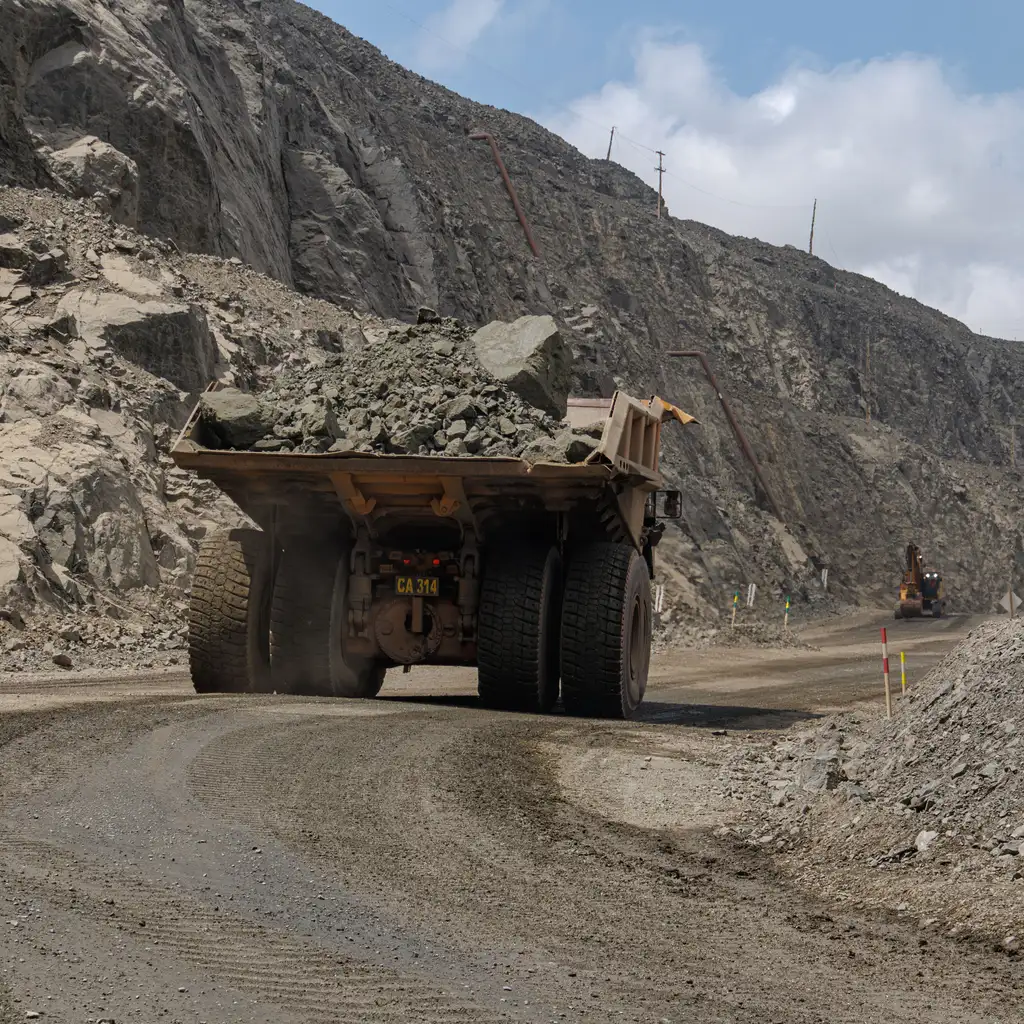
You build large-scale mining equipment, from crushers to loaders, often requiring on-site rigging, assembly, and commissioning. These activities combine plant-based fabrication risks with the high-stakes liability of remote, heavy-duty mining environments.
The Southern Agency can review your fabrication, product uses and any mine-site assembly or commissioning to help you choose insurance. We can compare direct protection for oversized goods through transport and rigging with liability for operator injury or other damage, separately from mine-output promises.
A failed brake, hydraulic component, or structural weld in a mining machine can seriously injure operators or disrupt a mine, driving product liability claims.
Building large frames and charging hydraulic systems exposes workers to crush, high-pressure fluid injection, and struck-by hazards.
Testing powerful drivetrains and hydraulics under load presents stored-energy and entanglement risks in the plant.
Shipping crushers, conveyors, and large components risks impact and handling damage en route to remote mine sites.
Large machining centers, presses, and welding systems are production-critical, and a breakdown can stall heavy-equipment output.
Mines impose strict performance and safety specs, and alleged non-conformance can generate liability and warranty exposure.
Policies to ask about. Which ones fit depends on your operations, your contracts, and the carrier’s forms.
These hypothetical examples are not agency claim results. Whether a loss is covered depends on the facts, policy terms, and applicable exclusions.
A hydraulic component on a loader allegedly fails and injures an operator underground. Product liability may respond to defense and damages, depending on policy terms and the facts. Separate the operator’s injury and other damage from repairing the loader, withdrawing related machines, and meeting a mine’s downtime demands.
An oversized conveyor section is damaged during rigging at a remote site. An inland marine policy may respond to repair or replacement, subject to the specific policy, endorsements, and exclusions. Confirm that the damaged section and the remote-site rigging stage are included. Direct goods coverage and the rigger’s legal liability are different protections.
A large forming press fails, halting frame production. Equipment breakdown coverage may help with repair and resulting income loss, depending on policy terms. Check the covered cause of failure and the income coverage purchased, including the restoration period; missed orders and mine output guarantees are separate.
Start with the work you do and the questions your current policies leave unanswered. Carrier options depend on your location, risk, and underwriting. Explore our approach.
A loader brake, hydraulic line or structural weld can be alleged to have caused an operator injury or damage at the mine. Review those resulting claims alongside the machine and end use covered. Repairing the machine, meeting output guarantees, and paying mine shutdown demands are separate issues.
Identify the owner and value of each section and who handles shipping, unloading, and the lift. Ask where the proposed goods coverage starts and ends, including staging, rigging, and testing. The carrier’s liability and a rigger’s responsibility are different from direct protection for your equipment.
Review internal mechanical or electrical failure under equipment breakdown and fire or other covered causes under property insurance. Check any income extension against replacement and restart time. Worn tools, poor-quality output and missed customer orders do not establish a covered equipment loss.
Bring the actual safety and performance specifications, design duties, and acceptance tests. A machine causing injury or damage can present a different claim from one that misses a throughput target. Review professional exclusions, contractual obligations, own-product and impaired-property terms; do not assume liability coverage pays warranty work or lost mine output.
Describe fabrication, hydraulic charging, load testing, and any field assembly or commissioning, along with who employs each crew. Applicable state rules and policy terms determine workers’ compensation requirements and benefits. A subcontracted lift also needs a separate responsibility review.
If a covered plant fire interrupts fabrication, purchased business-income coverage may address the insured income loss during the defined restoration period. Compare limits, waiting periods, and restart assumptions. Customer penalties, an interrupted mine’s profits and delays unrelated to covered damage should not be assumed included.
Bring your questions, current policies, and relevant contracts. An agent can review coverage terms, exclusions, and the information carriers ask for, then explain the options available to you.