Skip to content

Turbine And Generator Producer Insurance

Your customer may measure generation output while you are responsible for a supplied unit and specified test work. Liability and transit protection should distinguish physical damage, a stopped but undamaged process and an efficiency shortfall, including the actual site-lift duties.

The Southern Agency can help you identify and insure the specific exposures within your turbine production cycle.

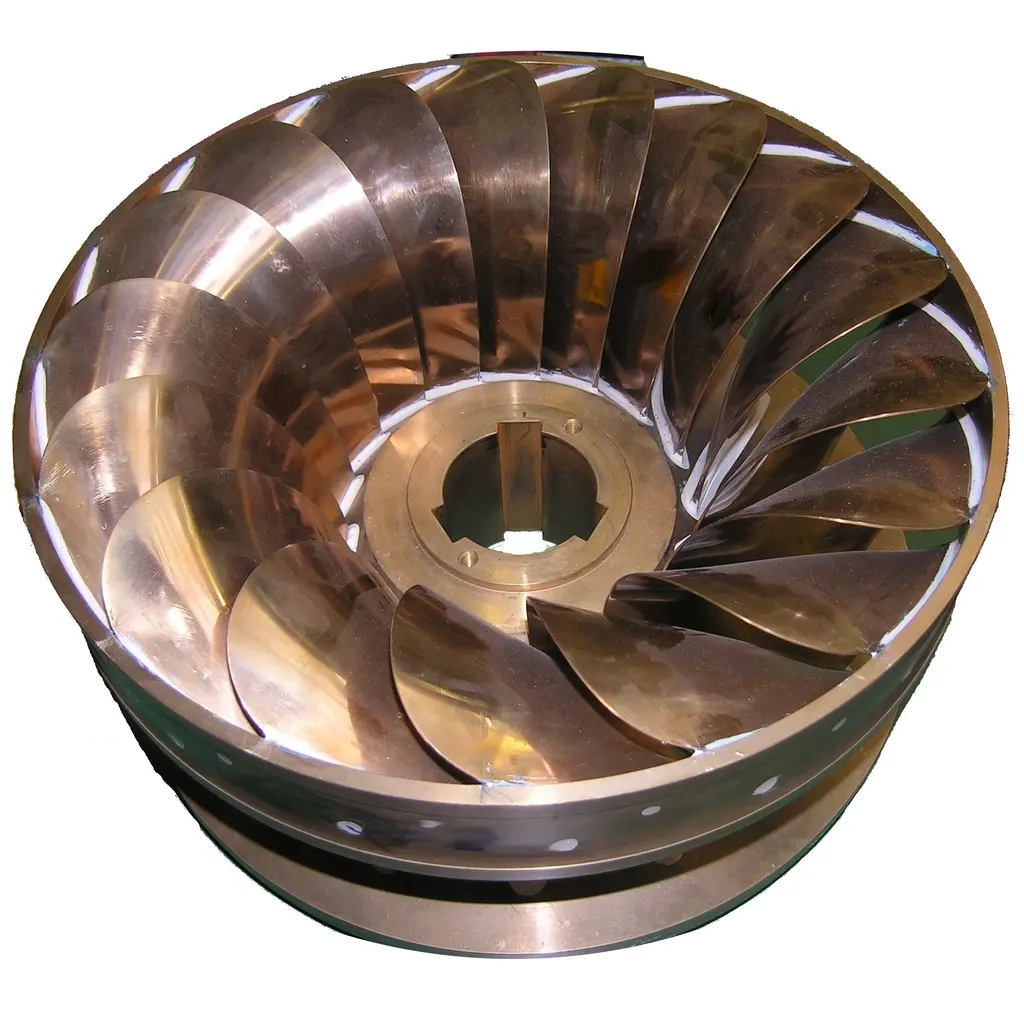
A polished water-turbine rotor with curved metal blades surrounding its central shaft opening.

Industry overview

You machine, assemble and test turbines or generators built for demanding power applications. A handling accident can damage a high-value unit before delivery, while a defect in service can damage other machinery and stop a customer's generation.

The Southern Agency can review your manufacturing and installation services to help you select appropriate insurance. For example, we can help you distinguish between coverage for a factory machine failure and the potential liability of an output guarantee.

Risks worth discussing

Catastrophic rotating-equipment failure

A blade, bearing or winding defect can be alleged to cause injury, fire or damage to other plant machinery after delivery. Establish the actual damage, product and design duties; the failed unit’s replacement is a separate loss.

Overspeed and load-test hazards

Overspeed and load tests create stored-energy and containment hazards for employees, visitors, and test assets. Record tests performed in-house and by outside labs, and seek qualified engineering and safety review.

Heavy machining and winding injuries

Large-forging machining, generator winding and overhead crane lifts expose workers to crush, struck-by, and electrical injury. Identify each employer and any field crews separately from the owners of the lifted unit or crane.

Downstream outage and business-interruption claims

A utility or industrial customer may demand lost-generation revenue, loss-of-use damages, or contract penalties. A physically damaged plant, an impaired process and a unit that misses an efficiency target need different liability and contract analysis.

Equipment breakdown of high-value machine tools

A machining center, balancing rig, or test stand can become a bottleneck after internal damage. Worn tooling, a failed rotor acceptance test and late delivery do not establish insured damage to the production machine.

Oversized transit and rigging damage

Units can be damaged during loading, rail or road carriage, unloading, staging, or site lifts. Trace the owner and party bearing damage responsibility through acceptance; direct goods protection differs from carrier or rigger liability.

Situations to think through

These hypothetical examples are not agency claim results. Whether a loss is covered depends on the facts, policy terms, and applicable exclusions.

  1. Hypothetical: Turbine blade failure damages a plant

    Suppose a turbine blade is alleged to fail in service and physically damage other machinery at a power plant, forcing an outage. Product liability may help with covered defense and resulting damages. Review the plant’s loss-of-use claim separately from replacing the turbine, withdrawing other units, and paying promised generation or delay amounts.

  2. Hypothetical: Generator damaged during transit

    Suppose a generator is damaged in rail or road carriage to the power plant. Included goods-transit protection may help with eligible repair or replacement, subject to cause, owner, value, and limits. If the damage instead occurs during a site lift, the rigging stage and responsible party require their own goods and liability terms.

  3. Hypothetical: Balancing rig breakdown halts production

    Suppose an internal electrical failure damages the rotor balancing rig and stops final preparation. Equipment breakdown may help repair eligible damage; purchased income or extra expense may address the insured interruption. Waiting and restoration terms, recalibration, and restart matter. Routine balancing adjustments, a rejected rotor, and customer penalties are different expenses.

Before you talk to an agent

What to have ready

Tick items as you gather them. Nothing here is saved or sent.

Questions to raise

  • Use actual gas, steam, hydro, or wind applications and customer systems to compare product terms. Determine who designs, tests and commissions each unit.
  • Identify damage and loss of use claimed at the customer plant, then separate own-unit remedies and output or uptime guarantees. Consider any offered manufacturers errors and omissions (E&O) for an included customer financial claim. Performance guarantees and the cost to correct your own unit need their own terms.
  • For overspeed cells and load tests, bring containment, maintenance, operating, and outside-lab records. Discuss hazards with qualified advisers and compare worker, visitor, and asset interests.
  • Map oversized loading, carriage, unloading, staging, rigging, and acceptance with owners and contractors. Compare direct unit protection with each carrier’s or rigger’s legal liability.
  • Estimate machine-tool, balancing and test-stand repair, replacement, and restart time. Discuss purchased stock, income and extra expense separately from a customer’s power-generation revenue.

Contract terms to check

  • Allocate product design, supplied drawings, manufacture, tests, transport, lifting, installation, and commissioning. Separate injury and damage allegations from unit correction, withdrawal, efficiency, or generation guarantees and delay penalties.
  • Compare utility, plant and distributor indemnities, additional-insured requests, primary, and excess limits and lender interests with issued endorsements. Certificates do not amend cover. A buyer’s recall or contamination clause does not establish an insured product withdrawal or pollution condition. Identify the event, product, site, and expenses before agreeing to those remedies.
  • For separate engineering or commissioning services and any offered manufacturers E&O, check products and duties included, professional, own-product, and guarantee restrictions. Identify injury or damage dates and when claims must be made or reported; where claims-made terms apply, review prior acts and reporting continuity. Delivery or commissioning alone does not establish indefinite protection.

What the agent conversation looks like

Start with the work you do and the questions your current policies leave unanswered. Carrier options depend on your location, risk, and underwriting. Explore our approach.

  1. ListenReview your operations, current coverage, and past claims.
  2. AssessIdentify potential hazards and discuss ways to reduce risk.
  3. BuildDiscuss policy and carrier options, premium costs, and audits.
  4. SupportReview changes and help you plan ahead as your needs develop.

Questions owners ask

How does completed-operations exposure apply to power equipment?

A defect may be alleged after years of service, but the delivery date alone does not determine coverage. Identify the product, design or commissioning duties, injury or damage date and dates the claim was made and reported. Review the trigger and exclusions; where claims-made terms apply, examine prior acts and reporting continuity.

Can a single blade failure really trigger a large claim?

A blade can damage surrounding machinery and stop generation. Product liability may address covered defense and resulting damages, with loss-of-use terms reviewed. Replacing the turbine, withdrawing other blades and paying guaranteed output or every outage demand are separate questions.

Why do insurers scrutinize our overspeed test cells?

Describe test energy, containment, procedures, maintenance, and who operates or witnesses the tests, including outside labs. Seek qualified safety and engineering advice. Compare eligible worker benefits, visitor claims, and damage to test equipment or customer units; controls alone do not establish a quote or claim payment.

How are massive units protected while moving by rail or road?

Trace ownership and damage responsibility from loading through carrier custody, unloading, and staging. Compare direct goods protection with carrier liability, handling stages, valuation, and limits. Rigging, installation and site tests must be included if needed rather than assumed part of rail or road cover.

If a balancing rig or large lathe quits, are we protected?

An insured internal event may qualify for eligible repair of the balancing rig, lathe, or test stand. Purchased stock, income and extra expense have their own cause, waiting and restoration terms. Wear, routine adjustments, product-test failure, and missed delivery promises do not establish insured machine damage.

What if a plant fire idles our generator line for months?

Purchased business-income and extra-expense cover may address the insured interruption after a covered plant fire. Compare machine-tool replacement, recalibration, and restart time with the restoration period and limits. Separate your insured income loss from a customer’s lost-generation demand and forecasts of future orders.

Talk through your turbine and generator producer coverage

Bring your questions, current policies, and relevant contracts. An agent can review coverage terms, exclusions, and the information carriers ask for, then explain the options available to you.

How can we help you get started?

Choose the quote that fits, and we’ll take it from there.

Have a question? Contact us