Skip to content

Steel Pipe And Tube Mill Insurance

Your long pipe can suffer a dent or coating damage while stored, lifted, or shipped, with a different owner at each stage. Property and cargo terms need those handoffs, separately from vehicle liability, retesting, or replacing an off-spec section.

The Southern Agency can help you align your insurance with the specific risks of steel mill production, testing and product delivery.

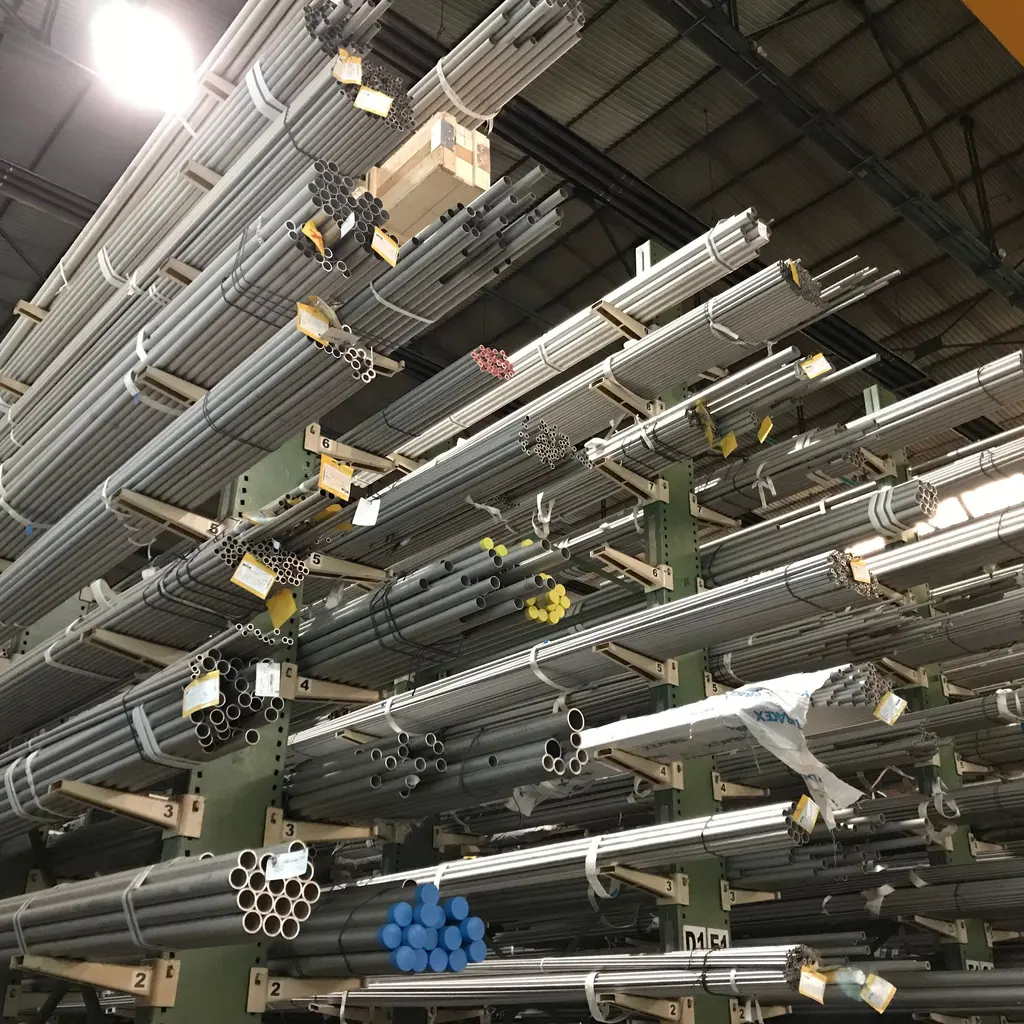
Bundles of metal tubes stored in racks inside an industrial warehouse.

Industry overview

Your mill forms, tests and finishes steel pipe for pressure systems, structural columns or pipelines. A mid-run failure can damage equipment or scrap output, while field issues with seams or coatings could lead to buyer demands for replacement or correction.

The Southern Agency can review your production dependencies, handling procedures, and delivery arrangements to help select appropriate insurance. For example, we can compare coverage for an internal mechanical breakdown of your welders against a general claim for damage to a buyer’s pipeline project.

Risks worth discussing

Pipe and tube product failure

A seam, wall-thickness or coating defect may be alleged after use in a pressure line or structure. Determine whether the demand concerns injury, other-property damage, loss of use, or the failed pipe and correction costs.

Forming and welding line breakdown

A mill stand, ERW welder or seamless piercer fault can stop the line and scrap work. The failed component, cause and resulting damage matter; off-spec pipe alone is not proof of insured machinery damage.

Hydrostatic test and pressure hazards

Hydrostatic testing involves stored pressure that can injure people or damage equipment if containment fails. Describe the test duty and equipment actually operated, without treating an insurance policy as proof of test compliance.

Material handling injuries

Crane and forklift movements of coil, billet and long pipe create crush, drop, and pinch hazards. Identify loads, handling arrangements and workers alongside the property exposed.

Finished goods damage and transit loss

Dents or coating damage can affect finished pipe in storage or shipment. Ownership, insured locations, trips, and the cause determine the property and cargo review, not merely the presence of a delivery truck.

Fire from welding and coating

Welding, oils and coating work can create fire exposure. Describe the actual coating formula, storage and process heat; not every coating has the same flammability or chemical hazards.

Recall and rework exposure

A repeated forming or welding defect can prompt withdrawal, replacement or rework across shipments. Those expenses are different from liability for resulting harm and need their own insured products, event, and expense terms.

Situations to think through

These hypothetical examples are not agency claim results. Whether a loss is covered depends on the facts, policy terms, and applicable exclusions.

  1. Hypothetical: Field weld-seam failure

    A pressure-line customer alleges a welded seam failed and demands replacement pipe plus compensation for the line being unavailable. Product liability may address qualifying damage or loss of use, subject to own-product and impaired-property terms. Manufacturers E&O may be relevant to eligible financial liability if specifically arranged; neither label guarantees pipe replacement or every shutdown cost.

  2. Hypothetical: ERW welder breakdown

    An ERW welder fails mid-run, scraps pipe in process and stops the line. Equipment breakdown may address eligible repair if an insured internal event caused the damage. Scrapped pipe and income require their purchased extensions, values, waiting periods, and restoration terms; a welding-quality mistake is not by itself proof of an insured breakdown.

  3. Hypothetical: Coating damage in transit

    A load of coated pipe is damaged en route to a project. Cargo or inland marine protection may address eligible damage if the owner’s interest, trip, and cause are insured. A carrier’s legal-liability cover can require different facts from direct cargo protection, and truck physical-damage cover is not proof of payment for the pipe.

Before you talk to an agent

What to have ready

Tick items as you gather them. Nothing here is saved or sent.

Questions to raise

  • Describe intended service, fluid and pressure, wall and seam specifications, coating, and test duties. Include loads and operating conditions rather than choosing limits from an application label alone.
  • Separate injury, other-property damage and qualifying loss of use from the failed pipe, rejected lots, removal, rework, and customer shutdown demands. Check impaired-property and own-product terms.
  • Identify who owns coil, billet, and finished pipe at each storage and delivery stage. Compare cargo or other direct-property cover with carrier legal liability, including loading, unloading and any off-site storage.
  • Estimate forming, ERW, piercing and hydro-test repair lead times, in-process values and income dependencies. Scrap and lost output need their own insured cause and extensions.
  • Review any withdrawal or recall form for the insured products, event and expenses, separately from buyer replacement and delivery promises.

Contract terms to check

  • Record intended use, specifications, testing, acceptance, and who designs or selects the pipe for the system. Separately sold engineering or testing services need their own defined-services and professional-exclusion review. If a proposed form is claims-made, check its prior-acts and reporting requirements.
  • Allocate rejected pipe, replacement, excavation and removal, retesting, shutdown and withdrawal costs without assuming a product-liability policy funds each promise. Manufacturers E&O may be relevant to eligible financial claims only if offered for the actual products and work.
  • Compare requested limits, additional-insured status, and indemnities with issued policies and endorsements. A certificate does not amend cover or make every buyer term insurable.
  • Identify ownership and risk during loading, shipment, unloading, and off-site storage. Vehicle liability and physical damage, cargo interests and the carrier’s responsibility need separate terms.

What the agent conversation looks like

Start with the work you do and the questions your current policies leave unanswered. Carrier options depend on your location, risk, and underwriting. Explore our approach.

  1. ListenReview your operations, current coverage, and past claims.
  2. AssessIdentify potential hazards and discuss ways to reduce risk.
  3. BuildDiscuss policy and carrier options, premium costs, and audits.
  4. SupportReview changes and help you plan ahead as your needs develop.

Questions owners ask

Why is product liability central for a pipe and tube mill?

A seam, wall or coating problem can lead to a claim after the pipe enters a line or structure. Product liability may address covered injury, other-property damage, or qualifying loss of use, depending on the product, service and exclusions. The failed pipe, correction work, refunds, and financial shutdown demands need their own review.

Does coverage change based on where our pipe is used?

Yes. Identify the actual pipeline fluid and pressure, boiler or pressure-system duty, or structural or scaffolding use and the tests, dimensions and coatings promised. A loss assessment needs the operating conditions and consequences of failure, not just a pipeline or structural label. Compare the declared products, uses, limits, and exclusions with the jobs supplied.

How is finished pipe protected in transit?

Identify the owner and risk at loading, on the road, unloading, and any off-site store, including outside-carrier arrangements. Cargo or inland marine may address eligible stock damage on insured trips or locations; carrier legal liability is a different interest. Confirm load values and causes, rather than assume vehicle insurance protects the pipe.

Are our forming and welding lines covered if they fail?

An insured internal mechanical or electrical event may qualify for eligible machine repair. Spoiled work and income need the appropriate extensions, ownership, values, and timing. Wear, normal servicing, wrong welding settings or a failed quality test are not all equivalent to an insured breakdown; a shutdown alone does not establish payment.

What about a product defect found after shipment?

Identify whether there is resulting injury or property damage, loss of use, rejected pipe, or a withdrawal demand. Any recall or withdrawal form has its own insured products, event and expenses. Rework, excavation and removal, replacement, refunds and customer delay promises are not established by ordinary product liability or by discovering a defect.

How are premiums for a pipe mill determined?

Provide ERW, seamless or spiral methods, sales and output, intended uses, testing, and quality and loss history. Add equipment values, stock interests and off-site locations, trucks, and transit distances, and headcount, payroll, and handling duties. Buyer and carrier agreements and any independent design or testing role also matter. Pricing and availability depend on the operation and underwriting.

Talk through your steel pipe and tube mill coverage

Bring your questions, current policies, and relevant contracts. An agent can review coverage terms, exclusions, and the information carriers ask for, then explain the options available to you.

How can we help you get started?

Choose the quote that fits, and we’ll take it from there.

Have a question? Contact us