

Product defect and performance failure
A faulty heat exchanger, control board, or compressor circuit can cause fire, carbon-monoxide release, or property damage after units are installed, driving product liability claims.
Try a different word, or check the spelling.
Your unit can pass a factory test and later become part of a contractor's installation. Product terms should fit the heating or cooling equipment and any design, service, or refrigerant duties you actually retain.
The Southern Agency can help you review your heating or cooling products alongside any design and service duties.
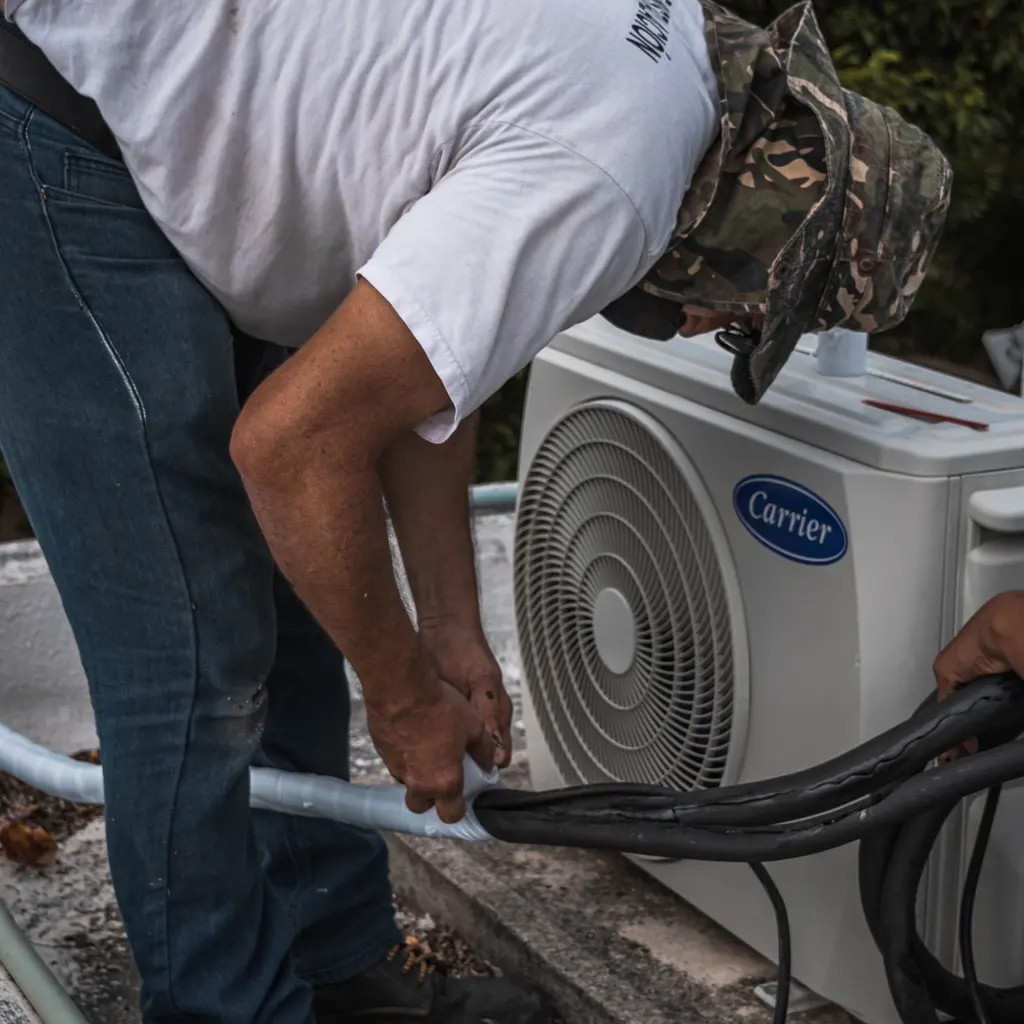
You manufacture HVAC systems such as furnaces and chillers, combining sheet-metal fabrication with assembly of controls and refrigerant circuits. Your units are performance-tested before shipment to distributors.
The Southern Agency can help you review your fabrication and testing processes to help select appropriate insurance. We can discuss how your policy addresses potential liability for unit defects and the environmental considerations of refrigerant handling.
A faulty heat exchanger, control board, or compressor circuit can cause fire, carbon-monoxide release, or property damage after units are installed, driving product liability claims.
Charging and storing refrigerants creates release potential that can trigger cleanup and pollution-related liability under certain conditions.
Brazing stations and gas-fired test stands expose the plant to fire and burn incidents that can damage property and injure workers.
Shears, brakes, and press lines used to form cabinets and ductwork create laceration, amputation, and crush exposures for employees.
Automated test stands, compressors, and powder-coat lines are production-critical, and a breakdown can stall made-to-order shipments.
Heavy rooftop and chiller units can be damaged during shipping or staging before reaching distributors and contractors.
Policies to ask about. Which ones fit depends on your operations, your contracts, and the carrier’s forms.
These hypothetical examples are not agency claim results. Whether a loss is covered depends on the facts, policy terms, and applicable exclusions.
A furnace heat exchanger allegedly cracks and contributes to a house fire after installation. Product liability may respond to defense and damages, depending on the policy and facts. Check the furnace or component and cause included, installer or service duties and actual injury or other building damage separately from the unit itself, impaired property, design, warranty, recall, and policy timing.
A storage failure releases refrigerant and prompts cleanup and reporting. Identify the substance, site, release or response trigger included, notice and consent. Reporting or recovery duties, routine repair, and fines differ from insured benefits; the need to respond alone does not insure every cost.
An automated test stand fails, halting final inspection of finished units. Equipment breakdown and purchased income may help, depending on the policy. Check covered internal test-stand damage, stock, income, waiting, and restoration terms. A failed unit test or quality or shipment hold alone does not create insured benefits.
Start with the work you do and the questions your current policies leave unanswered. Carrier options depend on your location, risk, and underwriting. Explore our approach.
Common coverages include product liability, commercial property, equipment breakdown, workers' compensation, and often environmental liability. The right mix depends on operations and underwriting.
Identify refrigerants, chemicals and site history and separate manufacturing or charging from field service with qualified compliance advisers. Compare releases, cleanup and third-party claims included, prior conditions, consent, and notice. Routine recovery, reporting, leak repair, fines, and recall are not automatically insured.
If a defective unit causes fire, carbon-monoxide release, or property damage after installation, product liability may respond to defense and damages, subject to policy terms and exclusions.
Equipment breakdown coverage may help repair or replace test stands and other critical equipment after a covered mechanical or electrical failure, depending on the policy.
List unit and parts owners, packing, loading, carrier, staging, and installation handoffs. Compare proposed transit causes, handling, valuation, and limits with carrier responsibility. Shipping a heavy unit alone guarantees neither available all-risk protection, full contract value nor acceptance of installation or service duties.
Business income coverage may respond when a covered property loss interrupts manufacturing, helping with lost earnings. Coverage depends on the specific policy and exclusions.
Bring your questions, current policies, and relevant contracts. An agent can review coverage terms, exclusions, and the information carriers ask for, then explain the options available to you.