

Fire from finishing and wood dust
Lacquers, solvents, spray booths, and accumulated wood dust create significant fire risk to the shop and in-progress instruments.
Try a different word, or check the spelling.
Your unfinished commission, prototype, and customer's vintage restoration can need different values and custody terms. Listing an instrument's price does not alone secure an agreed-value settlement, or pay for a disputed tone, finish, or deadline.
The Southern Agency can help you identify risks in your instrument manufacturing and restoration services to choose appropriate insurance.
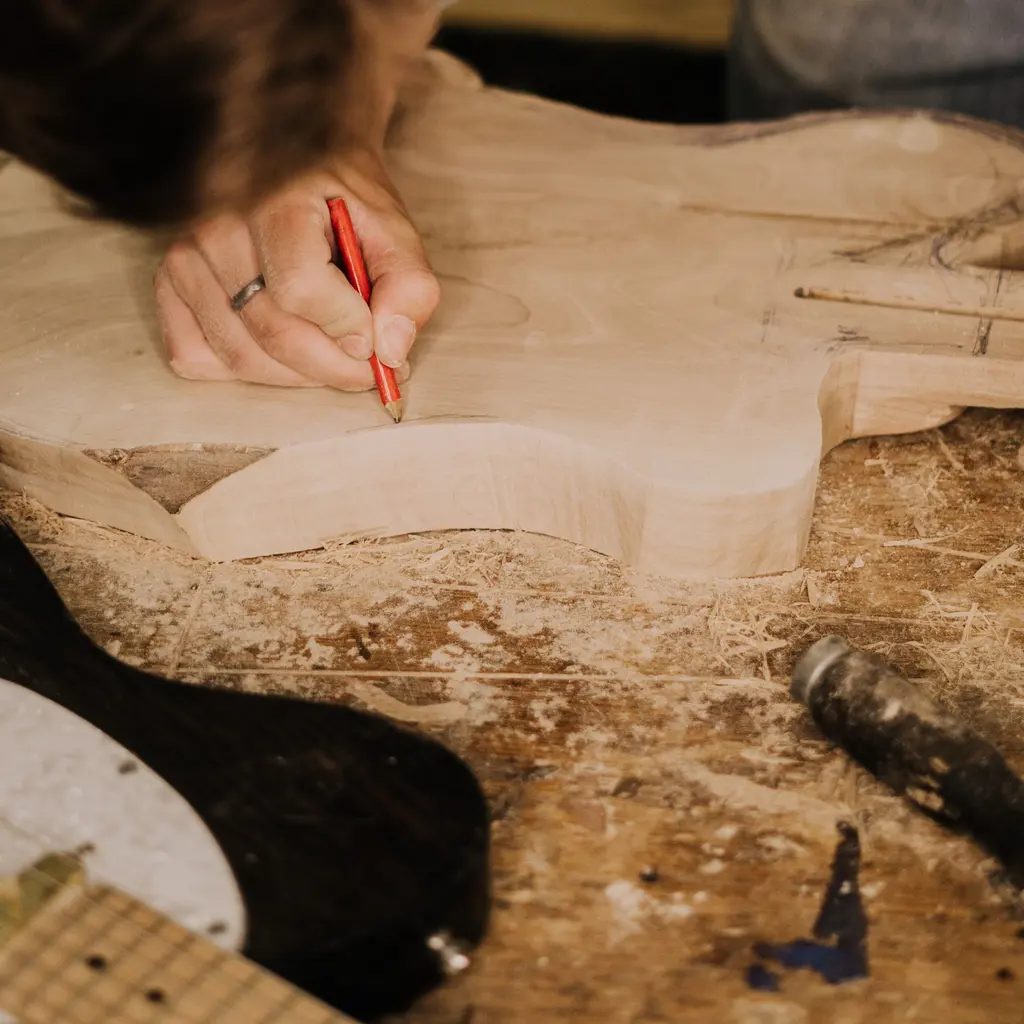
You build the instruments your shop makes from its actual wood, metal or electronic components, with fine assembly and any climate-sensitive stock. Fire or moisture can damage a commission, while an instrument you accept for restoration brings a different owner's value and custody responsibilities.
The Southern Agency can help you assess your shop's specific risks, such as wood dust or climate sensitivity. We can assist in clarifying how to value your custom builds and customer-owned restorations for your property coverage.
Lacquers, solvents, spray booths, and accumulated wood dust create significant fire risk to the shop and in-progress instruments.
Identify the owner and value of custom builds, prototypes, and vintage restorations at each stage. Customer instruments and unfinished commissions may need different valuation and custody terms.
Humidity swings, leaks, and water intrusion can warp wood and ruin finished instruments and seasoned stock.
Saws, routers, lathes, and metalworking tools expose skilled staff to laceration and amputation hazards.
Electronics, hardware, strings under tension, or coatings can be alleged to fail or harm a player, prompting product claims.
Finished instruments shipped to dealers, artists, and shows are exposed to damage or loss while off premises.
Policies to ask about. Which ones fit depends on your operations, your contracts, and the carrier’s forms.
These hypothetical examples are not agency claim results. Whether a loss is covered depends on the facts, policy terms, and applicable exclusions.
A fire starting in the finishing area damages the booth and several in-progress instruments. Commercial property coverage may respond to repair and replacement, depending on policy terms and exclusions. Review which owned or customer instruments and unfinished work are insured and how they are valued.
A high-value custom guitar is damaged in transit to a dealer. Review who owns the instrument, the packing and shipping stage covered and the policy’s settlement basis. A scheduled limit or an appraisal does not by itself establish an agreed-value payment, and carrier liability is different from direct insurance on the instrument.
A player alleges an instrument's hardware failed and caused injury. A product liability policy may respond to defense and damages, depending on policy terms and the facts. Separate the player’s injury from repairing the hardware, replacing the instrument, or refunding the sale.
Start with the work you do and the questions your current policies leave unanswered. Carrier options depend on your location, risk, and underwriting. Explore our approach.
Wood dust and finishing solvents can create ignition hazards where seasoned stock and unfinished instruments are concentrated. Describe the actual materials, dust collection, and spray-finishing operations. Review the property, work-in-progress and income terms rather than assuming the full value of every commission is insured.
Bring appraisals, build-stage values, ownership records, and commission or restoration terms. Ask how the policy values owned work and customer instruments, and whether any scheduled or agreed-value basis is expressly provided. A sale price, appraisal, or schedule entry alone does not establish the settlement amount.
Identify the owner, value, packing and carrier arrangements and any consignment, loan or show storage. Compare the transit and off-site terms with the point where responsibility changes. Your goods coverage and the carrier’s liability are different, and a shop property policy should not be assumed to follow every instrument.
Strings, hardware, electronics, and coatings can be alleged to injure a player or damage other property. Review those claims for the instruments supplied. Tonal dissatisfaction, replacing a faulty instrument, warranty repairs, and commission refunds require separate consideration.
Describe the cause, such as a leak, climate-control failure, or a gradual humidity change. Check covered water causes, humidity, and gradual-damage restrictions and any stock extension under equipment breakdown. Do not treat all warped wood or climate-sensitive inventory as a covered water loss.
Check the internal mechanical or electrical failures covered for finishing, dust-collection, and climate equipment. Review damaged-stock and income extensions separately, including waiting periods and restoration terms. Maintaining equipment or meeting a promised instrument delivery date does not itself establish coverage.
Bring your questions, current policies, and relevant contracts. An agent can review coverage terms, exclusions, and the information carriers ask for, then explain the options available to you.