

Tip-over and frame failure injuries
Loungers, chairs, and umbrellas that tip or collapse, or frames that corrode and fail outdoors, can injure users and prompt product liability claims.
Try a different word, or check the spelling.
Your inventory can be fullest before summer shipments leave for retailers. Stock and income limits should reflect that pattern, while ordinary fading, weathering, and missed seasonal orders remain different questions from a covered physical loss.
The Southern Agency can help you manage the risks associated with seasonal manufacturing, transit, and product liability in your furniture business.
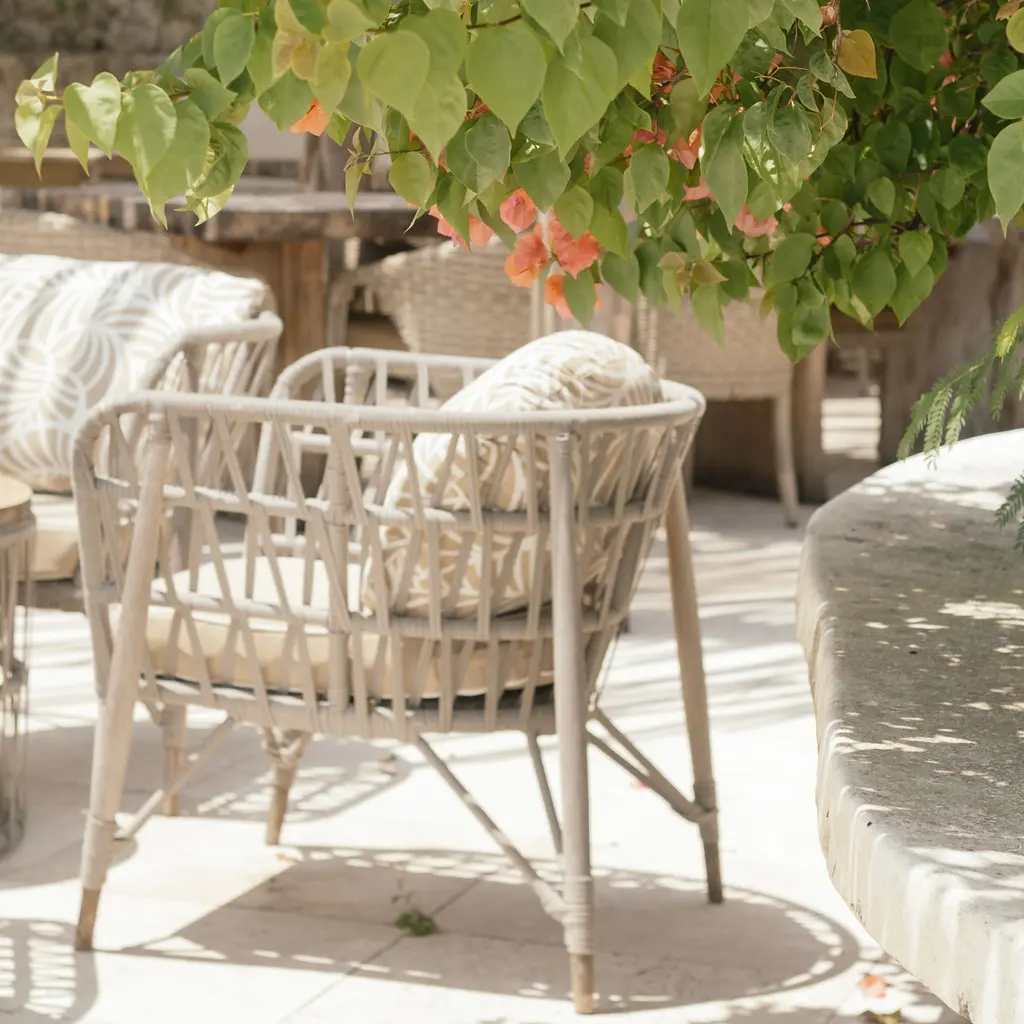
You manufacture outdoor furniture using metal forming, powder coating, and cushion sewing, with seasonal production peaks based on summer demand. A failure of a frame or umbrella could potentially cause injury, while weathering issues may trigger warranty claims.
The Southern Agency can review your seasonal value fluctuations and manufacturing risks to help select appropriate insurance. For example, we can help you understand why warranty-related weathering is treated differently than accidental damage in your policy structure.
Loungers, chairs, and umbrellas that tip or collapse, or frames that corrode and fail outdoors, can injure users and prompt product liability claims.
Assess the actual coating powders, cleaners, oven temperatures, and deposits, along with nearby foam, fabric, and welding. Not every powder-coating line uses the same solvents or has identical dust hazards.
A loss before peak shipping can interrupt a concentrated selling season. Seasonal income at risk should be estimated from records; the timing alone does not establish loss of the entire year or insurance payment.
Outdoor cushion fabrication uses foam and fabric that add combustible loading to the plant and warehouse.
Large seasonal shipments to retailers and consumers expose finished sets to handling, weather, and collision damage.
Metal cutting, welding, and forming plus cushion sewing expose staff to burns, lacerations, and strains.
Policies to ask about. Which ones fit depends on your operations, your contracts, and the carrier’s forms.
These hypothetical examples are not agency claim results. Whether a loss is covered depends on the facts, policy terms, and applicable exclusions.
A patio umbrella collapses in wind and injures a user. Product liability coverage may respond to the claim and defense costs, depending on policy terms and the facts of the incident. Separate the injury allegation and stated wind and use precautions from replacing the umbrella, honoring warranties, and withdrawing related units.
A curing oven fire damages the plant just before peak shipping. Property and business income coverage may help with repairs and lost seasonal revenue, subject to the specific policy, endorsements, and exclusions. Check the covered fire and the income coverage purchased, including seasonal values, and restoration limits. The timing alone does not establish the whole year’s revenue or retailer penalties.
A retailer shipment of sectionals is damaged when a trailer is in an accident. Coverage for goods in transit may respond to the loss, depending on policy terms. Check the insured owner, packing, carrier handoff, and valuation at the time of the accident; goods coverage and carrier or vehicle liability differ.
Start with the work you do and the questions your current policies leave unanswered. Carrier options depend on your location, risk, and underwriting. Explore our approach.
A frame, chair or umbrella can be alleged to fail and injure a user. Bring the stated uses, assembly and wind precautions, materials, and testing and compare them with the policy. Fading, finish corrosion, replacing your goods, and fulfilling a weather-resistance warranty are separate from liability for resulting harm.
Seasonal stock and sales records help estimate income at risk after covered damage. Check the trigger, waiting period, restoration period, and limits in the coverage purchased. Missing the spring selling window does not by itself establish payment for every seasonal sale, supplier delay, or retailer charge.
Describe the actual powders, cleaners, curing ovens, and deposits, along with adjacent foam, fabric and welding operations. Assess ignition and dust hazards for the materials used, rather than assuming all powder coating uses flammable solvents. Review covered fire causes and values separately from a faulty finish.
Read the buyer’s actual limits, additional-insured, indemnity, and return or withdrawal terms. Compare them with the issued policies and endorsements. A vendor request or certificate does not add coverage or guarantee a program that satisfies every condition.
Identify furniture ownership, packing, carrier, and retailer acceptance, including any staging or storage. Check the goods policy’s covered stages, causes, and peak limits. Damage to the sets, carrier liability, and the delivery vehicle’s insurance are different questions.
Identify the covered internal oven or welder failure and realistic repair and restart time. Review purchased stock and income extensions and waiting or restoration terms. Tool wear, an unacceptable coating and late seasonal orders do not alone establish breakdown or all lost-season benefits.
Bring your questions, current policies, and relevant contracts. An agent can review coverage terms, exclusions, and the information carriers ask for, then explain the options available to you.