

Design and load calculations
A calculation or design error can lead to structural allegations. Identify who performs and approves the services, rather than assume every fabricator designs.
Try a different word, or check the spelling.
The truss you deliver may involve your fabrication, someone else's load calculation and a separate crew doing the lift. Liability needs to identify each duty, with the components in transit considered separately from crane work or design correction.
The Southern Agency can help you consider design duties, timber fabrication and component deliveries together.
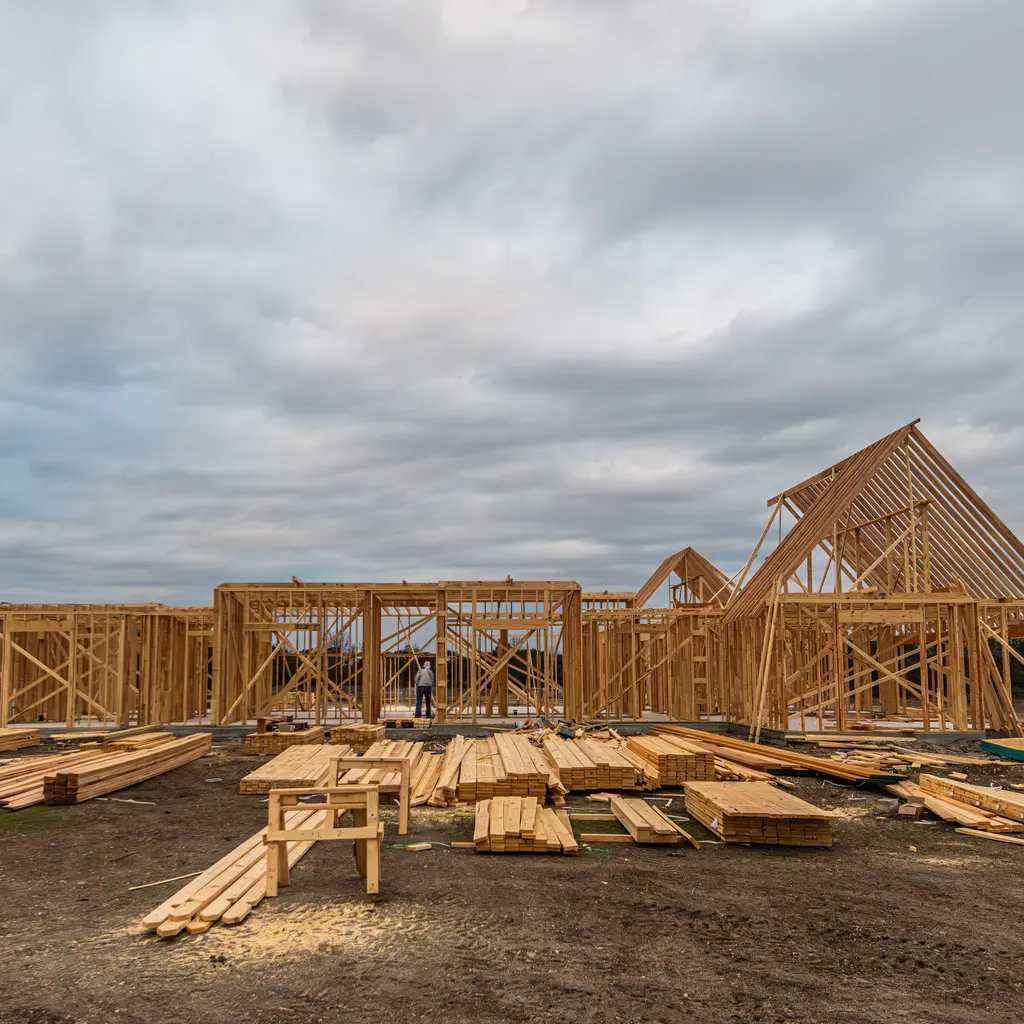
Your facility fabricates trusses and panels, often involving load calculations and design work. A defect in fabrication or engineering can lead to structural failure long after your product has left the plant.
The Southern Agency can review your design, fabrication and delivery responsibilities to help you choose insurance. We can discuss professional liability for accepted design work and product liability for resulting injury or damage, alongside property protection for the plant.
A calculation or design error can lead to structural allegations. Identify who performs and approves the services, rather than assume every fabricator designs.
Connector, lumber or assembly faults can cause injury or damage to a building. Replacing the components or correcting a load specification alone creates different costs.
Plate presses, automated saws and gang nailers expose assembly workers to cuts, crush and struck-by injuries.
Bundled trusses and panels can be damaged in loading, transport, off-loading, or craning. Describe who performs each step.
Sawing produces dust and combustible scrap that need qualified fire and dust assessment around production and collection areas.
Fire and weather can damage stock in buildings and yards. Report peak replacement values as lumber prices change; ordinary market losses are a different risk.
Delivery crews may also position or erect components. Describe the work and equipment used before assigning the liability to auto, GL or another arrangement.
Policies to ask about. Which ones fit depends on your operations, your contracts, and the carrier’s forms.
These hypothetical examples are not agency claim results. Whether a loss is covered depends on the facts, policy terms, and applicable exclusions.
A roof truss is alleged to have failed under load after installation. Identify design, fabrication, erection or later alteration allegations and any injury or damage to other property. Compare product and professional terms, including services and injury or property-damage exclusions, separately from your truss, shoring, removal, repair and undamaged delay.
A truck carrying wall panels overturns on the way to a jobsite, damaging the load and a third-party vehicle. Review auto liability for the other vehicle and direct component cargo terms for the panels, including ownership and valuation. Liability, vehicle damage and cargo are separate interests.
A worker is injured operating a gang nailer during panel assembly. Review the employer, worker status, jurisdiction and qualifying medical and wage benefits for the assembly duties.
Start with the work you do and the questions your current policies leave unanswered. Carrier options depend on your location, risk, and underwriting. Explore our approach.
Identify who performs load calculations, selects, or changes the design and approves fabrication. Building to supplied drawings does not itself establish a professional duty or eliminate every allegation. Review the contracts, services and exclusions before considering professional terms; a consultant policy may exclude the injury or property damage central to a structural claim.
Describe driving, loading, off-loading, crane operation, positioning, and any erection. Compare auto and GL restrictions with the work performed, and review the components separately under cargo or project-property terms. No single policy label establishes all handling stages or site injury cover.
Bring peak quantities and current replacement values for lumber, plates, and finished components. Check valuation and limits as those values change. Property insurance does not hedge lumber prices, reimburse ordinary market decline or guarantee the margin on a fixed-price order.
Identify the alleged design, fabrication, erection or later alteration fault and any injury or damage to other property. Product and professional terms may differ, including injury and professional-services exclusions. Your own truss, shoring, removal, repair, guarantees, and undamaged delay are separate costs; a failed load rating alone does not establish payment.
Value presses, jigs, saws, and nailers and review covered property causes. For any offered breakdown extension, identify covered internal damage and purchased stock or income terms. Wear, a poor setting, faulty assembly and missed delivery dates do not alone establish insured machine or income loss.
Describe the drivers’ employment status, jurisdiction and loading or site duties. Review state requirements, classifications, and qualifying medical and wage benefits. Auto liability for an accident and damage to the component load are different interests.
Bring your questions, current policies, and relevant contracts. An agent can review coverage terms, exclusions, and the information carriers ask for, then explain the options available to you.